Core Components of Modern Climate Control Systems
At the heart of every effective climate control system lies a sophisticated network of components working in concert to maintain desired environmental conditions. Whether we are discussing a home, a commercial office, or a highly specialized facility, the principles of system integration, operational efficiency, and hardware reliability are paramount. These systems are designed to be more than just simple on/off switches; they are intelligent orchestrators of comfort and efficiency.
How Sensors and Actuators Regulate Climate Control Systems
The “eyes and ears” of any climate control system are its sensors. These devices continuously monitor various environmental parameters, providing crucial data to the system’s brain. Common types include:
- Temperature Sensors: These are ubiquitous, measuring ambient air temperature to ensure it aligns with the user’s setpoint.
- Humidity Sensors: Essential for managing indoor air quality and comfort, these detect moisture levels, preventing issues like excessive dryness or condensation.
- Occupancy Sensors: Increasingly common in smart systems, these detect the presence of people, allowing the system to adjust settings for occupied or vacant spaces, thus conserving energy.
- Specialized Sensors: In agricultural settings, for instance, sensors might monitor CO2 levels, light intensity, or substrate moisture, as seen in advanced greenhouse automation.
Once sensors gather data, actuators are the “muscles” that translate control signals into physical actions. These include:
- Dampers: Motorized plates within ductwork that open or close to regulate airflow to specific zones or rooms.
- Valves: Used in hydronic systems (like underfloor heating or chilled water systems) to control the flow of heating or cooling fluids.
- Fans and Blowers: Adjust speed to increase or decrease air circulation.
- Compressors: Regulate the refrigeration cycle in air conditioning and heat pump systems.
The communication between sensors and actuators is often facilitated by signal transmission, which can be wired or, increasingly, wireless. For example, wireless radio communication is a feature in some underfloor heating systems, allowing thermostats to communicate with a central base unit up to 98 feet away, providing flexibility in placement. This constant feedback loop ensures that the system can make precise, real-time adjustments to maintain optimal conditions.
The Role of Central Controllers in System Automation
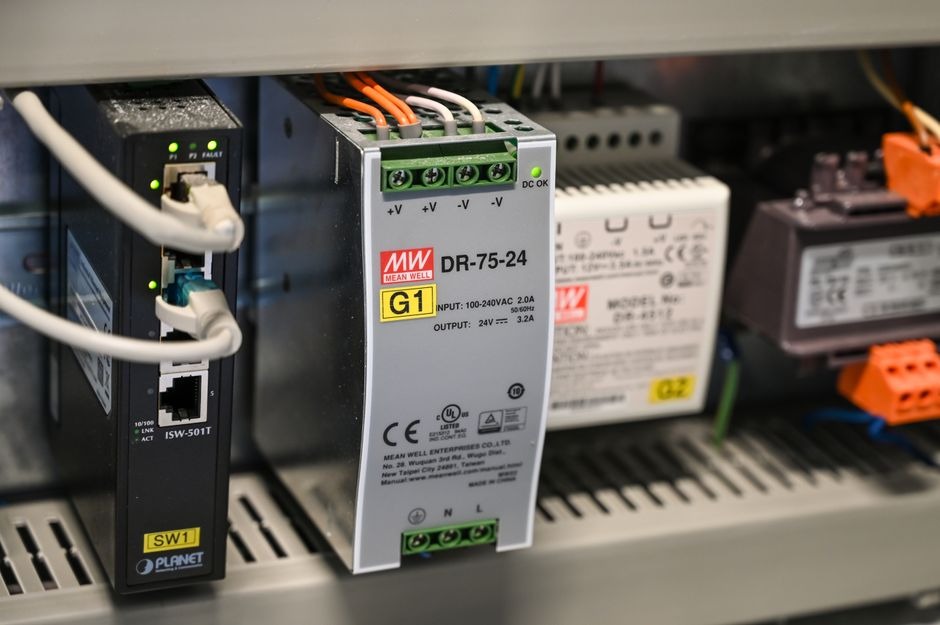
While sensors gather data and actuators perform physical tasks, the central controller is the “brain” of the climate control system. These sophisticated devices, often incorporating microprocessors, execute the system’s logic and manage its overall operation. Their functions include:
- Data Processing: Receiving and interpreting data from multiple sensors.
- Decision Making: Based on programmed algorithms and user settings, the controller decides what actions are needed (e.g., turn on heating, open a damper, adjust fan speed).
- Feedback Loops: Continuously monitoring the system’s response to adjustments and making further changes as necessary to maintain setpoints.
- User Interfaces: Providing a way for occupants or facility managers to interact with the system, set preferences, view data, and receive alerts. This can range from simple digital thermostats to advanced building management software with graphical displays.
Modern controllers are designed for automation, allowing for pre-programmed schedules, adaptive learning, and integration with other building systems. For example, systems like Siemens’ Climatix offer a complete HVAC control solution for manufacturers, integrating automation controllers, a cloud platform, and smart human-machine interfaces (HMIs) into one ecosystem. This level of integration allows for advanced features such as continuous monitoring, predictive maintenance, and optimized energy performance, ensuring that the system operates efficiently and effectively without constant manual intervention.
Residential and Commercial HVAC Applications
Climate control systems, primarily known as Heating, Ventilation, and Air Conditioning (HVAC) systems, are fundamental to comfort and productivity in both residential and commercial buildings. While the core function remains the same – regulating temperature, humidity, and air quality – the scale, complexity, and specific requirements differ significantly between these two sectors.
Feature / Requirement Residential HVAC Commercial HVAC Building Size Single-family homes, small multi-family units Large offices, retail spaces, hospitals, schools, data centers System Capacity Smaller, typically packaged or split systems Larger, often modular, centralized systems (e.g., chillers, cooling towers, large air handlers) Complexity Simpler, often single-zone or basic multi-zone Highly complex, multi-zone, integrated with Building Management Systems (BMS) Energy Efficiency Important for homeowner utility costs Critical for operational costs, regulatory compliance, and sustainability goals Indoor Air Quality Important for family health and comfort Crucial for occupant health, productivity, and meeting specific industry standards (e.g., hospitals) Maintenance Regular homeowner checks, professional tune-ups Scheduled professional maintenance, often with dedicated facility staff Customization Limited, focused on comfort and basic zoning Extensive, tailored to specific occupancy, equipment, and operational needs Noise Levels Low noise operation highly valued Important, but often balanced with performance and cost Energy Efficiency and Indoor Comfort in Buildings
The focus of HVAC systems extends beyond mere temperature regulation to encompass profound energy efficiency and superior indoor comfort. This dual objective is largely achieved through advancements in building automation and sophisticated HVAC technologies.
Building automation systems (BAS) integrate various building services, including HVAC, lighting, and security, allowing them to communicate and operate synergistically. This integration enables precise control and optimization, leading to significant energy savings. For example, a BAS can adjust HVAC settings based on real-time occupancy data, weather forecasts, or utility pricing signals.
Key technologies contributing to energy efficiency and comfort include:
- Energy Recovery Ventilators (ERVs): These systems recover energy from exhausted indoor air to pre-condition incoming fresh outdoor air, reducing the energy load on the main HVAC system while maintaining excellent indoor air quality.
- Variable Refrigerant Flow (VRF) Systems: VRF systems allow for precise temperature control in multiple zones simultaneously, delivering heating or cooling only where and when it’s needed. They are highly efficient, especially in buildings with diverse heating and cooling demands.
- Geothermal Heat Pumps: These systems harness the stable temperature of the earth to provide highly efficient heating and cooling, significantly reducing energy consumption compared to conventional systems. Products like the ClimateMaster Tranquility Digital Split systems, with their high EER and COP ratings, exemplify this efficiency, offering advanced controls and variable water flow technology for optimal performance.
Achieving and maintaining peak performance for these advanced systems often requires dedicated attention. For facilities and homeowners alike, investing in professional climate control maintenance is crucial. Regular inspections, cleaning, and calibration ensure that all components are working efficiently, preventing costly breakdowns and maximizing energy savings over the long term.
Smart Controls and Zoning in Residential Climate Control Systems
The residential climate control landscape has been revolutionized by smart controls and zoning capabilities. These innovations empower homeowners with unprecedented control over their indoor environment, leading to enhanced comfort and substantial energy savings.
- Smart Thermostats: These intelligent devices go beyond simple programming. Many learn homeowner preferences, adapt to daily routines, and can be controlled remotely via smartphone apps. Features like geofencing (adjusting temperature based on your proximity to home) and integration with smart home ecosystems (like Alexa) provide seamless, hands-off climate management. Systems like the Carrier Infinity System Control offer remote access, energy tracking, and smart home compatibility, allowing users to manage up to eight zones.
- Multi-Zone Dampers: Instead of heating or cooling an entire house to one temperature, zoning systems divide a home into different areas, each with its own thermostat and independent control. Motorized dampers in the ductwork direct conditioned air only to the zones that need it. This means you can keep bedrooms cooler at night while maintaining a comfortable temperature in living areas during the day, or even turn off conditioning to unoccupied guest rooms.
- Occupancy Sensors: Integrated into smart thermostats or standalone devices, these sensors detect when a room is occupied or vacant, automatically adjusting the temperature to save energy when no one is present. The Bosch Climate 5000 mini-split, for instance, features an “Intelligent Eye” that senses occupancy and reduces compressor speed when a room is empty.
- Customized Schedules: Smart systems allow for highly detailed scheduling, enabling homeowners to set different temperatures for various times of day and days of the week, aligning with their lifestyle and ensuring optimal comfort when needed and energy savings when not.
By implementing smart controls and zoning, homeowners can significantly reduce operating costs by avoiding conditioning unused spaces and optimizing energy usage based on real-time needs.
Specialized Environments: Agricultural and Marine Systems
Beyond residential and commercial buildings, climate control takes on highly specialized roles in environments with unique demands. Agricultural and marine settings present distinct challenges that require bespoke engineering solutions, focusing on precision, durability, and resilience.
Controlled Environment Agriculture and Greenhouse Automation
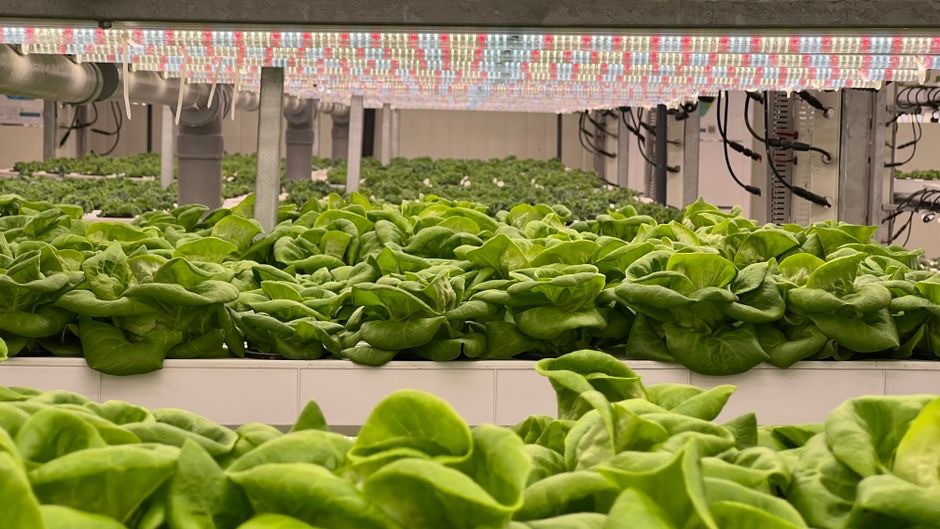
In Controlled Environment Agriculture (CEA) and greenhouses, climate control is not just about comfort; it’s about optimizing conditions for plant growth, maximizing yields, and conserving resources. These systems are far more intricate than standard HVAC, managing a complex interplay of environmental factors.
Key elements of CEA and greenhouse automation include:
- Vapor Pressure Deficit (VPD) Control: VPD is a critical metric for plant transpiration. Automation systems precisely manage temperature and humidity to maintain an ideal VPD range, promoting healthy growth and nutrient uptake.
- Carbon Dioxide (CO2) Enrichment: Plants utilize CO2 for photosynthesis. Automated systems inject and monitor CO2 levels to ensure optimal concentrations, significantly boosting growth rates.
- Fertigation Management: This involves precisely delivering water and nutrients (fertilizers) to plants. Advanced systems, like those offered by Climate Control Systems Inc., can manage multiple fertilizer injectors and irrigation circuits, often integrating with sensors for EC (electrical conductivity) and pH to ensure the root zone receives exactly what it needs. This can dramatically reduce water and fertilizer waste, and save growers significant time.
- Microclimate Management: Greenhouses are often divided into multiple growing compartments, each with independent climate control. Systems can manage temperature, humidity, light, and CO2 levels across these zones, adapting to specific crop requirements. This includes controlling pad & fans, dampers, vents, shading, lighting, heaters, fog, and misting systems.
- Water Sterilization: In recirculating hydroponic systems, water quality is paramount. Technologies like ozone sterilization, which is thousands of times faster and more powerful than chlorination, can destroy bacteria, viruses, and algae without chemicals, reverting to oxygen and increasing dissolved oxygen levels beneficial for roots.
These specialized systems are engineered for resilience and precision, helping growers achieve consistent, high-quality yields while managing energy and resource consumption effectively.
Marine Climate Control Systems and Harsh Environment Engineering
Marine environments present some of the most challenging conditions for climate control systems. Saltwater exposure, high humidity, constant motion, and compact spaces necessitate highly specialized designs and robust engineering.
- Corrosion Resistance: Components exposed to the marine environment must be constructed from corrosion-resistant materials (e.g., stainless steel, marine-grade aluminum, specialized coatings) to withstand the corrosive effects of saltwater and salt spray.
- Marine Condensers: Unlike land-based systems that use air-cooled condensers, marine HVAC often utilizes seawater-cooled condensers. These require specialized heat exchangers designed to handle raw seawater, which can be corrosive and contain biological fouling.
- Vibration Dampening: Marine vessels are subject to constant vibrations from engines and hull movement. Climate control equipment must be designed with robust mounting and vibration isolation to ensure reliable operation and prevent premature wear.
- Compact Space Constraints: Space is always at a premium on boats and ships. Marine climate control systems are often designed to be compact and modular, fitting into tight compartments while still delivering adequate capacity.
- Humidity Control: High ambient humidity is a constant challenge at sea. Marine systems are engineered to effectively dehumidify the air, preventing mold growth and enhancing comfort.
These unique requirements mean that off-the-shelf residential or commercial HVAC units are unsuitable for marine applications. Instead, specialized manufacturers develop systems specifically for the marine sector, ensuring durability, performance, and safety in demanding conditions. For those seeking comprehensive information on such specialized solutions, exploring resources dedicated to Marine climate control systems can provide valuable insights into the engineering and products available for maritime applications.
Key Factors for System Selection and Preventive Maintenance
Choosing the right climate control system and ensuring its longevity are critical decisions for any building owner or facility manager. These choices impact not only immediate comfort but also long-term operational costs, energy consumption, and environmental footprint.
Selecting the Right System for Your Facility
The selection process for a climate control system is complex and should be guided by several key factors:
- Load Calculations: Accurate heating and cooling load calculations are paramount. These account for building size, orientation, window area, insulation levels, occupancy, internal heat gains (from people and equipment), and local climate data. Oversized systems are inefficient and cycle too frequently, while undersized systems struggle to maintain comfort.
- Airflow Requirements: Different spaces have varying airflow needs for ventilation, comfort, and indoor air quality. Commercial spaces, especially, require careful consideration of air changes per hour (ACH) to meet health and safety standards.
- Physical Footprint and Installation Constraints: The available space for indoor and outdoor units, ductwork, and piping will influence system type (e.g., packaged, split, ductless mini-split). For instance, ductless systems are ideal for spaces without existing ductwork.
- Environmental Regulations and Refrigerant Choices: With growing environmental concerns, the global warming potential (GWP) of refrigerants is a significant consideration. Systems using low-GWP refrigerants like R-454B, as seen in some Bosch and ClimateMaster units, are becoming increasingly important to meet current and future regulations.
- Building Insulation and Envelope: The better insulated a building is, the smaller the heating and cooling load, potentially allowing for a smaller, more efficient system. Assessing the building’s envelope is a crucial first step.
- Budget and Lifecycle Costs: While initial purchase and installation costs are important, the long-term operating costs (energy consumption, maintenance, repairs) should be the primary financial consideration. Highly efficient systems, though sometimes more expensive upfront, often offer significant savings over their lifespan.
Engaging with experienced HVAC professionals is essential during the selection phase. They can perform detailed assessments, recommend appropriate technologies, and ensure compliance with local codes and energy standards.
Preventive Maintenance Practices for Long-Term Reliability
Once installed, a climate control system requires diligent preventive maintenance to ensure reliable, long-term operation, preserve efficiency, and extend its lifespan. Neglecting maintenance can lead to decreased performance, higher energy bills, frequent breakdowns, and premature equipment failure.
Key preventive maintenance practices include:
- Filter Replacement: Air filters are the first line of defense against dust, pollen, and other airborne contaminants. They should be checked monthly and replaced every 1-3 months, depending on usage and air quality. Clean filters ensure proper airflow and prevent strain on the system.
- Coil Cleaning: Evaporator and condenser coils can accumulate dirt and debris, reducing their ability to transfer heat efficiently. Professional cleaning, typically annually, restores heat exchange capacity and improves efficiency.
- Refrigerant Checks: Refrigerant levels should be checked by a qualified technician to ensure they are within the manufacturer’s specifications. Low refrigerant can indicate a leak and severely impair cooling performance.
- System Calibration: Thermostats, sensors, and controls should be calibrated periodically to ensure accurate readings and proper system response.
- Electrical Inspections: Technicians should inspect electrical connections, voltage, and current draws to identify any potential issues that could lead to component failure or safety hazards.
- Ductwork Inspection: Checking ductwork for leaks, blockages, or damage ensures that conditioned air reaches its intended destination efficiently.
- Drainage Clearing: Condensate drains can become clogged with algae or debris, leading to water leaks and potential damage. Regular cleaning prevents these issues.
- Professional Tune-ups: Scheduling annual or bi-annual professional tune-ups (e.g., for heating in the fall and cooling in the spring) is a cornerstone of preventive maintenance. These comprehensive checks identify potential problems early, allowing for proactive repairs before they escalate into costly emergencies. Many service providers offer maintenance plans that include priority service and discounted rates, making it easier to stay on top of necessary upkeep.
By adhering to a consistent preventive maintenance schedule, owners can safeguard their investment, enjoy consistent comfort, and optimize energy usage for years to come.
Frequently Asked Questions about Climate Control
What is the difference between single-zone and multi-zone climate control?
A single-zone climate control system treats an entire building or a large open space as one temperature zone. This means there is one thermostat that controls the heating and cooling for the entire area, and all rooms will be conditioned to roughly the same temperature. While simpler and often less expensive to install initially, this approach can be inefficient, as it conditions unoccupied areas or areas with different temperature preferences.
A multi-zone climate control system, conversely, divides a building into several distinct temperature zones, each with its own thermostat and independent control. This is achieved through zoning dampers within the ductwork that open and close to direct conditioned air only to specific zones. For systems like underfloor heating, multiple thermostats communicate with a central base unit, allowing localized temperature control in different rooms. The primary benefits of multi-zone systems include:
- Enhanced Comfort: Occupants can set personalized temperatures for different areas.
- Energy Conservation: Unoccupied zones can be set back or turned off, significantly reducing energy waste.
- Cost Savings: Lower energy consumption translates directly into reduced utility bills over time.
How do smart controls improve energy efficiency?
Smart controls significantly enhance energy efficiency by moving beyond traditional “set it and forget it” or simple programmable thermostats. They leverage advanced technology to optimize system operation:
- Occupancy Sensing: Many smart thermostats and systems (like the Bosch Intelligent Eye) can detect whether a space is occupied. They automatically adjust temperatures or even shut down conditioning when no one is present, preventing energy waste.
- Scheduling and Adaptive Algorithms: Smart controls allow for highly detailed scheduling that aligns with occupancy patterns. Furthermore, many systems use adaptive algorithms that “learn” user preferences and building characteristics, automatically adjusting start times to reach desired temperatures precisely when needed, rather than running longer than necessary.
- Remote Access and Monitoring: Homeowners and facility managers can monitor and adjust settings remotely via smartphone apps. This allows for immediate adjustments if plans change, avoiding unnecessary heating or cooling.
- Integration with Weather Data: Some smart systems integrate with local weather forecasts, pre-cooling or pre-heating a space during off-peak hours or in anticipation of extreme weather, further optimizing energy use.
- Peak Demand Reduction: Advanced smart controls, especially in commercial settings, can participate in demand response programs, subtly adjusting setpoints during periods of high electricity demand to reduce strain on the grid and save on peak-hour utility charges.
By providing more precise, responsive, and data-driven control, smart systems ensure that energy is used only when and where it is truly needed.
Why do marine climate control systems require specialized designs?
Marine climate control systems face a unique set of environmental and operational challenges that necessitate specialized designs, differentiating them significantly from land-based HVAC:
- Saltwater Exposure and Corrosion: The constant presence of saltwater, both in the air (salt spray) and as a cooling medium, is highly corrosive. Marine systems must use corrosion-resistant materials for all components, especially condensers and piping, to ensure longevity.
- High Humidity: Marine environments are inherently humid. Systems must be designed with robust dehumidification capabilities to prevent mold and mildew growth, protect onboard electronics, and maintain comfort.
- Compact Space Constraints: Space on boats and ships is extremely limited. Marine HVAC units are engineered to be compact, often modular, and custom-fitted to maximize available space without sacrificing performance.
- Vibration and Motion: Vessels are constantly subjected to vibrations from engines, generators, and wave action. Marine systems must be built with heavy-duty construction and effective vibration dampening mounts to prevent damage and ensure quiet operation.
- Power Supply: Marine electrical systems differ from shore-side power. Units must be compatible with the vessel’s specific DC or AC power supply, which can vary in voltage and frequency.
- Safety Regulations: Marine vessels operate under strict safety regulations, especially concerning fire prevention and refrigerant containment. Systems must comply with these specific maritime standards.
These factors mean that marine climate control systems are purpose-built for their harsh environment, prioritizing durability, efficiency, and safety under challenging conditions.
Conclusion
From the precise temperature regulation in our homes to the critical environmental control in advanced greenhouses and the robust engineering required for marine vessels, climate control systems are indispensable tools for managing our environments. We have explored the intricate components that form their backbone, the distinct applications in residential and commercial settings, and the specialized demands of agricultural and marine environments.
The evolution of these systems, driven by advancements in smart controls, automation, and energy-efficient technologies, continues to redefine what’s possible in comfort, productivity, and sustainability. As we look to the future, the ongoing optimization of climate control systems, coupled with technological integration and a commitment to reliable performance, will play an ever more crucial role in environmental stewardship and enhancing our quality of life.
Apart from that if you want to know about the article Tankless Water Heater Maintenance Guide: Prevent Scale Buildup and Extend System Life then please visit our Home Appliances Category.