We often take our doors for granted until the moment they refuse to cooperate. Whether it is a front door that requires shoulder lean just to latch or a bedroom door that announces its presence with a ghostly screech, these daily frustrations are more than just minor annoyances; they are the early warning signs of mechanical fatigue. A door is a system of moving parts working in a delicate balance, and when one component begins to fail, it places undue stress on the others. Understanding which parts of your door are likely to give out first can save you from a late-night lockout or an expensive emergency replacement. Most homeowners find themselves debating between a quick fix and a professional overhaul, but the secret lies in knowing exactly where the wear and tear starts.
The Heavy Lifters: Why Hinges Are Often the First to Fail
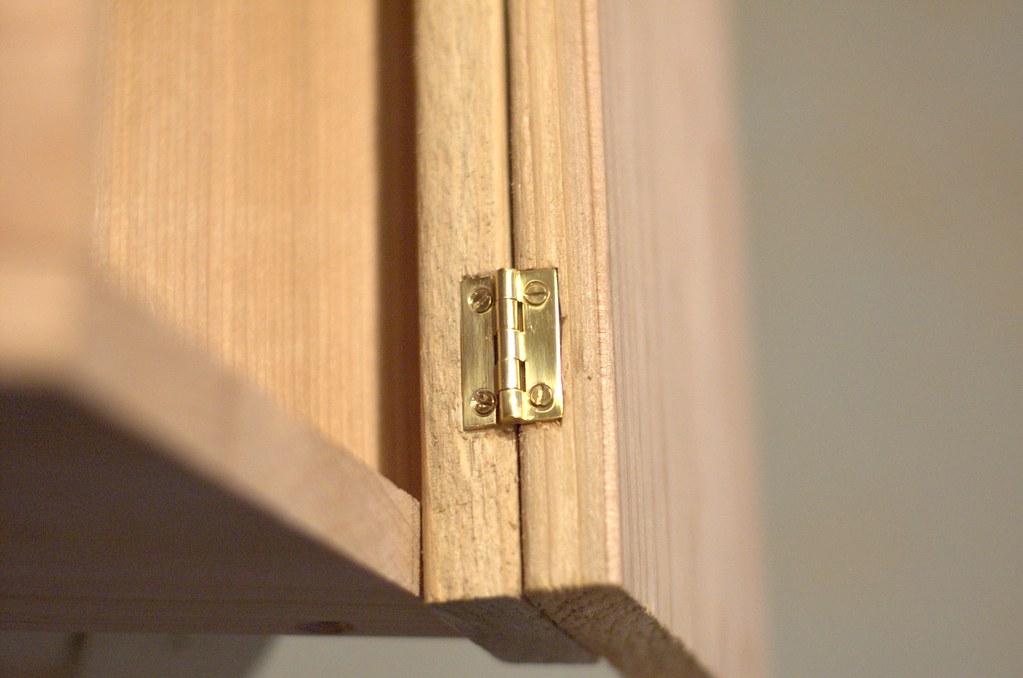
If you think about it, the hinges are the unsung heroes of your home. They carry the entire weight of the door leaf twenty-four hours a day, seven days a week. It is no surprise that they are frequently the first component to require attention. Over time, the constant friction of metal-on-metal wears down the knuckles of the hinge, leading to the dreaded “door sag.” When a door sags even a fraction of an inch, it no longer sits squarely in its frame. This misalignment causes the top corner of the door to rub against the jam, stripping away paint and making the door difficult to pull shut.
Beyond physical wear, the screws holding those hinges in place are fighting a constant battle against gravity. In many older homes, the screws used during original installation are barely an inch long, meaning they only grab into the thin decorative trim rather than the solid structural framing behind it. As the door is opened and closed, these screws slowly pull out, creating a wobble that affects the entire swing. If you notice your door sticking at the top or dragging across the floor, the hinges are almost certainly the culprit behind your door repairs and should be the first place you look for trouble.
The Foundation of the Entryway: Dealing with Frame Issues
The door frame is the silent partner in the operation, but when it starts to warp or root, everything else falls apart. Frames are particularly vulnerable in external entries where they are exposed to the elements. Moisture is the primary enemy here. If the caulking around the exterior trim fails, water can seep behind the wood, leading to hidden rot that softens the structure. A soft frame cannot hold a hinge screw securely, no matter how long that screw is. This creates a cascading failure where the door senses weakness and begins to shift out of alignment.
In many regions, seasonal changes also play a major role in frame health. Wood expands and contracts with humidity, which is why a door that fits perfectly in the dry winter might suddenly start sticking during a humid summer. This shifting can eventually lead to a permanent warp in the jamb. When the frame is no longer plumb and square, the latch will no longer line up with the strike plate. You might find yourself having to lift the handle or pull the door with extra force just to get it locked. At this point, the issue is no longer just cosmetics; it is a structural problem that requires a steady hand and a professional eye to shim and square back into position.
Security at the Forefront: When Locks and Latches Give Up
We rely on our locks for peace of mind, yet they are often neglected until they stop turning entirely. Modern locksets are complex mechanical devices with several small springs and pins that can wear out or become gummed up with old lubricants and dust. The most common sign of a failing lock is a “sticky” key or a thumb turn that feels gritty when you rotate it. Many people make the mistake of spraying heavy oils into the keyway, which attracts more dirt and makes the problem worse in the long run.
Often, what seems like a broken lock is a symptom of the hinge and frame issues mentioned earlier. If the door has sagged or the frame has shifted, the deadbolt will not align with the hole in the strike plate. This forces the user to jiggle the handle or push against the door to engage the lock. This constant force puts immense pressure on the internal components of the lock, eventually causing the metal to fatigue and snap. If you find that you are fighting with your key every night, it is a sign that the mechanical timing of your entryway is off and forcing it will only lead to a snapped key or a broken internal spindle.
The Threshold and Weatherstripping: The First Line of Defense
While not as glamorous as a high-security lock, the threshold and weatherstripping are critical for both functionality and energy efficiency. The threshold takes a beating from foot traffic and can eventually become loose or dented, causing the door to catch at the bottom. Meanwhile, weatherstripping is made of foam, rubber, or silicone, all of which eventually lose their elasticity. Once the weatherstripping becomes brittle or torn, it no longer creates a seal. This allows drafts to enter and, more importantly, lets moisture reach the wooden parts of the frame. Replacing these seals is one of the most effective ways to prevent the long-term rot that leads to more significant structural failures down the road.
The Importance of Professional Alignment and Calibration
It is tempting to think that a single long screw or a squirt of lubricant is all it takes to fix a troublesome door. However, because the hinges, frame, and locks are so interconnected, a DIY fix in one area can sometimes worsen a problem in another. For example, tightening a hinge too much without checking the frame’s squareness can cause the door to bind, putting even more stress on the wood. An expert approach involves looking at the door as a complete system. We look for the root cause of the friction, whether it is a settling foundation, worn-out hinge pins, or a strike plate that needs to be moved by a mere millimeter. Precision is the difference between a door that lasts for decades and one that needs constant tinkering every season.
Choosing Quality Over Quick Fixes for Your Home
When it comes to the safety and functionality of your home, the quality of the components and the precision of the installation matter immensely. Investing in heavy-duty hinges and high-grade locksets is always a smart move, but even the best hardware will fail if the frame is not properly supported. If you are noticing that your door requires a bit of “personality” just to close properly, it is time to address the underlying issues. Taking care of these repairs early prevents the damage from spreading from the hinges to the frame and eventually the locks. A well-maintained door should operate with a light touch and close with a satisfying, solid click, providing you with security and ease of use for years to come.