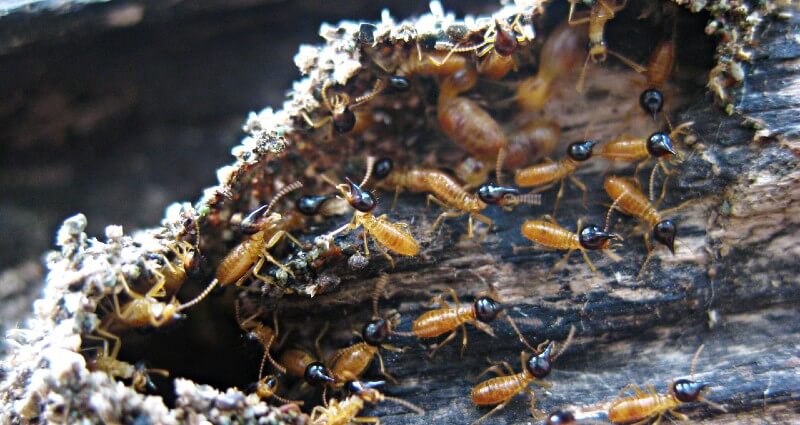
Spring is one of the most important times of year for termite control. As temperatures rise and moisture levels increase, termites become more active. Homeowners may start seeing swarmers, discarded wings, mud tubes, or soft wood that went unnoticed during winter.
Spring termite treatments are unique because they often happen during a period of high movement and growth. Termites are not always new to the home when they appear in spring. In many cases, they have been active behind walls, under floors, or around the foundation for months. Spring simply makes the signs easier to see.
Understanding what makes spring different can help you act sooner, choose the right treatment, and avoid mistakes that let the problem spread.
Why Spring Is Prime Termite Season
Termites need warmth, moisture, and food. Spring often gives them all three. Soil warms up, rain adds moisture, and wooden structures become easier targets when conditions around the home stay damp.
This is also the season when termite colonies may release swarmers. Swarmers are winged termites that leave a mature colony to start new ones. Homeowners often find them near windows, sliding doors, light fixtures, or other bright areas.
Seeing swarmers does not always mean the colony started that day. It may mean a colony nearby has reached a stage where it can reproduce. That is why a spring inspection looks beyond the insects you see. A company such as Elite1 Termite Control, Inc. may use spring activity as a clue to trace where termites are entering, nesting, or feeding.
Spring is also when homeowners spend more time outdoors. Yard work, repairs, and spring cleaning can uncover hidden warning signs. A mud tube behind stored items or wood damage near a patio door can suddenly become obvious.
Spring Treatments Often Start With Swarm Clues
One reason spring termite treatments are different is that swarm activity can guide the inspection. Swarmers help show where termites may be active, but they do not always point directly to the main colony. They are a sign, not the whole answer.
If you see winged insects inside the home, collect a few in a bag or take clear photos. Do not spray everything first and clean it all away. The inspector can use those details to identify whether the insects are termites, ants, or another pest.
Discarded wings matter too. Termite wings are often equal in size and may appear in small piles near windowsills or floors. Ant wings usually look different, and ants have a narrow waist. A proper identification prevents wasted time and the wrong treatment.
Spring treatment plans often begin by asking where swarmers appeared, when they appeared, and whether they appeared after rain or warm weather. These details can help connect the visible activity to hidden conditions.
Moisture Makes Spring Termite Problems Worse
Spring rain can turn a small termite risk into a larger one. Wet soil, poor drainage, clogged gutters, and leaking exterior fixtures all create conditions termites like. Subterranean termites, in particular, need moisture to travel and survive.
This is why spring termite treatments often include moisture checks. Treating termites without fixing water problems is like locking the front door while leaving the back door wide open. The treatment may help, but the home remains attractive to termites.
Common spring moisture problems include:
- Downspouts draining too close to the foundation
- Mulch holding water against siding
- Sprinklers hitting exterior walls
- Damp crawl spaces
- Leaking hose bibs
- Poor grading around the home
- Clogged gutters after winter debris buildup
A good spring plan looks at these problems before treatment begins. If water keeps collecting near the structure, termite pressure can stay high even after treatment.
Soil Conditions Affect Treatment Timing
Many termite treatments depend on soil conditions. Spring soil can be damp, soft, compacted, or uneven after winter weather. This can affect how treatment is applied around the home.
For subterranean termites, soil treatments may create a treated zone around parts of the structure. The condition of the soil matters because the product must reach the right areas. Heavy water runoff, poor drainage, or compacted soil can affect the way treatment is placed.
Bait systems also depend on termite activity in the soil. In spring, termites may be more likely to forage near the surface as temperatures rise. That can make monitoring stations more useful, but the plan still needs patience and follow-up.
The key point is simple. Spring gives technicians more activity to read, but it also brings changing ground conditions. A careful plan accounts for both.
Spring Treatments Must Separate Active Infestation From Old Damage
Many homeowners discover termite damage during spring cleaning or home repairs. They may find soft trim, hollow wood, blistered paint, or damaged flooring. The hard part is knowing whether the damage is active or old.
Old termite damage does not always mean termites are still present. Active termites may leave fresh mud tubes, live insects, moist galleries, or new feeding signs. An inspector needs to look for current activity before recommending treatment.
This distinction matters because the next step can change. Active termites need control. Old damage may need repair and monitoring. If both are present, treatment should come before major wood replacement in most cases.
Repairing damaged wood too early can hide evidence. It can also give termites fresh material if the colony has not been controlled. A spring inspection helps set the right order.
Treatment Options May Look Different in Spring
Spring termite treatment is not one single method. The best choice depends on the termite species, home design, activity level, soil, moisture, and access points. A treatment that works well for one property may not fit another.
Liquid Soil Treatments
Liquid soil treatments are often used for subterranean termites. They target areas where termites travel between the soil and the structure. This may include foundation edges, expansion joints, crawl spaces, porches, patios, and plumbing entries.
In spring, these treatments may be planned around rain and drainage. If water is pooling near the foundation, the moisture problem may need attention first. The goal is not only to apply treatment, but to place it where termites are likely to move. It is worth reading Keep Your Home Termite-Free with These Proven Tips alongside this.
Bait Systems
Bait systems use stations placed around the home. Termites find the bait, feed on it, and share it through the colony. This method can be useful when homeowners want a less invasive option or when drilling is not ideal.
Spring activity can help with bait placement and monitoring. Since termites are often more active, stations may provide useful information about foraging patterns. Still, bait systems need time and consistent follow-up.
Localized Treatments
Localized treatments target specific areas where termites are active. These may include wall voids, wood members, trim, or other accessible spots. They can be useful when the activity is limited and well-defined.
The risk is assuming the visible area is the only area. Spring inspections should check whether the activity is isolated or part of a wider problem. Local treatment works best when the inspection supports it.
Spring Yard Work Can Increase or Reduce Termite Risk
Spring landscaping can either help protect your home or invite termites closer. Mulch, firewood, wood edging, dense plants, and irrigation all affect termite risk. Many homeowners create problems without meaning to.
Mulch is a common example. A thin layer can help with landscaping, but thick mulch against the foundation holds moisture and hides termite tubes. Wood mulch piled against siding creates even more risk.
Firewood is another issue. Stacking wood beside the house gives termites a food source close to the structure. Keep firewood off the ground and away from exterior walls.
Spring is a good time to walk around your home and look for risk conditions. Clear soil away from siding. Trim shrubs so walls can dry. Move wood scraps, cardboard, and old stumps away from the foundation.
Why DIY Spring Treatments Often Fall Short
When termites appear in spring, many homeowners rush to buy sprays or foams. The reaction is understandable. Seeing winged termites inside your home is not exactly a charming seasonal tradition.
The problem is that visible termites are often only part of the issue. Sprays may kill the insects you see, but they may not reach the colony. Termites can continue feeding behind walls, under slabs, or inside hidden wood.
DIY treatments can also make inspections harder. If you break mud tubes, spray chemicals, or remove damaged wood before an inspection, you may erase clues. The inspector then has less evidence to work with.
The better move is to document the signs. Take photos, note the date, and leave the area as undisturbed as possible. That gives the inspection a cleaner starting point.
What Homeowners Should Do Before Spring Treatment
Preparation helps the treatment go smoothly. You do not need to empty the whole house. You only need to make key areas accessible.
Clear items away from garage walls, basement walls, crawl space openings, attic access points, and utility areas. Unlock gates and move objects blocking the foundation. If you have pets, secure them before the appointment.
It also helps to write down what you noticed. Include where you saw insects, when they appeared, and whether it happened after rain or warm weather. Small details can point to larger patterns.
If you have past termite treatment records, repair invoices, or home inspection reports, keep them ready. Older records can help explain whether damage is new, recurring, or already treated.
Questions to Ask About Spring Termite Treatment
A good treatment plan should be clear. You should understand what was found, what method is recommended, and what happens next. If the explanation feels vague, ask for more detail.
Useful questions include:
- Are the termites active now?
- What type of termite is involved?
- Where are they likely entering?
- Is the damage old, active, or both?
- What treatment method do you recommend?
- Why does this method fit my home?
- Will rain affect the treatment schedule?
- What moisture issues should I fix?
- How will follow-up visits work?
- What does the warranty cover?
These questions help you avoid guesswork. They also make it easier to compare your options without falling for fear-based advice.
Common Mistakes During Spring Termite Season
The first mistake is waiting too long. Spring swarmers may disappear after a short time, but that does not mean the colony is gone. Swarming is a warning sign, not the full event.
The second mistake is assuming all flying insects are termites. Ants also swarm in spring. Identification matters because treatment methods are different.
The third mistake is treating only the visible area. Termites often move through hidden paths. A baseboard problem may start from soil contact, a foundation gap, or moisture behind a wall.
The fourth mistake is ignoring prevention after treatment. If mulch stays piled high, gutters stay clogged, and wood stays against the home, risk remains. Treatment works best when the property becomes less attractive to termites.
Final Thoughts: Spring Is the Time to Act, Not Guess
Spring termite treatments are unique because they happen when termite activity becomes easier to see. Warmer soil, higher moisture, and swarming behavior can reveal problems that stayed hidden through colder months. That makes spring one of the best times to inspect, treat, and prevent future damage.
Do not panic if you see swarmers, wings, mud tubes, or soft wood. Do not ignore them either. Document the signs, make key areas accessible, and get a detailed inspection before choosing a treatment.
The smartest spring plan does three things. It controls active termites, fixes the conditions that attract them, and sets up monitoring for the months ahead. Start with a careful inspection now, while the signs are fresh and the path to the colony is easier to trace.