First Steps When Your Air Conditioner Fails
When your air conditioner suddenly stops working, especially during the peak heat in Chandler, the immediate discomfort can quickly turn into concern. Before calling for professional help, there are several initial steps we can take to troubleshoot the issue. Often, a minor problem can be resolved with a few simple checks, saving us time and restoring comfort sooner.
Check Your Thermostat and Power Supply
Our first point of investigation should always be the thermostat. We need to ensure it’s set to “Cool” mode and that the desired temperature is significantly lower than the current room temperature. Sometimes, the fan setting might be on “On” instead of “Auto,” which can cause the fan to run continuously without cooling, or even lead to a frozen evaporator coil if other issues are present. We should also check if the thermostat batteries need replacing; a dead battery can render the entire system unresponsive.
If the thermostat settings appear correct, the next step is to inspect the power supply. The outdoor condenser unit and the indoor air handler (furnace) each have dedicated circuit breakers in our home’s electrical panel. We should locate the main electrical panel and check for any tripped breakers labeled “AC,” “Furnace,” or “HVAC.” A tripped breaker will be in an “off” or middle position. To reset it, we need to firmly push it to the “off” position first, then back to “on.” If the breaker trips again immediately, it indicates a more serious electrical problem that requires professional attention.
Inspect Filters and Vents for Blockages
Restricted airflow is a common culprit behind AC malfunctions and reduced efficiency. We should regularly inspect our air filters. A dirty, clogged air filter can severely impede airflow, forcing the AC system to work harder, leading to higher energy bills, reduced cooling capacity, and even system breakdowns like a frozen evaporator coil. We recommend changing disposable filters every 1-3 months, or more frequently if we have pets, allergies, or live in a dusty environment like Chandler.
Beyond the filter, we should also check all supply and return vents throughout our home. Furniture, curtains, or even children’s toys can inadvertently block vents, restricting the flow of conditioned air. We should ensure all vents are open and unobstructed. This simple check can significantly improve airflow and the system’s ability to cool our home efficiently. Over time, dust and debris can accumulate not just on filters but within the air ducts themselves, further hindering airflow and spreading contaminants. Maintaining clean ducts is vital for optimal system performance and indoor air quality.
Critical Signs You Need Emergency AC Repair
While some AC issues can be resolved with basic troubleshooting, others signal a more serious problem that demands immediate professional intervention. Recognizing these critical signs can prevent further damage to our system and ensure our home’s safety and comfort.
When to Call for Emergency AC Repair: Alarming Noises and Smells
Our HVAC system typically operates with a consistent, low hum. Any sudden or unusual noises emanating from the unit should be a cause for concern. Grinding sounds often indicate a problem with the motor bearings, while squealing noises might point to a worn-out fan belt. Loud banging or clanking could suggest loose or broken internal components, potentially including issues with the compressor, which is the heart of the AC system. Ignoring these sounds can lead to catastrophic system failure.
Similarly, strange odors are a clear warning sign. A burning smell, especially one resembling burning plastic or electrical wiring, demands immediate attention. This could indicate an overheating motor or electrical short, posing a fire hazard. We should turn off the AC system immediately at the thermostat and the circuit breaker. Musty or moldy odors wafting from our vents often signal moisture buildup and mold growth within the air ducts or the evaporator coil. In Chandler’s climate, where dust and allergens are prevalent, these odors can quickly spread throughout the home, impacting indoor air quality and potentially exacerbating respiratory issues. Addressing these smells promptly often involves professional inspection and, in cases of mold, potentially air duct cleaning to ensure a healthy living environment.
Common Reasons for Emergency AC Repair: Leaks and Airflow Issues
Visible leaks near our indoor or outdoor AC unit are another urgent sign. Water pooling around the indoor unit can indicate a clogged condensate drain line, which prevents the system from properly draining condensation. If left unaddressed, this can lead to water damage, mold growth, and even cause the system to shut down.
More critically, hissing or bubbling sounds, accompanied by a noticeable decrease in cooling performance, might point to a refrigerant leak. Refrigerant is essential for the cooling process, and a leak not only reduces efficiency but can also be harmful to the environment and our health. Low refrigerant levels can cause the evaporator coil to freeze over, leading to warm air blowing from the vents and further strain on the system. If we detect warm air instead of cool air, or experience significantly weak airflow from our vents despite the fan running, it’s a strong indicator of a serious problem. This could be due to a frozen coil, a failing blower motor, or significant blockages within the ductwork. When you encounter these critical issues, it’s often time to seek same-day emergency AC repair from trusted professionals who can accurately diagnose and resolve the problem.
Preparing for the HVAC Technician’s Arrival
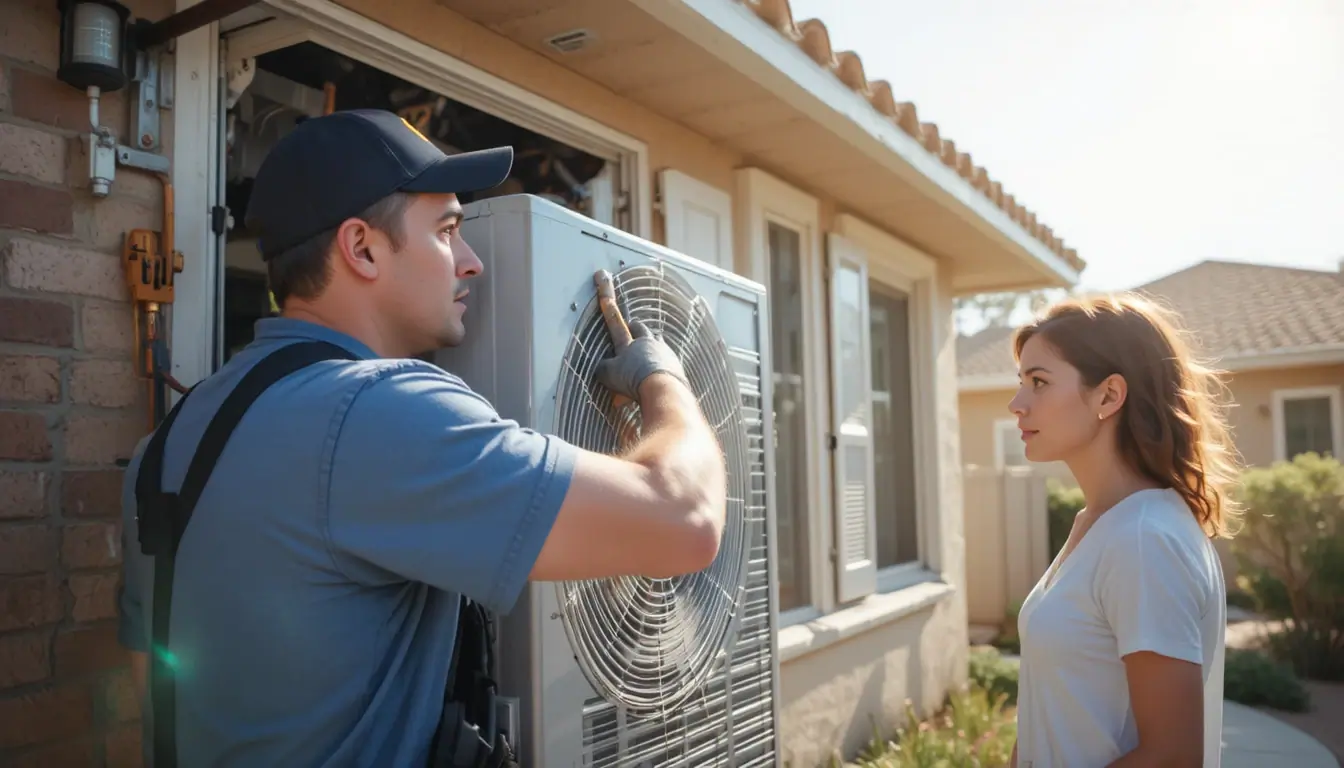
When an AC emergency strikes, getting a technician to our home quickly is paramount. However, our preparation before their arrival can significantly streamline the repair process, allowing them to diagnose and fix the issue more efficiently.
Gathering Key Information for Your Technician
Providing our HVAC technician with relevant information upfront can save valuable diagnostic time. We should have the make, model, and approximate age of our AC unit readily available. This information is usually found on a label on the outdoor condenser unit and sometimes on the indoor air handler. Knowing our system’s maintenance history—when it was last serviced, what work was performed, and by whom—can also be incredibly helpful.
Most importantly, we should prepare a detailed description of the problem. This includes:
- What happened? (e.g., “The AC stopped blowing cold air,” “It started making a loud banging noise.”)
- When did it start? (e.g., “Suddenly this morning,” “Gradually over the past week.”)
- What are the symptoms? (e.g., “Thermostat isn’t turning on,” “Outdoor unit isn’t running,” “Water leaking.”)
- What troubleshooting steps have we already taken? (e.g., “Checked the thermostat batteries,” “Reset the circuit breaker,” “Changed the air filter.”)
The more specific we can be, the better equipped the technician will be to pinpoint the issue quickly.
Ensuring a Safe and Efficient Service Visit
Once the technician is on their way, we can take a few steps to ensure a smooth and safe service visit. We should clear a path to both the indoor air handler (often in a utility closet, attic, or garage) and the outdoor condenser unit. Removing any furniture, boxes, or debris that might obstruct access will allow the technician to move freely and safely with their tools and equipment.
If the service call is at night or in a dimly lit area, providing adequate lighting (e.g., turning on overhead lights, having a flashlight handy) can greatly assist the technician. If we have pets, it’s advisable to secure them in a separate room or outdoors to prevent them from interfering with the technician’s work or becoming stressed. Finally, it can be helpful to have a list of any questions we might have about the system, its operation, or future maintenance. This ensures we get all the information we need directly from the expert.
Read More: Essential Home Maintenance: Expert Advice for HVAC, Garages, and Floors
How to Prevent Future AC Breakdowns
While emergency repairs are sometimes unavoidable, many AC breakdowns can be prevented through proactive maintenance and a few simple DIY tasks. Investing in the longevity and efficiency of our HVAC system not only saves money in the long run but also ensures consistent comfort and better indoor air quality for our Chandler home.
The Importance of Regular Professional Maintenance
Regular professional maintenance is the cornerstone of a healthy and efficient HVAC system. We recommend scheduling annual inspections, ideally in the spring before the intense summer heat arrives. During these tune-ups, a certified technician will perform a comprehensive check of our system, which typically includes:
- Cleaning the evaporator and condenser coils: Dirty coils reduce the system’s ability to absorb and release heat, decreasing efficiency and increasing energy consumption.
- Checking refrigerant levels: Ensuring the system has the correct amount of refrigerant is crucial for optimal cooling performance.
- Inspecting electrical components: Technicians will check wiring, connections, and capacitors for wear or damage that could lead to electrical failures.
- Lubricating moving parts: Proper lubrication reduces friction and wear on motors and fans.
- Testing thermostat calibration: Ensuring the thermostat is accurately reading and controlling temperatures.
- Inspecting ductwork: While not a full cleaning, technicians can often spot obvious issues like leaks or disconnections.
This proactive approach helps identify minor issues before they escalate into costly breakdowns, extends the lifespan of our unit, and significantly improves our system’s energy efficiency. Furthermore, a well-maintained system, including clean coils and efficient airflow, contributes directly to better indoor air quality by reducing the circulation of dust and allergens. This is particularly important in a dusty environment like Chandler, where airborne particles can quickly accumulate in our HVAC system and air ducts.
Simple DIY Tasks for a Healthy AC System
Beyond professional tune-ups, there are several easy tasks we can perform ourselves to keep our AC system running smoothly:
- Regular Filter Changes: As mentioned earlier, changing our air filter regularly (every 1-3 months) is perhaps the most impactful DIY task. A clean filter ensures optimal airflow, protects our indoor unit from dust buildup, and improves indoor air quality.
- Cleaning the Outdoor Condenser Unit: Periodically, we should clear away any leaves, grass clippings, dirt, or other debris that accumulates around the outdoor condenser unit. We can gently hose down the coils to remove dust and grime, but we must ensure the power is turned off at the breaker first. This helps the unit dissipate heat more effectively.
- Keeping the Condensate Drain Line Clear: The condensate drain line can become clogged with algae and mold, leading to water backups. We can prevent this by flushing a cup of distilled vinegar or a mild bleach solution down the access point of the drain line every few months.
- Ensuring Vents are Unobstructed: We should routinely check that no furniture, rugs, or other items are blocking our indoor supply and return vents. Unobstructed vents allow for proper air circulation throughout our home.
By combining these simple DIY efforts with professional maintenance, we can significantly reduce the likelihood of unexpected AC breakdowns and ensure our system operates at peak performance, contributing to a comfortable and healthy home environment.
Conclusion
Navigating an AC breakdown, especially in Chandler’s intense climate, can be a stressful experience. However, by understanding the first steps to take, recognizing critical signs that demand professional attention, and preparing for a technician’s visit, we can approach these situations with greater confidence. Our guide emphasizes the importance of basic troubleshooting, such as checking thermostat settings and power supply, and inspecting air filters and vents for blockages. We’ve also highlighted alarming noises and smells, as well as leaks and airflow issues, as key indicators that it’s time to call in the experts.
The best defense against AC emergencies is a strong offense: proactive maintenance. Regular professional tune-ups, combined with simple DIY tasks like changing air filters and keeping outdoor units clean, are crucial for preventing costly repairs, extending the lifespan of our system, and maintaining optimal energy efficiency. A well-maintained HVAC system, including clean and efficient air ducts, is essential for ensuring year-round comfort and superior indoor air quality in our Chandler homes. By taking a comprehensive approach to our HVAC health, we can breathe easier and enjoy a consistently comfortable living environment.
Apart from that, if you want to know more about Boost Your Curb Appeal: Tips for Exterior Painting, Roofing, and Window Treatments then visit our Home Appliances category.
For more tips on managing household emergencies, check out 6 Methods for Reducing Moving Expenses with Removalists
For those seeking inspiration on transforming their living spaces, we also offer Attic Master Bedroom Ideas