A chimney liner plays a critical role in protecting your home whenever a fireplace, wood stove, or heating appliance is operating. Although it is hidden inside the chimney structure, it handles some of the most demanding conditions in the home, including extreme heat, smoke, combustion gases, and moisture exposure.
Because the liner is not visible during normal fireplace use, damage can go unnoticed for a long time. Many homeowners assume that if smoke leaves the chimney and the fireplace looks fine, everything is working properly. Unfortunately, chimney problems are not always that obvious.
Understanding the warning signs of a damaged chimney liner can help homeowners address issues before they lead to larger repairs, reduced efficiency, or potential safety concerns.
Why Chimney Liners Matter Fireplace Safety
The chimney liner creates a protected pathway that helps direct combustion gases safely out of the home. It also protects the surrounding masonry from intense heat and corrosive byproducts produced during burning.
Without a properly functioning liner, heat and gases can affect the interior chimney structure. Cracks, gaps, or deterioration may allow smoke, moisture, or combustion byproducts to move into areas where they should not be.
Different chimney systems may use clay tile, metal, or cast-in-place liners. Each material has different characteristics, but all liners can deteriorate over time due to age, excessive heat, improper burning practices, moisture intrusion, or previous chimney damage.
A chimney may look solid from the outside while hidden damage is developing internally, which is why regular evaluation is important.
Visible Cracks and Damage Around the Chimney Structure
One of the first signs of potential liner problems can appear outside the chimney itself. Cracked masonry, loose bricks, water staining, or deteriorating mortar joints may indicate that moisture is affecting the chimney system.
Water is one of the biggest threats to chimney components. When moisture enters through damaged crowns, flashing, or masonry joints, it can accelerate deterioration inside the chimney, including damage to the liner.
Homeowners may also notice pieces of clay tile, dust, or debris falling into the fireplace. These materials should not be ignored. Small fragments inside the firebox may indicate that sections of the liner are breaking down above.
A chimney professional can determine whether the visible issue is limited to exterior components or connected to deeper liner damage.
Smoke, Odors, and Draft Problems Inside the Home
A properly functioning chimney should remove smoke and combustion gases efficiently. When the liner is damaged, airflow through the chimney may be affected.
Some homeowners notice smoke entering the room when using the fireplace, difficulty starting fires, or unusual odors even when the fireplace is not in use. These issues may result from poor draft caused by changes inside the chimney system.
A damaged liner can also contribute to the buildup of creosote and soot in areas where airflow is restricted. The chimney may not be venting as effectively as it should, causing combustion byproducts to remain longer inside the flue.
If a fireplace suddenly behaves differently than it has in previous years, it is worth having the system inspected rather than assuming the issue is caused by the wood, weather, or normal fireplace behavior.
Excessive Creosote Buildup and Poor Burning Performance
Creosote naturally forms when wood smoke condenses inside the chimney. While some buildup is expected, excessive accumulation can point to ventilation problems, burning habits, or chimney system issues.
A damaged liner can affect how heat moves through the chimney. When temperatures are not properly maintained, smoke may cool too quickly and create heavier deposits.
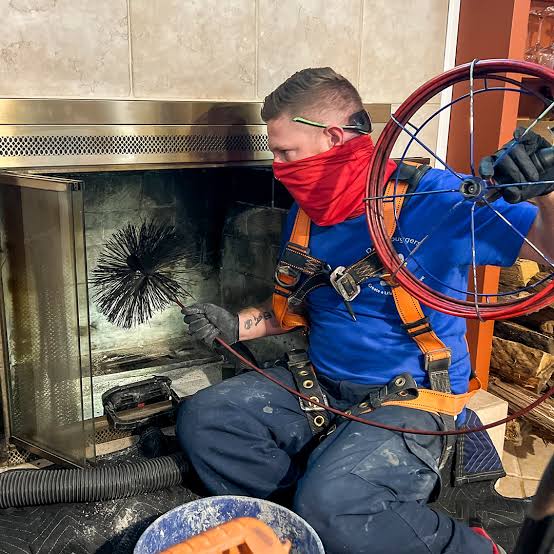
Homeowners who notice frequent soot buildup, strong smoky smells, or difficulty maintaining a consistent fire should consider having the chimney evaluated. A professional technician can inspect the liner condition and determine whether cleaning alone is enough or if repairs are needed.
Regular chimney sweep and inspection services help identify hidden issues before they become major concerns.
Age, Previous Repairs, and Hidden Chimney Wear
Many chimney liner problems are related to age. Clay tile liners, for example, can crack after years of exposure to heating and cooling cycles. Metal liners may also develop corrosion depending on the fuel type, moisture levels, and maintenance history.
Previous chimney fires, improper installations, or structural movement can also damage liners. Even if the chimney continues to function afterward, internal cracks may remain and worsen with continued use.
A visual inspection from the fireplace opening is often not enough to identify liner problems. Specialized inspection equipment may be required to see areas that are difficult or impossible to access.
This is especially important for older homes or properties where the chimney history is unknown.
Why Professional Chimney Inspections Are Important
Chimney liners are designed to provide protection, but they cannot perform their job if they are damaged or deteriorated. Regular inspections allow technicians to evaluate the condition of the flue, liner, masonry, and related components.
A professional inspection can identify cracks, gaps, excessive buildup, moisture damage, and other concerns that are not visible during everyday fireplace use.
Homeowners should consider scheduling an inspection before the heating season begins, after major chimney repairs, or whenever changes in fireplace performance appear. Early detection often means simpler solutions and fewer unexpected costs.
Protect Your Chimney Before Small Issues Become Major Repairs
A damaged chimney liner is not always easy to recognize, but the warning signs often appear through changes in fireplace performance, unusual odors, visible debris, moisture damage, or reduced draft.
Because the liner protects both the chimney structure and the home environment, it should be treated as an essential part of fireplace maintenance. Regular cleaning and inspection help ensure the system continues operating as intended.
If you notice signs of chimney problems or your fireplace has not been inspected recently, schedule a professional evaluation. A qualified technician can assess the condition of your chimney liner and recommend the right service to keep your home safe, efficient, and ready for the next fire.