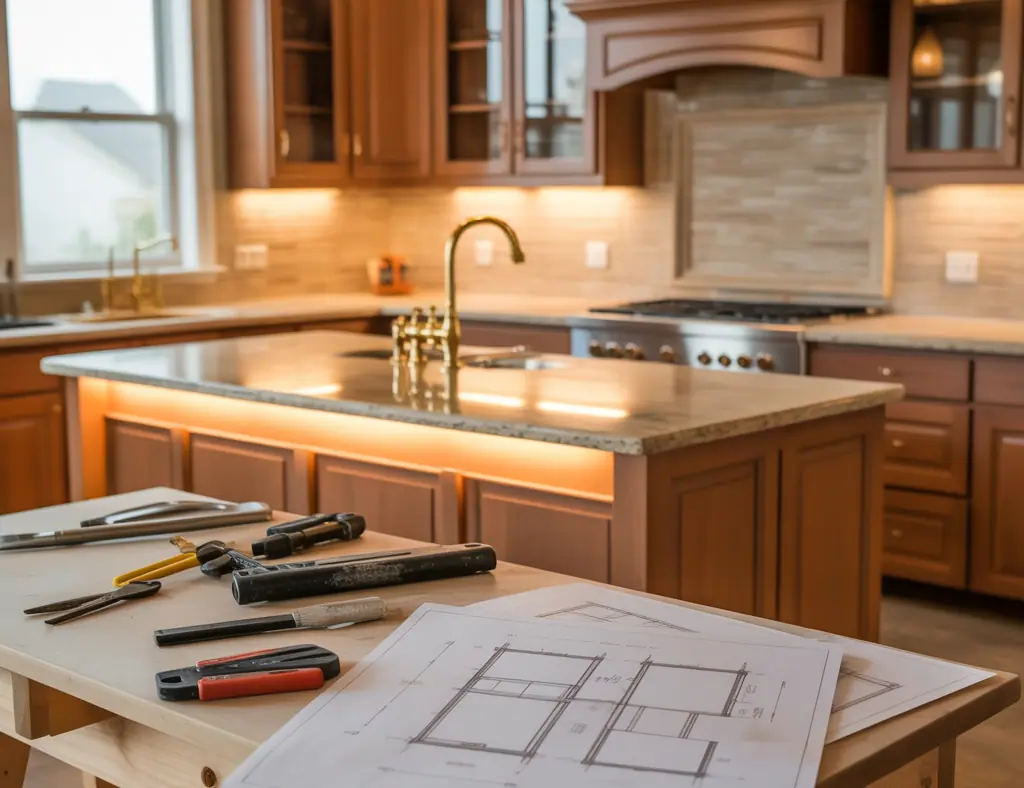
Have you ever stood in your kitchen at 7 a.m., coffee in hand, and felt like the room doesn’t welcome you? Maybe bright white walls feel cold, or bold color choices now look dated. A Warm Neutral Kitchen can transform that frustration into a calm, inviting space without a full renovation. Whether you’re tackling weekend DIY projects or planning a budget-friendly kitchen upgrade, the right warm neutrals—creamy beiges, soft taupes, warm grays, and natural wood tones—can make your kitchen feel both modern and cozy.
Why Choose a Warm Neutral Kitchen?
Warm neutrals create a versatile backdrop that suits many design styles: farmhouse, modern, Scandinavian, and transitional. They reflect light softly, enhance natural wood finishes, and pair beautifully with brass or matte black hardware. Benefits include:
- Timeless appeal that boosts resale value
- Flexibility to change accents (textiles, art, hardware) without repainting
- Comforting atmosphere ideal for family time and entertaining
Design Elements for a Warm Neutral Kitchen
To achieve a cohesive warm neutral palette, choose materials and textures that add depth. Below are essential elements and design inspiration ideas.
Color Palette
- Base colors: warm whites, soft creams, greige (gray-beige), and light taupe
- Accents: warm wood tones (oak, walnut), muted terracotta, soft olive, or dusky blue
- Finishes: satin or eggshell paint for walls; semi-gloss for cabinets for easy cleaning
Materials & Textures
- Natural wood open shelving or butcher block countertops for warmth
- Stone-look quartz or honed granite in neutral veining
- Textured tiles for backsplash—subway, herringbone, or handmade-look ceramics
- Rattan or woven pendant lights and natural-fiber rugs for cozy texture
Practical DIY Tips & Step-by-Step Projects
Below are straightforward weekend projects that will make a big visual impact. Each includes simple steps so you can take them on even if you’re a beginner.
1. Paint Cabinets for Instant Warmth
Transforming cabinets is one of the highest-impact, budget-friendly upgrades.
- Remove doors and hardware; label each piece.
- Clean surfaces with a degreaser; sand lightly to scuff glossy finishes.
- Apply a bonding primer, then two coats of a durable cabinet paint in a warm neutral (greige or warm white).
- Reattach hardware—consider brushed brass or matte black for contrast.
Tip: Use a paint sprayer or high-density foam roller for the smoothest finish.
2. Add Warm Wood Open Shelves
Replacing a top row of cabinets with floating shelves opens the space and adds natural warmth.
- Measure and plan shelf placement—keep at least 18″ clearance above counters.
- Install robust brackets or hidden-mount hardware anchored into studs.
- Finish shelves with a clear matte sealer or oil for a natural look.
- Style with neutral dishes, glassware, and a few plants to keep it airy.
3. Swap Lighting for Warm Ambience
Lighting changes can dramatically shift the feel of a kitchen without major construction.
- Replace cool, harsh bulbs with warm LED (2700–3000K) under-cabinet strips.
- Install a statement pendant in a warm metal finish over an island or table.
- Use dimmers to control mood for cooking versus entertaining.
4. Refresh Backsplash and Grout
If you can’t afford new tile, rehearse these budget options:
- Paint tile with a bonding primer and tile paint in a warm neutral shade.
- Clean and recolor grout using a grout pen for a fresh, polished look.
- Install a peel-and-stick backsplash with a natural-stone look for an afternoon install.
Styling Tips for a Cozy, Neutral Kitchen
Small styling choices reinforce a warm neutral theme:
- Layer textiles: cotton dish towels, linen runners, and woven seat cushions
- Introduce plants for an organic pop of green that complements warm tones
- Group objects by material—wood, ceramic, glass—to keep visual calm
- Use open storage sparingly to avoid clutter and maintain a serene palette
Budget Considerations & Real-World Advice
Not every kitchen project needs a contractor. Prioritize changes that deliver the most value:
- High-impact, low-cost: paint, new hardware, lighting, rugs—typically under a few hundred dollars
- Medium budget: butcher block, quartz countertops, tile backsplashes—plan for a few thousand
- Large scale: layouts, plumbing, or structural changes—hire pros and get multiple quotes
Real-world tip: Test paint colors in your kitchen at different times of day. Warm neutrals shift with light—test samples on several walls before committing.
Frequently Asked Questions
1. What colors work best for a warm neutral kitchen?
Choose warm whites, creams, greige, and soft taupe as base colors. Accent with natural wood and muted tones like terracotta or olive for depth. Sample swatches in different lighting before deciding.
2. Can I DIY a warm neutral kitchen on a tight budget?
Yes—start with painting cabinets or walls, updating hardware, changing light bulbs to warm LEDs, and adding open shelving. These projects are affordable and high-impact.
3. How do I keep a neutral kitchen from looking boring?
Layer textures—wood grains, woven textiles, ceramic tiles, and mixed metals. Add a few colored accents like a muted blue kettle or terracotta planters to create interest without overpowering the neutral palette.
Conclusion — Make Your Warm Neutral Kitchen a Reality
Turning a functional space into a warm neutral kitchen doesn’t require a full remodel. With targeted DIY projects—painting cabinets, adding wood shelving, swapping lighting, and refreshing tile—you can create a cozy, modern kitchen that feels like home. Ready to start? Browse our DIY projects and see step-by-step guides, or explore smart kitchen upgrades and home design ideas for more inspiration. Share a photo of your before-and-after—your next weekend project could be the transformation everyone needs.