Understanding Modern Home Comfort Standards
In April 2026, the landscape of home comfort is more sophisticated and integrated than ever before. Our expectations for indoor environments have evolved beyond simple heating and cooling; we now demand precise temperature control, superior indoor air quality, and energy efficiency that aligns with both our budgets and environmental consciousness. Modern HVAC systems are the silent workhorses that make this possible, acting as the central nervous system of our homes’ climate.
Today’s high-efficiency systems are a far cry from their predecessors. They are designed with advanced technologies to deliver optimal performance while minimizing their environmental footprint. Key metrics like SEER2 (Seasonal Energy Efficiency Ratio 2) for air conditioners and heat pumps, and AFUE (Annual Fuel Utilization Efficiency) for furnaces, have become crucial indicators of a system’s energy performance. A higher SEER2 rating, for instance, signifies greater efficiency in cooling, translating directly into lower electricity bills during warmer months. Similarly, a high AFUE percentage means a furnace converts more of its fuel into usable heat, reducing wasted energy.
Beyond temperature regulation, indoor air quality (IAQ) has emerged as a paramount concern. With homes becoming increasingly airtight for energy efficiency, proper ventilation and air purification are essential to prevent the buildup of pollutants, allergens, and pathogens. Advanced filtration systems, humidifiers, dehumidifiers, and UV lights are now integral components of a comprehensive home comfort strategy, ensuring the air we breathe is as clean and healthy as possible.
The rapid pace of technological innovation means that HVAC systems are smarter, more connected, and more responsive than ever. Smart thermostats, for example, learn our preferences, adjust schedules automatically, and can be controlled remotely via smartphones, offering unprecedented convenience and energy savings. Zoning systems allow different areas of a home to be heated or cooled independently, creating personalized comfort zones and further reducing energy waste. These advancements reflect a broader trend towards holistic home comfort solutions that prioritize efficiency, health, and user experience.
The Importance of Selecting NATE-certified HVAC Utah Professionals
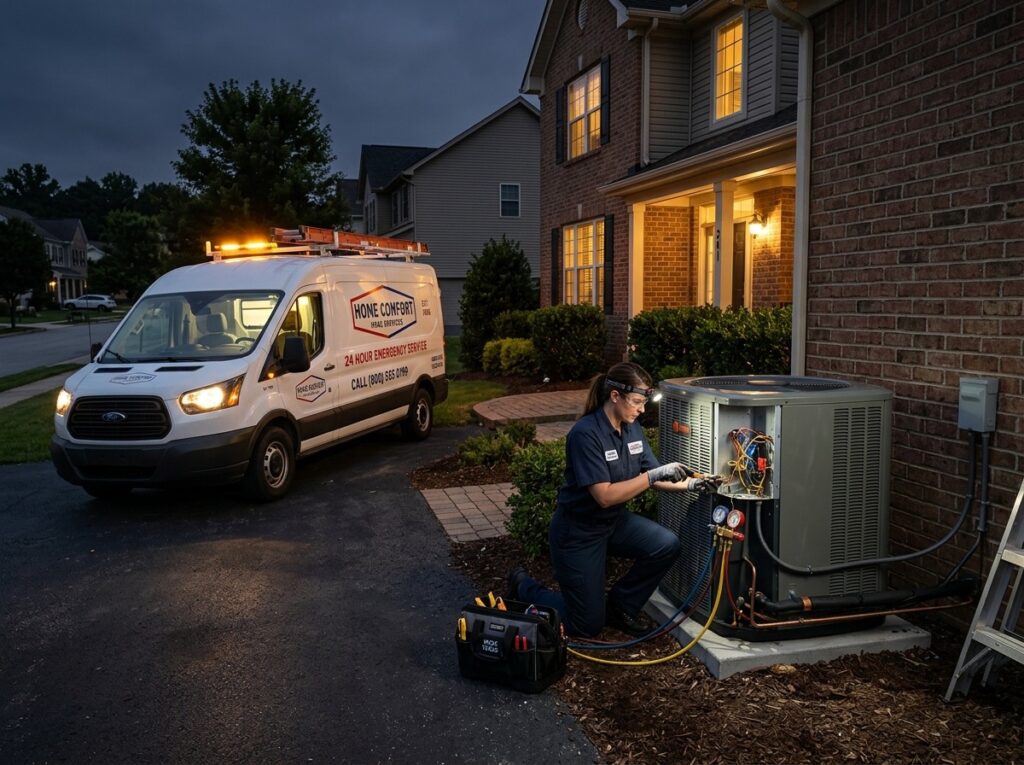
When considering any work on your home’s heating, ventilation, and air conditioning system, the expertise of the technician performing the service is paramount. This is where certifications like NATE (North American Technician Excellence) become incredibly important. NATE certification is the only industry-recognized, independent, third-party certification program for HVACR technicians. It signifies that a technician has met the highest standards of technical excellence, demonstrating a comprehensive understanding of HVAC systems and their complex components. Opting for a professional who is NATE-certified ensures you are getting a highly qualified individual, much like seeking out a NATE-certified HVAC Utah expert for specialized services.
NATE-certified technicians undergo rigorous testing that covers a broad spectrum of HVAC knowledge, from installation and service to maintenance and repair. This specialized training equips them with the skills to handle diverse system types and technologies, ensuring precision in every task they undertake. The benefits of this expertise extend to system longevity, as correctly installed and maintained equipment is less prone to premature failure. Furthermore, choosing certified professionals offers a layer of consumer protection, knowing that the work adheres to strict industry standards and best practices. They are also typically well-versed in handling factory-authorized parts, which is crucial for maintaining system warranties and optimal performance.
Why NATE-certified HVAC Utah Technicians Excel in Complex Repairs
The complexity of modern HVAC systems means that diagnosing and repairing issues often requires more than just basic knowledge. NATE-certified technicians excel in these intricate scenarios due to their advanced training. Their diagnostic accuracy is a standout quality; they can quickly and precisely pinpoint the root cause of a problem, avoiding costly trial-and-error repairs. This is particularly vital when dealing with electrical troubleshooting, where a misdiagnosis can lead to further damage or safety hazards.
Refrigerant handling is another area where their expertise shines. With evolving environmental regulations and the introduction of new refrigerants, proper handling, recovery, and charging are critical. NATE-certified professionals are trained in these specific procedures, ensuring compliance and environmental responsibility. Moreover, their adherence to stringent safety protocols protects both your home and themselves during service calls. Their proficiency in using advanced tools and diagnostic equipment further enhances their ability to perform repairs efficiently and effectively, ensuring your system is restored to optimal working order.
Long-term Benefits of Hiring NATE-certified HVAC Utah Experts
The decision to hire NATE-certified experts has significant long-term benefits for homeowners. One of the most immediate advantages is a noticeable reduction in callbacks for the same issue. Their ability to fix problems correctly the first time saves you time, money, and frustration. This precision also leads to optimized system performance, as every component is installed, repaired, or maintained according to manufacturer specifications. This optimization translates into greater comfort and efficiency throughout your home.
Furthermore, working with certified technicians helps ensure warranty compliance. Many manufacturers require that installation and major repairs be performed by qualified professionals to keep warranties valid. By choosing NATE-certified experts, you safeguard your investment. Perhaps most importantly, their expertise contributes to lower energy consumption. Properly sized, installed, and maintained systems run more efficiently, using less energy to achieve desired temperatures. This includes performing professional load calculations to ensure your system is perfectly matched to your home’s specific heating and cooling needs, preventing the inefficiencies of an oversized or undersized unit.
Essential Services Offered by Local HVAC Experts
Local HVAC companies offer a comprehensive suite of services designed to keep our homes comfortable year-round. These services extend far beyond simple repairs, encompassing everything from initial system design and installation to ongoing maintenance and emergency support. Understanding the breadth of these offerings helps homeowners make informed decisions about their comfort needs.
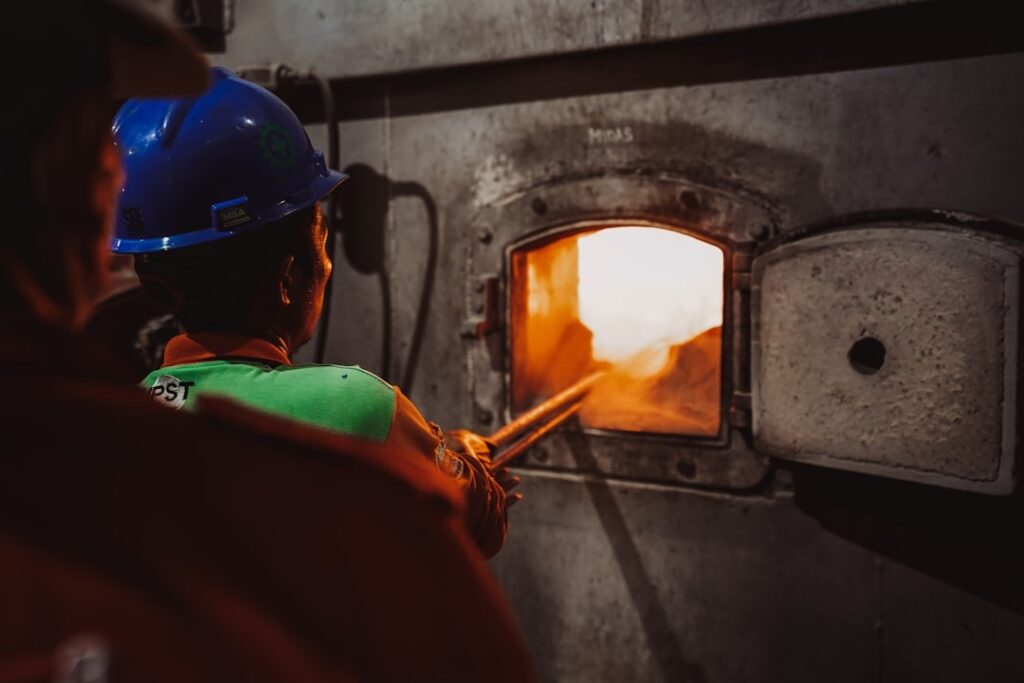
At the core, HVAC professionals specialize in various heating and cooling systems. This includes the installation and servicing of central air conditioning units, which are a cornerstone of cooling comfort in many homes. For heating, they handle gas furnaces, known for their powerful and consistent heat, as well as electric heat pumps, which offer efficient heating and cooling from a single system. Ductless mini-splits are another popular option, providing zoned comfort for homes without existing ductwork or for additions. For those with older homes or specific preferences, experts also work with boiler systems, delivering radiant heat.
Beyond routine services, the unpredictable nature of mechanical systems means that emergency 24/7 repairs are a critical offering. When a system breaks down unexpectedly, especially during extreme weather, having access to rapid, reliable service is invaluable. Many companies also extend their expertise to commercial HVAC solutions, catering to the unique demands of businesses and larger properties.
Here’s a comparison of common HVAC system types:
System Type Primary Function Efficiency Metric Fuel Source Key Benefit Central Air Cooling SEER2 Electricity Whole-home cooling, integrated with furnace. Gas Furnace Heating AFUE Natural Gas/Propane Powerful, consistent heat. Electric Heat Pump Heating & Cooling SEER2/HSPF Electricity Energy-efficient dual functionality. Ductless Mini-Split Heating & Cooling (Zone) SEER2/HSPF Electricity Zoned comfort, no ducts needed. Boiler System Heating AFUE Natural Gas/Oil/Propane Radiant, even heat, quiet operation. System Type Primary Function Efficiency Metric Fuel Source Key Benefit Central Air Cooling SEER2 Electricity Whole-home cooling, integrated with furnace. Gas Furnace Heating AFUE Natural Gas/Propane Powerful, consistent heat. Electric Heat Pump Heating & Cooling SEER2/HSPF Electricity Energy-efficient dual functionality. Ductless Mini-Split Heating & Cooling (Zone) SEER2/HSPF Electricity Zoned comfort, no ducts needed. Boiler System Heating AFUE Natural Gas/Oil/Propane Radiant, even heat, quiet operation. 
Indoor Air Quality and Ventilation Solutions
As we spend more time indoors, the quality of the air we breathe at home has become a significant health concern. HVAC companies are at the forefront of providing solutions to improve indoor air quality (IAQ). This includes installing high-efficiency particulate air (HEPA) filtration systems that capture microscopic particles like dust, pollen, and pet dander. UV germicidal lights can be integrated into ductwork to neutralize airborne bacteria, viruses, and mold spores, offering a powerful defense against pathogens.
Whole-home humidifiers address issues of dry air, which can exacerbate respiratory problems and damage wooden furnishings, while dehumidifiers tackle excessive humidity, preventing mold growth and making warm air feel cooler. Duct sealing services prevent air leaks, ensuring that conditioned air reaches its destination efficiently and that outdoor pollutants don’t infiltrate the system. Standalone air purifiers and comprehensive carbon monoxide monitoring systems further enhance home safety and health, providing peace of mind for occupants.
Integrated Plumbing and Mechanical Services
Many full-service HVAC companies also offer integrated plumbing and mechanical services, providing a convenient one-stop solution for homeowners. This often includes water heater installation and repair, covering both traditional tank-based systems and more energy-efficient tankless systems that provide on-demand hot water. Gas line piping is another common service, essential for connecting gas furnaces, water heaters, and other gas appliances safely and to code.
Sump pump maintenance and installation are crucial for homes in areas prone to flooding, protecting basements and foundations from water damage. Leak detection services utilize advanced technology to find hidden leaks, preventing costly water damage and high utility bills. Furthermore, many providers offer general bathroom plumbing integration, handling everything from faucet repairs to toilet installations, ensuring all essential home systems function seamlessly together.
Identifying When Your System Requires Professional Attention
Recognizing the signs that your HVAC system needs professional attention can save you from more extensive repairs or even premature system replacement. Being proactive can prevent minor issues from escalating into major breakdowns, especially as we move through April 2026 and depend on our systems for consistent comfort.
One of the most common indicators is the presence of unusual noises. Grinding, squealing, banging, or persistent rattling sounds often point to mechanical problems like worn bearings, loose components, or issues with the fan motor. Similarly, inconsistent temperatures throughout your home, where some rooms are too hot while others are too cold, suggest a problem with airflow, ductwork, or even the system’s ability to distribute conditioned air evenly.
Short cycling, where your system turns on and off frequently without completing a full heating or cooling cycle, is another red flag. This not only wastes energy but also puts undue stress on the system’s components, leading to accelerated wear and tear. A noticeable and unexplained rise in your utility bills, despite consistent usage, often signifies a decline in your system’s efficiency, indicating it’s working harder than it should to achieve desired temperatures.
The age of your system is also a critical factor. While the average lifespan of an HVAC system is typically between 15 to 20 years, depending on maintenance, usage, and the quality of the equipment, older units are inherently more prone to breakdowns and less energy-efficient. If your system is approaching or has exceeded this age range, it’s wise to consider professional assessment for potential replacement.
Other signs include moisture buildup around your indoor or outdoor unit, which could indicate refrigerant leaks or drainage issues. Poor airflow from your vents suggests blockages in the ducts or a failing fan. Finally, any unpleasant odors emanating from your vents, such as a burning smell, musty odor, or the scent of gas, should prompt immediate professional investigation, as these can indicate serious safety or health concerns.
Maximizing Efficiency Through Strategic Maintenance
Regular, strategic maintenance is the cornerstone of a long-lasting, efficient, and reliable HVAC system. It’s not merely about fixing things when they break, but about preventing breakdowns, optimizing performance, and ensuring the health and safety of your home environment.
One of the simplest yet most impactful maintenance tasks is filter replacement. It’s recommended to change your HVAC filter every 1-3 months, depending on usage and the type of filter, to maintain optimal air quality and system efficiency. A clogged filter restricts airflow, forcing your system to work harder and consume more energy. Beyond filters, annual precision tune-ups are vital. These typically involve a thorough inspection, cleaning, and calibration of your system’s components.
Specifically, scheduling a spring AC service ensures your cooling system is ready for the warmer months, checking refrigerant levels, electrical connections, and coil cleanliness. A fall furnace inspection prepares your heating system for winter, focusing on burner operation, heat exchanger integrity, and safety controls. Duct cleaning, recommended every 3-5 years or more frequently if you have pets or allergies, removes accumulated dust, debris, and allergens, improving both airflow and indoor air quality.
Smart thermostat calibration ensures your system is accurately reading and responding to temperature changes, maximizing comfort and efficiency. Coil cleaning, particularly for the outdoor condenser coil, is crucial as dirty coils hinder heat transfer, making the system less efficient. Lastly, refrigerant level checks are essential to ensure your AC or heat pump has the correct amount of refrigerant for optimal cooling and heating, as low levels can indicate a leak and severely impact performance.
Benefits of Preventative Maintenance Plans
For homeowners seeking maximum peace of mind and convenience, preventative maintenance plans or membership programs offered by HVAC providers are an excellent investment. These plans typically include scheduled annual or bi-annual visits, ensuring your system receives professional attention at the right times.
Key benefits often include priority scheduling, meaning that if you have a repair need, you move to the front of the line, especially valuable during peak seasons. Members often receive repair discounts on parts and labor, significantly reducing the cost of unexpected fixes. Regular maintenance directly contributes to extended equipment life, postponing the need for costly system replacement. Furthermore, these plans usually incorporate comprehensive safety inspections, identifying potential hazards like gas leaks or electrical issues before they become dangerous. Finally, having a documented service history can be beneficial for warranty claims and provides a clear record of your system’s health over time.
Frequently Asked Questions about NATE-certified HVAC Utah
Navigating HVAC can bring up many questions for homeowners. Here, we address some of the most common inquiries to help you make informed decisions about your home comfort system.
The average lifespan of a modern HVAC system can vary significantly based on several factors, but generally, you can expect a well-maintained system to last between 15 to 20 years. More specifically, heat pumps typically have a lifespan of 10-15 years, while furnaces can often last 15-20 years. The durability of your system is heavily influenced by how consistently it receives professional maintenance, the quality of the initial installation, and its usage patterns. Environmental factors, such as extreme weather conditions or corrosive air (e.g., coastal areas), can also impact longevity. Regular tune-ups and prompt repairs of minor issues are crucial for maximizing your system’s operational life.
To ensure optimal performance, efficiency, and longevity, we recommend scheduling professional HVAC maintenance bi-annually. This means having your cooling system serviced in the spring before the summer heat arrives, and your heating system inspected in the fall before the winter chill sets in. These seasonal preparation visits allow technicians to identify and address potential issues before they lead to breakdowns, clean components that impact efficiency, and make necessary adjustments for peak performance. This proactive approach not only helps prevent unexpected repairs but also significantly contributes to the efficiency optimization of your system, keeping energy bills lower.
Improving indoor air quality (IAQ) is a multi-faceted approach. One of the simplest and most effective methods is to regularly change your HVAC air filters, opting for higher MERV (Minimum Efficiency Reporting Value) rated filters if your system can accommodate them, as these capture more airborne particles. Enhancing ventilation through natural means (opening windows when outdoor air quality is good) or mechanical ventilation systems is also crucial. Controlling humidity levels with humidifiers or dehumidifiers prevents the growth of mold and mildew while making the air more comfortable. Source removal, such as eliminating strong odors, cleaning regularly, and managing pet dander, directly reduces pollutants. Finally, investing in air purification technology, such as UV germicidal lights or whole-home air purifiers, can actively remove contaminants from the air. Don’t forget duct hygiene; clean ducts contribute significantly to cleaner air circulating throughout your home.
Securing Long-Term Home Comfort
Ensuring long-term home comfort is an investment in your property and your quality of life. By understanding the services available and making informed choices, you can create an indoor environment that is consistently comfortable, healthy, and energy-efficient. When seeking an HVAC partner, transparency in pricing is key. Reputable companies offer upfront pricing, ensuring you know the cost of services before any work begins, eliminating unexpected charges.
Look for providers who stand behind their work with robust workmanship guarantees, offering peace of mind that the job will be done right. Financing options are often available, making significant investments like new system installations more manageable through flexible payment plans. Furthermore, keep an eye out for federal tax credits and local utility rebates, which can significantly offset the cost of upgrading to high-efficiency systems in April 2026.
Professional consultations are invaluable. A thorough assessment of your home’s unique needs, considering factors like size, insulation, and local climate, ensures that any recommended solutions are perfectly tailored. Securing long-term home comfort means partnering with professionals who prioritize your needs, offer comprehensive services, and guide you towards sustainable home heating and cooling solutions that benefit both your family and the planet.
If you want to know about 11 Modern Home Upgrades That Add Value and Convenience then visit our Interior Design category.