Imagine your home becoming uncomfortably hot during a summer heatwave or freezing cold during a winter storm. When your heating, ventilation, and air conditioning (HVAC) system breaks down unexpectedly, it’s not just an inconvenience; it can pose serious health and safety risks. In April 2026, we recognize that reliable indoor climate control is a fundamental necessity, not a luxury.
Extreme temperatures, whether scorching heat or biting cold, can be dangerous. For instance, past events like the 1995 Chicago heatwave tragically demonstrated the life-threatening risks of AC failure, claiming over 700 lives. Today, thousands are hospitalized annually due to heat-related illnesses, and dangerous heat conditions can begin when the heat index exceeds 90°F (32°C). Even nighttime temperatures above 75°F (24°C) can be hazardous, preventing the body from cooling down properly.
This comprehensive guide is designed to help you understand and navigate 24-hour emergency HVAC services. We will explore what truly qualifies as an HVAC emergency, common warning signs, and what to expect when you need urgent professional help. We will also cover how to prevent breakdowns and find trustworthy services near you, ensuring your home remains a safe and comfortable haven, no matter the weather outside.
Identifying Critical Heating and Cooling Emergencies
When your HVAC system falters, it’s crucial to distinguish between a minor inconvenience and a genuine emergency that demands immediate professional attention. A true HVAC emergency isn’t just about discomfort; it often involves risks to health, safety, and property. Ignoring these critical situations can lead to severe consequences, from medical emergencies to extensive home damage.
One of the most stark reminders of the dangers of HVAC failure during extreme weather is the 1995 Chicago heatwave, where over 700 lives were lost due to AC failure. This tragic event underscores the life-or-death risks associated with a lack of proper cooling in intense heat. Similarly, during frigid winter months, a furnace breakdown can lead to dangerous indoor temperatures, risking hypothermia, frozen pipes, and structural damage to your home.
Beyond temperature extremes, other issues can escalate into emergencies. The presence of carbon monoxide, an odorless and colorless gas, from a malfunctioning furnace is a silent killer. Refrigerant leaks not only harm the environment but can also pose health risks to occupants and signal a severe system malfunction. Electrical hazards, such as sparking, burning smells, or frequently tripping breakers, indicate a potential fire risk that requires immediate intervention. Understanding these risks is the first step in protecting your home and family.
True HVAC emergencies typically involve:
- Complete System Failure in Extreme Weather: Your furnace goes out during an arctic blast, or your AC fails during a heatwave. This is especially critical if there are vulnerable individuals (elderly, infants, those with medical conditions) in the home.
- Gas Leaks or Carbon Monoxide Detection: Any smell of gas or activation of a carbon monoxide detector is an immediate emergency. Evacuate and call for professional help.
- Electrical Hazards: Burning smells, visible sparks, or frequently tripped circuit breakers associated with your HVAC unit. These are fire risks.
- Refrigerant Leaks: Hissing sounds, ice on your AC unit, or a noticeable drop in cooling efficiency, accompanied by health symptoms, can indicate a serious leak.
- Water Leaks Causing Damage: Significant water leaks from your AC or boiler that are actively damaging your property or creating electrical hazards.
- No Heat/Cooling for Vulnerable Populations: If your heating or cooling system fails and you have infants, elderly residents, or individuals with medical conditions susceptible to temperature extremes, it’s always an emergency.
Signs Your Heating and Cooling System Needs Immediate Attention
Your HVAC system often provides warning signs before a complete breakdown. Learning to recognize these indicators can help you act quickly and potentially prevent a more severe emergency.
- Screaming or Grinding Noises: Loud, unusual noises like screaming, grinding, or metal-on-metal sounds often point to a failing motor, fan, or other critical internal components. A hissing sound might indicate a refrigerant leak.
- Burning Smells: A persistent burning smell could signify electrical wiring issues, overheating components, or even a build-up of dust burning off. If it smells like plastic or electrical fire, shut off the system immediately.
- Frequent Cycling (Short Cycling): If your furnace or AC unit is turning on and off more frequently than usual, it’s often struggling to maintain the desired temperature, indicating an underlying problem with sizing, refrigerant levels, or a faulty thermostat.
- Skyrocketing Energy Bills: A sudden, unexplained spike in your utility bills without a change in usage patterns can be a major red flag that your system is working inefficiently due to a malfunction.
- Frozen Coils (AC): Ice accumulation on your outdoor or indoor AC unit’s coils indicates a problem with airflow, refrigerant levels, or a dirty filter. This severely impacts cooling capacity and can damage the compressor.
- No Airflow or Weak Airflow: If you feel little to no air coming from your vents, or if the airflow is significantly weaker than usual, it could be due to a clogged filter, a malfunctioning fan, or ductwork issues.
- No Heat or No Cooling: The most obvious sign, of course, is when your system simply fails to produce conditioned air altogether.
Common Components Requiring Urgent Repair
Emergency HVAC services are equipped to handle a wide range of critical system components. When a breakdown occurs, it’s typically one of these essential parts that requires immediate attention:
- Gas Furnaces: Malfunctions can include ignition problems, faulty thermostats, blower motor issues, or dangerous gas leaks. During winter, a non-functional furnace is a critical emergency.
- Central AC Units: Common emergency repairs involve refrigerant leaks, compressor failure, electrical issues, or problems with the condenser fan. An AC failure during a heatwave can be life-threatening.
- Heat Pumps: These versatile systems can suffer from issues like refrigerant leaks, compressor problems, faulty reversing valves (which switch between heating and cooling), or electrical malfunctions. Signs of heat pump trouble often mirror those of furnaces and ACs, such as rising energy bills or inconsistent heating/cooling.
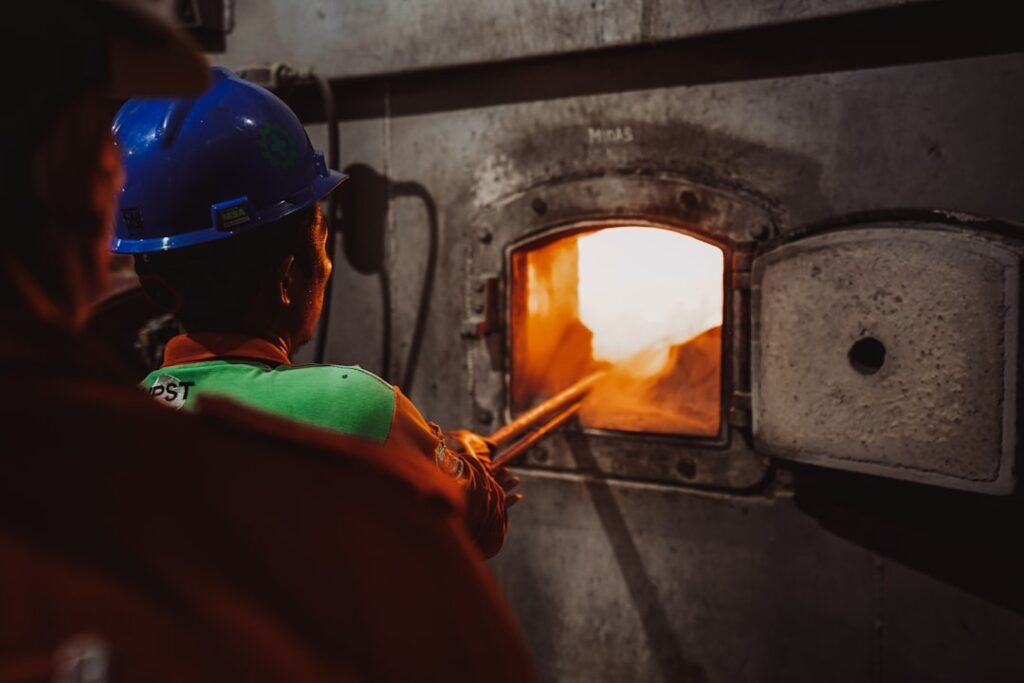
- Boilers: Urgent boiler repairs often relate to pressure issues, leaks, pilot light problems, or circulation pump failures, all of which can lead to a complete loss of heat.
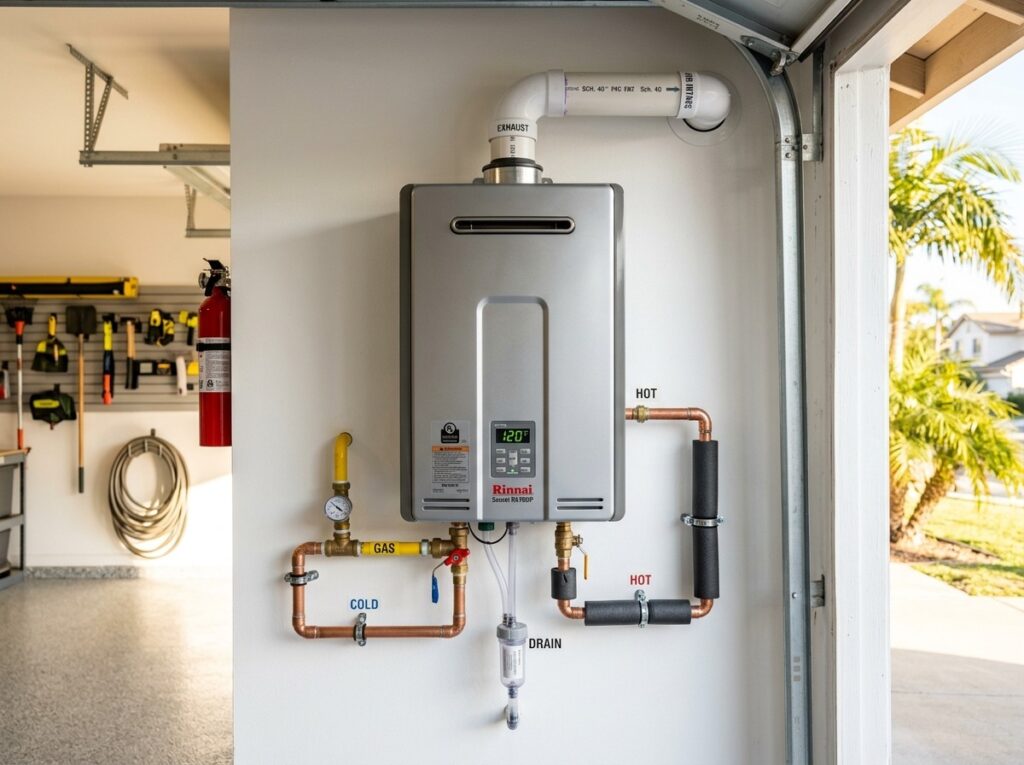
- Water Heaters: While not always considered part of the central HVAC system, a malfunctioning water heater can be an emergency, especially if it’s leaking significantly, producing no hot water, or showing signs of gas leakage or electrical faults. Nobody wants cold showers, especially in colder months.
- Thermostats: A faulty thermostat can prevent your entire system from turning on or off, leading to extreme indoor temperatures. While sometimes a simple fix, it can be the root cause of a perceived system failure.
- Ductwork: While less common for “emergency” repair, severely damaged or disconnected ductwork can lead to significant energy loss and uneven heating/cooling, requiring prompt attention to restore efficiency and comfort.
Navigating 24-Hour Emergency HVAC Response
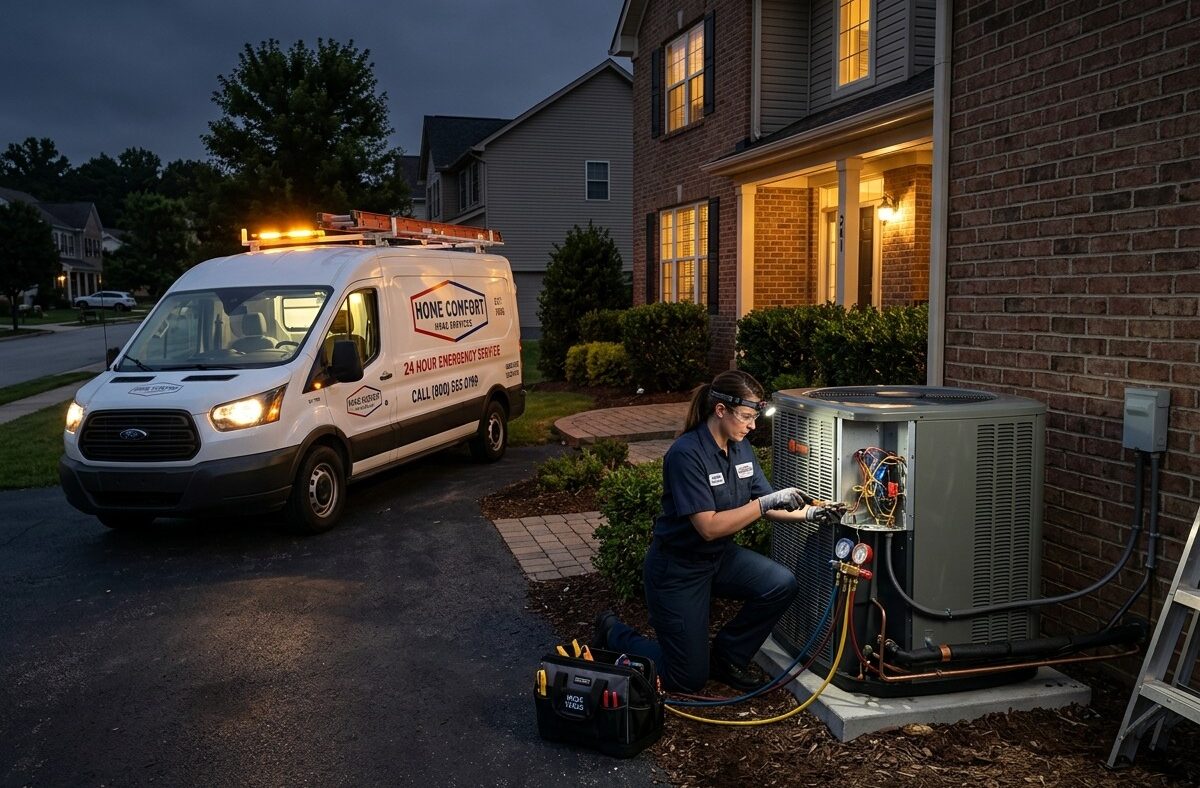
When an HVAC emergency strikes, time is of the essence. You need a service provider that can respond swiftly and effectively, regardless of the hour. Reputable 24-hour emergency HVAC services are designed to be there precisely when you need them most, often with a rapid response time that can prevent further damage or discomfort. These services typically cover a specific geographic area, ensuring that their technicians can reach your location promptly. For residents needing urgent assistance, finding a reliable 24 hour emergency HVAC Hamilton Township service is crucial.
The speed of response can vary, but many top-tier companies aim for technicians to be dispatched within hours, if not sooner, depending on the severity of the emergency and current call volume. What truly sets a reliable 24-hour HVAC company apart is not just their availability, but the quality and preparedness of their service. Look for companies that employ licensed, certified, and extensively trained technicians who are equipped to diagnose and repair a wide array of issues on the spot.
A key indicator of preparedness is a fleet of well-stocked service trucks. Many leading providers ensure their vehicles carry a comprehensive inventory of common parts and specialized tools, allowing technicians to perform most repairs during the initial visit without needing to order parts and schedule a follow-up. This efficiency is invaluable during an emergency.
Furthermore, a reputable company will stand behind its work with guarantees on repairs and potentially offer warranties on new parts or installations. Financing options for unexpected, costly emergency repairs can also be a significant relief for homeowners. Some providers, like One Hour Heating & Air Conditioning, boast impressive customer satisfaction ratings, with a 4.82 average rating from over 180,000 reviews for their 24/7 emergency services, highlighting their commitment to responsiveness and quality.
What to Expect from Professional Heating and Cooling Technicians
When you call for emergency HVAC service, knowing what to expect can help ease your stress. A professional technician will typically follow a structured process to ensure your system is repaired safely and efficiently.
First, expect a prompt arrival. Many companies pride themselves on rapid response, understanding the urgency of your situation. Upon arrival, the technician will conduct a thorough diagnostic process to accurately identify the root cause of the problem. This involves inspecting your unit, checking electrical connections, testing components, and using specialized tools. They will explain their findings in clear, understandable terms, avoiding jargon.
Transparency in pricing is a hallmark of a trustworthy service. Before any work begins, the technician should provide a detailed explanation of the necessary repairs and a clear, upfront cost estimate. While some companies might charge additional fees for nights, weekends, or holidays, many reputable providers, like HARP Home Services, explicitly state that they do not charge emergency fees, offering upfront pricing regardless of the time of day. This policy provides peace of mind, ensuring you won’t face unexpected costs. Our article on Emergency Heating Repair Tips can offer more insights into preparing for a technician’s visit.
Safety is paramount. Technicians will perform safety inspections to ensure that once repaired, your system operates without posing any risks, especially concerning gas lines or electrical components. They are trained to handle the inherent dangers of HVAC systems, which involve gas and electricity, making DIY repairs unsafe.
Finally, expect professional service and guarantees. Many companies offer guarantees on their repairs, ensuring the work is done right the first time. They should also honor factory warranties on parts where applicable. The goal is not just a quick fix, but a lasting solution that restores your home’s comfort and safety.
Understanding Dangerous Temperature Thresholds
The human body is remarkably resilient, but there are limits to what it can withstand, especially when it comes to extreme temperatures. HVAC systems are not merely for comfort; they are vital for maintaining safe indoor environments, particularly for vulnerable populations. There is more on this in Importance of Dependable Home Utility Services.
The statistics provided by health organizations like the CDC are stark reminders of this reality. Dangerous heat conditions typically begin when the heat index exceeds 90°F (32°C), significantly increasing the risk of heat exhaustion. As the heat index climbs above 103°F (39°C), the risk of heat stroke becomes substantial, a life-threatening condition. What’s often overlooked is the danger posed by elevated nighttime temperatures; even above 75°F (24°C), the body struggles to cool down properly, leading to cumulative heat stress and health complications. Thousands of people are hospitalized each year due to heat-related illnesses, making extreme heat one of the leading causes of weather-related deaths in the United States.
Conversely, during winter, frigid temperatures can be just as dangerous. Arctic blasts and prolonged cold snaps can lead to hypothermia if indoor heating systems fail. Beyond personal health risks, a lack of heat in freezing conditions can cause pipes to burst, leading to extensive water damage and costly repairs. These extreme scenarios highlight why a functional HVAC system is an essential utility, not a luxury, and why 24-hour emergency services are critical. Our guide on Emergency Heating Repair Tips for Residents offers further advice on handling cold weather emergencies.
Proactive Measures and Maintenance Strategies
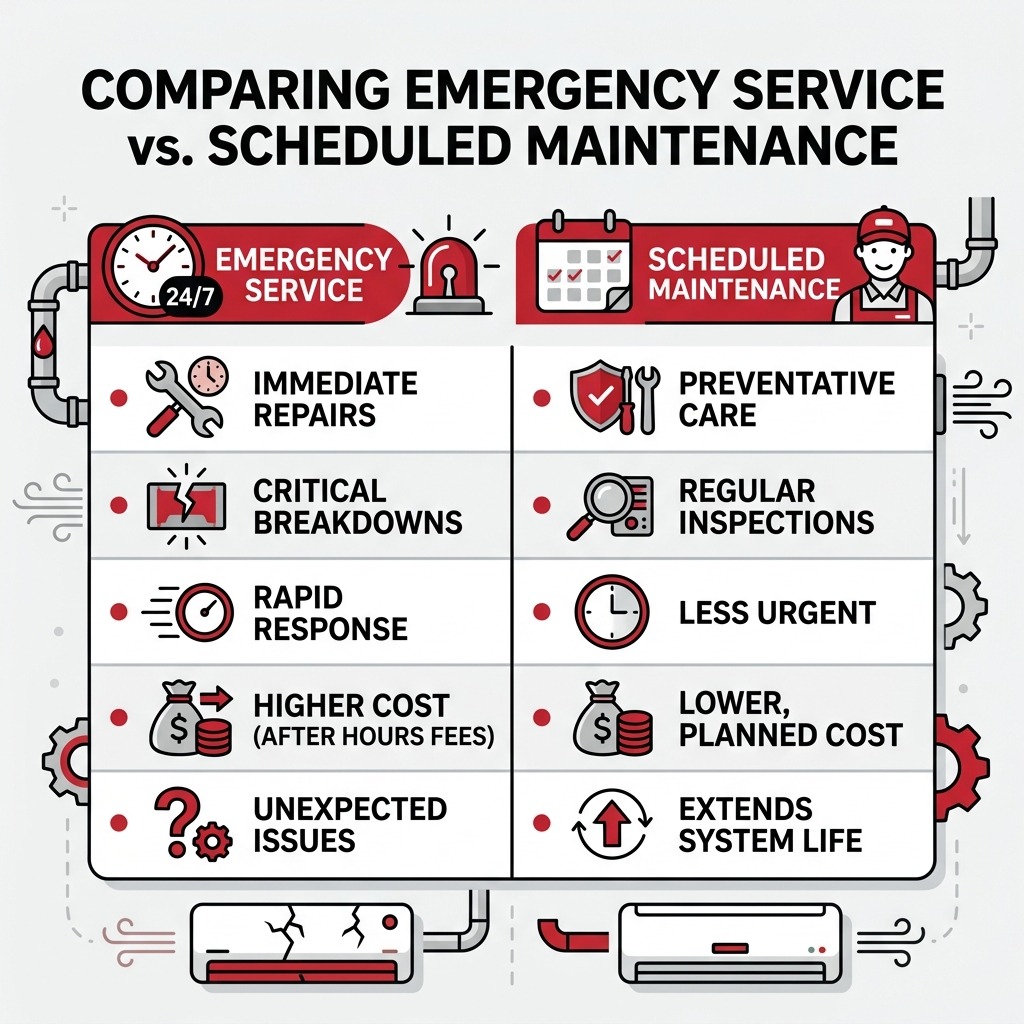
While emergency HVAC services are invaluable when a crisis hits, the best defense is a good offense. Many urgent repairs can be avoided through consistent, proactive maintenance. Regular care not only extends the lifespan of your system but also ensures it runs efficiently, saving you money on energy bills and preventing unexpected breakdowns.
Seasonal tune-ups are the cornerstone of preventative HVAC care. Scheduling professional maintenance for your AC in the spring and your furnace in the fall allows technicians to inspect, clean, and fine-tune your system before it’s subjected to heavy use. During these visits, they can identify minor issues before they escalate into major emergencies, check refrigerant levels, clean coils, inspect electrical connections, and lubricate moving parts.
Beyond professional tune-ups, simple homeowner tasks can make a significant difference. Regularly changing air filters is crucial for maintaining good airflow and preventing dust buildup that can strain your system. Cleaning around your outdoor AC unit, ensuring it’s free from debris and vegetation, also helps maintain optimal performance. These preventative measures contribute to efficiency optimization and can significantly reduce the likelihood of needing an emergency call. For more insights on late-night heating problems, check out Late Night Heating Problems.
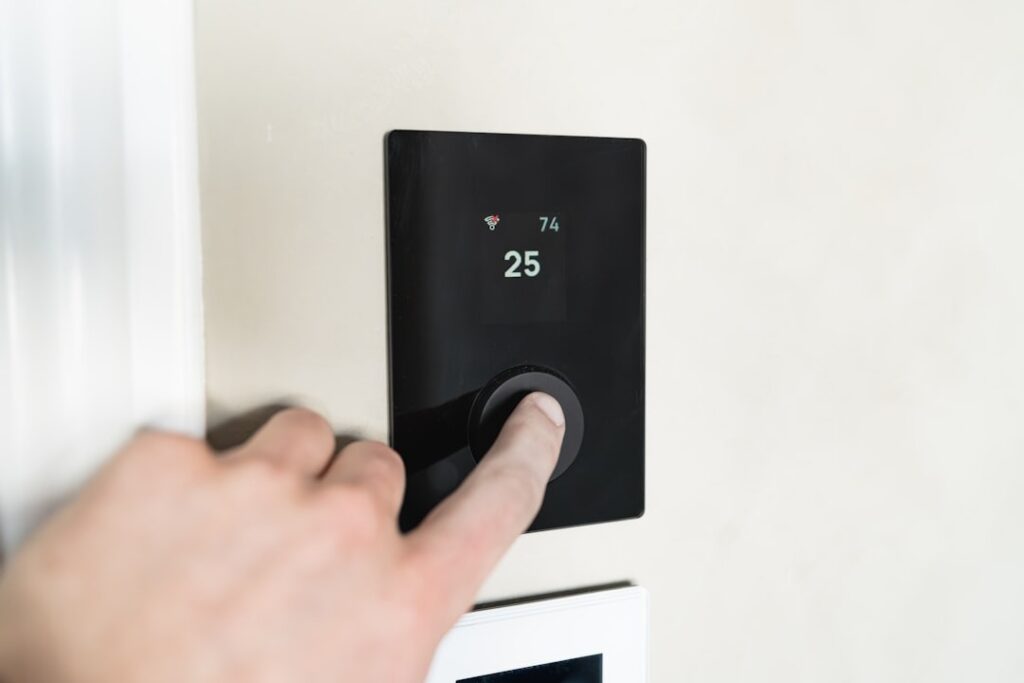
DIY Troubleshooting Steps Before Calling for Emergency Service:
- Check Your Thermostat: Ensure it’s set to the correct mode (heat/cool) and temperature. Replace batteries if it’s a digital model.
- Inspect Air Filters: A clogged filter can severely restrict airflow. Replace or clean it if dirty.
- Check Circuit Breaker: Locate your electrical panel and see if the breaker for your HVAC unit has tripped. Reset it if necessary.
- Ensure Vents Are Open: Make sure all supply and return vents are unobstructed and open.
- Outdoor Unit Check (AC): Clear away any debris, leaves, or grass clippings from around the condenser unit.
- Pilot Light (Furnace): If you have an older gas furnace, check if the pilot light is lit. Follow manufacturer instructions for relighting if it’s out.
Steps to Take While Waiting for a Technician
Once you’ve identified an HVAC emergency and called for professional help, there are several crucial steps you can take to ensure safety and prepare for the technician’s arrival.
- Prioritize Safety First: If you suspect a gas leak (rotten egg smell) or carbon monoxide (CO detector alarm), evacuate your home immediately and call emergency services from a safe location. If there are electrical hazards like sparks or burning smells, turn off the power to the unit at the circuit breaker. Never attempt to handle these issues yourself.
- Clear Access to the Unit: Ensure the technician has a clear, unobstructed path to your indoor and outdoor HVAC units. Move furniture, clear away clutter, and unlock any gates if the outdoor unit is enclosed.
- Verify Thermostat Settings: Double-check that your thermostat is set to the correct mode (heating or cooling) and temperature. Sometimes, a simple setting error can be mistaken for a system breakdown.
- Check and Reset Circuit Breaker: As mentioned in the DIY steps, a tripped circuit breaker is a common culprit. Resetting it might resolve the issue temporarily or confirm an electrical problem.
- Improve Ventilation (if safe): If your AC is out during extreme heat, open windows at night (if cooler outside) and close them during the day. Use fans to circulate air. For heating issues, ensure no drafts are entering the home.
- Seek Temporary Cooling/Heating Centers: In extreme weather, if your home becomes unsafe, consider moving to a friend’s or family member’s home, or a designated cooling/heating center, especially if you have vulnerable individuals in your household.
- Gather Information: Note down any unusual sounds, smells, or events that preceded the breakdown. This information can be invaluable for the technician in diagnosing the problem quickly. Our No Heat Quick Solutions for Residents offers more immediate actions you can take.
How Regular Maintenance Prevents Emergencies
Regular HVAC maintenance is not merely a recommendation; it’s a critical investment in your home’s comfort, safety, and financial well-being. By proactively caring for your system, you can significantly reduce the likelihood of unexpected, costly, and inconvenient emergencies.
One of the primary benefits of routine maintenance is the mitigation of component wear. Over time, parts like motors, bearings, and electrical connections naturally degrade. During a maintenance check, technicians can identify and address these minor wear-and-tear issues before they lead to a complete breakdown. Lubricating moving parts, tightening electrical connections, and cleaning components can prevent premature failure.
Maintenance also facilitates early detection of potential problems. A skilled technician can spot subtle signs of trouble—such as a slight refrigerant leak, a weakening capacitor, or a developing clog in the condensate drain—that an untrained eye might miss. Addressing these issues early on is almost always less expensive and less disruptive than waiting for a full-blown emergency.
Airflow optimization is another key aspect. Clean filters, coils, and ductwork ensure your system can breathe properly, preventing strain on the blower motor and compressor. Poor airflow can lead to reduced efficiency, uneven heating or cooling, and even frozen coils in AC units.
The financial benefits are substantial. A well-maintained system runs more efficiently, leading to considerable energy savings over its lifespan. Furthermore, many HVAC manufacturers require documented annual maintenance to keep your warranty compliant. Without it, a costly repair that would otherwise be covered might fall entirely on your shoulders. Regular maintenance prolongs your system’s lifespan, delaying the need for expensive replacements and ensuring consistent, reliable performance for years to come.
Frequently Asked Questions about Emergency HVAC Services
Navigating an HVAC emergency can be daunting, especially if you’re unsure about the process or what constitutes a true emergency. Here, we address some of the most common questions homeowners have about 24-hour emergency HVAC services.
A true HVAC emergency is any situation where a malfunctioning heating or cooling system poses an immediate threat to the health and safety of occupants or risks significant property damage. This includes:
Complete loss of heating during freezing temperatures: Especially if pipes are at risk of freezing or vulnerable individuals are present.
Complete loss of cooling during extreme heat: Particularly when temperatures exceed dangerous thresholds (e.g., heat index above 90°F) and vulnerable individuals are in the home.
Suspected gas leaks or carbon monoxide presence: Any smell of gas or an activated carbon monoxide detector requires immediate evacuation and a call to emergency services.
Electrical hazards: Sparks, burning smells, or frequently tripping breakers related to the HVAC unit indicate a potential fire risk.
Significant water leaks: From your HVAC unit or water heater that are causing active damage or creating electrical hazards.
System making loud, unusual noises: Such as screaming, grinding, or hissing, which can indicate a critical component failure or refrigerant leak.
If you’re unsure, it’s always safer to err on the side of caution and contact a professional.
This is a common and valid concern for homeowners facing an unexpected breakdown. The answer varies by company. Many 24-hour emergency HVAC services do charge a premium for calls outside of standard business hours, including nights, weekends, and holidays. This is typically to compensate technicians for working during these off-peak times.
However, some reputable companies pride themselves on offering upfront, flat-rate pricing that does not fluctuate based on the time of day or week. They operate on the principle that an emergency is an emergency, regardless of when it occurs. It’s always best to clarify pricing policies when you first call for emergency service. Ask about diagnostic fees, hourly rates, and any potential surcharges for after-hours work. A transparent company will provide this information clearly before dispatching a technician. For example, some services explicitly state “no emergency fees” or “upfront pricing applies to all services, day or night,” which can be a significant relief during a stressful situation.
Finding a trustworthy 24-hour emergency HVAC service when you’re in a bind requires a bit of due diligence, even under pressure. Here are key steps and considerations:
Start with Local Searches: Use search terms like “24 hour emergency HVAC service near me,” “emergency AC repair [your city],” or “24/7 furnace repair [your town].” This will give you a list of local providers.
Check Online Reviews and Ratings: Websites like Google, Yelp, and industry-specific platforms provide customer feedback. Look for companies with consistently high ratings and a large volume of reviews, indicating widespread customer satisfaction. Pay attention to comments about responsiveness, professionalism, and transparent pricing.
Verify Licensing and Certifications: Ensure the company’s technicians are licensed and certified (e.g., NATE certification). This indicates they have met industry standards for technical competence.
Inquire About Experience: A company with a long-standing history in your community often signals reliability and expertise.
Ask About Guarantees and Warranties: A reputable company will stand behind its work with service guarantees and honor manufacturer warranties on parts.
Confirm 24/7 Availability: Double-check that they truly offer service around the clock, including weekends and holidays, and ask about their typical response times.
Discuss Pricing Transparency: As mentioned, inquire about their pricing structure for emergency calls to avoid surprises.
Consider Membership Plans: Many HVAC companies offer maintenance plans that include priority emergency service, discounts on repairs, and waived diagnostic fees. If you’re planning ahead, this can be a smart investment.
Ask for Referrals: Word-of-mouth from trusted friends, family, or neighbors can be a powerful indicator of a reliable service provider.
By taking these steps, even in an emergency, you can increase your chances of finding a competent and trustworthy 24-hour HVAC technician to restore your home’s comfort and safety.
Conclusion
In April 2026, the importance of a fully functional heating and cooling system cannot be overstated. As this comprehensive guide has highlighted, a malfunctioning HVAC unit is more than just an inconvenience; it can pose significant risks to your health, safety, and property, especially during periods of extreme weather. From the life-threatening dangers of heatstroke during a summer heatwave to the risk of frozen pipes and hypothermia in winter, a reliable 24-hour emergency HVAC service is an indispensable resource for every homeowner.
We’ve explored how to identify true HVAC emergencies, understand the critical signs your system might be failing, and what types of components most frequently require urgent attention. We’ve also delved into what makes a professional emergency service stand out, emphasizing the importance of licensed technicians, well-stocked trucks, transparent pricing, and robust guarantees. Furthermore, we’ve outlined crucial proactive measures, such as regular maintenance and simple DIY checks, that can significantly reduce the likelihood of a crisis.
Ensuring your home remains a sanctuary of comfort and safety hinges on a combination of proactive care and knowing who to call when the unexpected happens. Prioritizing regular maintenance not only extends the life and efficiency of your system but also provides invaluable peace of mind. When an emergency does strike, selecting a reliable, professional 24-hour HVAC service is paramount. By being informed and prepared, you can navigate any heating or cooling crisis with confidence, ensuring your family’s well-being and your home’s integrity.
If you want to know about Improving Indoor Air Quality with Modern HVAC Systems then visit our Home Appliances category.