Picture this: it’s been raining for days, the kids’ play area is a mud pit, and your once-green lawn now looks like a patchwork of bare spots and weeds. Sound familiar? Whether you’re tired of endless mowing, managing brown patches, or dealing with pet damage, choosing the right turf for your backyard can transform the space into a low-maintenance, year-round oasis. In this article we’ll explore practical turf ideas backyard homeowners can actually DIY, plus design inspiration and real-world tips to get the job done right.
Why choose turf for your backyard?
Artificial turf and improved natural turf options offer benefits that suit different lifestyles. Here’s what to consider:
- Low maintenance: Less mowing, watering, and fertilizing.
- Durability: Stands up to pets, kids, and high traffic when chosen and installed correctly.
- Year-round color: Keeps your yard green even in drought or winter months.
- Design flexibility: Use turf for play zones, patios, rooftop terraces, and decorative borders.
turf ideas backyard: Creative layouts & specific uses
Below are practical, stylish turf concepts that work in small or large yards, plus ways to execute them as DIY projects.
1. The pet-friendly turf zone
Create a dedicated area with drainage-optimized artificial grass and non-toxic infill. Design tips:
- Choose antimicrobial turf designed for pets.
- Install a permeable base layer for quick drainage.
- Use a slightly sloped surface to prevent puddles.
2. Play and safety area for kids
Turf provides a cushioned, even surface for swings, trampolines, or playsets. Consider foam underlayments or thicker pile turf to dampen falls.
3. Putting green or sports micro-pitch
Turn part of your backyard into a practice putting green or multi-use sports area. Select turf with short, dense pile for better ball roll and professional appearance.
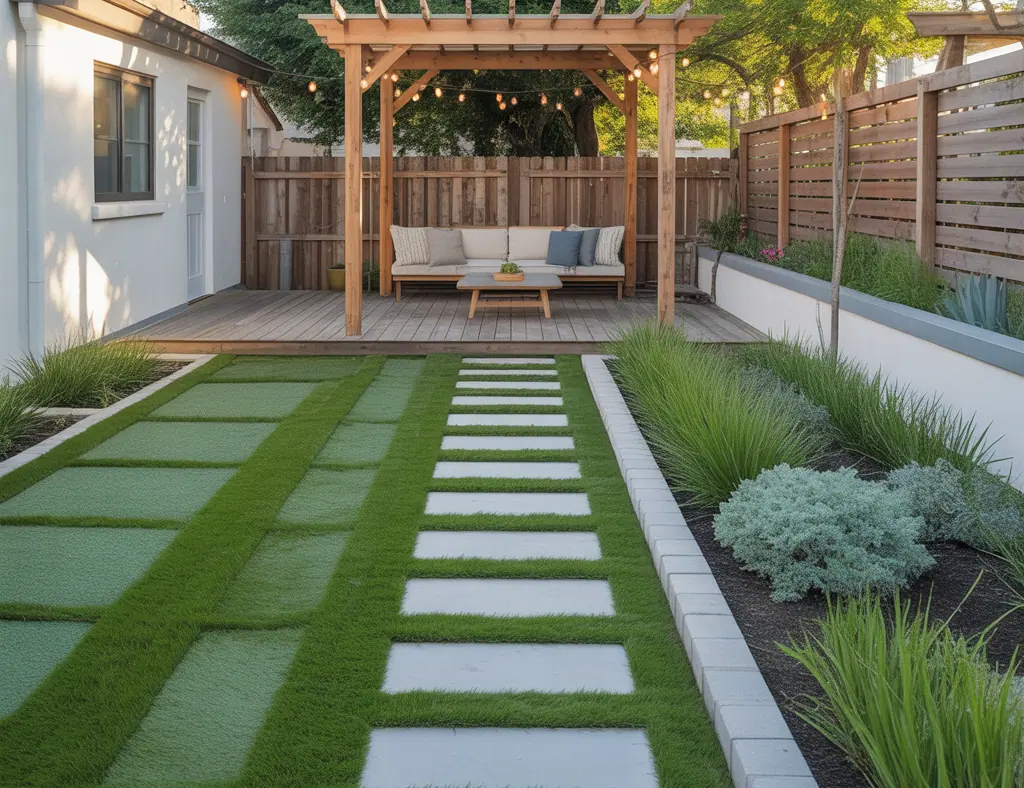
4. Turf between pavers and modern patio surrounds
Combine turf with concrete pavers to create clean lines and a contemporary look. Turf softens the hardscape and reduces heat reflection around patios and paths.
5. Rooftop and balcony turf
Lightweight artificial turf can turn an awkward balcony into a cozy outdoor room—pair with container plants and outdoor rugs for texture.
6. Erosion control on slopes
Synthetic turf can help stabilize steep areas where grass struggles to root, reducing maintenance and runoff.
DIY turf installation: Step-by-step improvement ideas
Installing turf yourself can save money if you plan carefully. Here’s a condensed step-by-step guide for a successful DIY artificial turf project:
- Measure your area: Add 5–10% extra for seams and cutting waste.
- Choose the right turf: Consider pile height, density, UV protection, and pet-friendly features.
- Clear and prepare the ground: Remove sod, weeds, and debris down to 2–4 inches. Excavate as needed for drainage.
- Install a weed barrier: Lay geotextile fabric to prevent regrowth.
- Add a base: Spread crushed rock (3/4″ minus) or decomposed granite and compact with a plate compactor until firm and level.
- Lay the turf: Roll out turf pieces with fibers facing the same direction. Trim edges with a sharp utility knife for a tight fit.
- Secure and seam: Use landscape staples around the perimeter. For seams, use seam tape and adhesive or specialty turf stitcher for long runs.
- Add infill: Spread silica sand or non-toxic infill to stabilize fibers and protect backing. Brush fibers upright using a stiff broom or power brush.
- Final touches: Trim edges, install edging, and water lightly to settle dust (if required by the manufacturer).
DIY tip: Rent a plate compactor and a power broom for professional-looking results. Keep seam lines away from high-traffic zones when possible.
Turf maintenance and real-world troubleshooting
Even synthetic lawns need care to last longer and look great. Practical maintenance tips:
- Brush the turf regularly to keep fibers upright and maintain appearance.
- Rinse pet areas weekly with water; use enzyme cleaners for odors.
- Remove debris and leaves to prevent mold in shaded sections.
- For seams or edges that lift, reapply adhesive or add more staples and re-seam if necessary.
- Address drainage issues by checking base compaction and adjusting slope if water pools.
Design inspiration: combining turf with plants and hardscape
Turf works best when balanced with living plants, pavers, and lighting:
- Use native drought-tolerant plants along turf borders to reduce overall watering needs.
- Mix turf strips with gravel or flagstone pathways for contrast and texture.
- Install soft LED lighting along turf edges to create evening ambiance.
- Use raised planter boxes to soften synthetic edges and add seasonal color.
Budget, materials, and sustainability considerations
Costs vary widely: basic artificial turf installation can start around affordable per-square-foot rates, while premium turf with professional installation runs higher. Factor in materials (turf, infill, base material, edging), tools (rental of compactor/power broom), and optional labor if you need help with heavy lifting.
For sustainability, look for recyclable products and non-toxic infill options (like coated sands or natural cork) rather than crumb rubber. Also consider heat management—lighter-colored turf reflects more heat and underlayments can reduce surface temperature.
Frequently Asked Questions
1. Is artificial turf safe for pets?
Yes—many turf products are specifically designed for pets with antimicrobial backing and easy-drain features. Choose pet-friendly infill and rinse areas regularly. Avoid cheaper turf that traps odors.
2. How long does turf last?
Quality synthetic turf can last 10–20 years depending on usage, UV exposure, and maintenance. Higher-density and UV-stabilized turf will typically last longer.
3. Can I install turf myself or should I hire a pro?
You can install turf yourself if you’re handy and comfortable using tools like a plate compactor and utility knife. For large or complex jobs—slopes, drainage challenges, or intricate seams—professional installation may save time and ensure better long-term results.
Conclusion — Try a turf idea for your backyard this season
Whether you want a pet-friendly patch, a backyard putting green, or a low-maintenance lawn alternative, these turf ideas backyard suggestions can help you choose the right approach and tackle the project yourself. Start small with a turf accent zone or go all-in on a full replacement; either way, the payoff is less upkeep and a consistently attractive outdoor space. Ready to roll up your sleeves? Explore our DIY projects for step-by-step help, or browse home design ideas to match turf with your style. Share your plan and we’ll help you refine it—your yard makeover starts today.