Picture this: a weekend with a cup of coffee, a ladder, a paint sample swatch in one hand and a brush in the other — but you’re stuck picking a trim color that won’t fight the warm tones of your brick. If you’ve found yourself wondering what trim colors for red brick house ideas really work (and which ones to avoid), you’re not alone. Choosing trim is one of the simplest exterior upgrades that makes a big visual impact—and you can often tackle it as a satisfying DIY project.
Quick Guide to Choosing Trim Colors for Red Brick House Ideas
When deciding on trim colors for a red brick house, focus on three things: the undertone of the brick, your home’s architectural style, and the level of contrast you want. Below are practical strategies and long-tail paint suggestions to help you choose a palette that feels intentional and lasts through weather and trends.
Understand Your Brick’s Undertone
- Warm red bricks often pair best with neutral creams, warm whites, and earthy taupes.
- Cooler, darker bricks (with brown or gray undertones) can handle crisp whites, soft greys, or even deep charcoal trim.
- Test swatches in natural light against a full wall—photos and small sample patches can look different in morning and evening light.
Match Trim to Architectural Style
- Traditional homes: classic white or cream trim for a timeless look.
- Modern homes: charcoal, black, or deep navy for bold contrast.
- Cottage or farmhouse: soft sage, warm beige, or muted green for a cozy vibe.
Decide Between Contrast and Blend
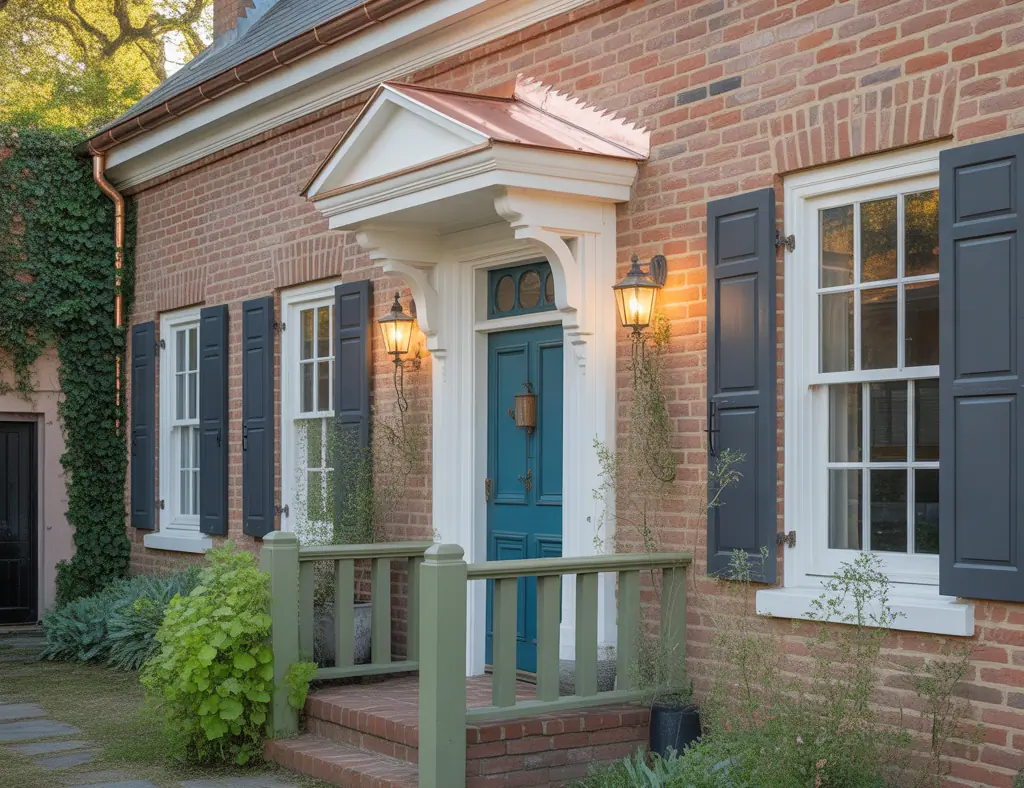
If you want your brick to be the star, choose a subtle, complementary trim. If you want to emphasize windows, doors, and cornices, pick a contrasting accent like black or deep blue. Both approaches are valid—your neighborhood context and resale considerations can help guide the decision.
Popular Trim Color Schemes That Work with Red Brick
Here are proven combinations, with quick reasons why they succeed:
- Crisp White Trim — Clean, classic, brightens the façade and creates sharp lines. Best for colonial, Victorian, or traditional brick homes.
- Soft Cream or Off-White — Warmer than stark white; pairs naturally with red and is forgiving of dirt and age.
- Charcoal or Black — Dramatic contrast that modernizes brick and highlights windows and doors. Great for contemporary updates.
- Deep Navy or Slate Blue — Rich and elegant; works well when you want color without overwhelming the brick’s warmth.
- Muted Greens or Olive — Complements landscaping and gives a grounded, cottage-like aesthetic.
- Natural Wood-Stain Trim — If your trim is wood, consider a clear or tinted stain to add warmth and texture instead of paint.
Accent Tips for Doors, Shutters, and Garage Doors
- Front door as a focal point: choose a bold color (deep teal, classic red, or black) for curb appeal.
- Shutters: match them to trim for cohesion, or choose an accent color that complements the door.
- Garage doors: keep them neutral if they’re large; a bold garage color can overpower if not balanced.
DIY Painting Tips & Step-by-Step: Update Your Trim Like a Pro
Ready to try this yourself? Follow these practical steps to get a durable, professional-looking finish.
- Gather supplies: exterior trim paint (acrylic latex or enamel), primer (if needed), brushes (angled sash brush), small roller, drop cloths, painter’s tape, sandpaper (120–220 grit), wood filler, ladder, and a putty knife.
- Prep the surface: Clean trim with mild detergent and water; remove mildew with a diluted bleach solution. Sand glossy surfaces to promote adhesion. Fill cracks and holes with exterior-grade filler and sand smooth.
- Prime if necessary: Use a stain-blocking primer on bare wood or knotty areas. Many modern paints are paint-and-primer in one, but primer ensures longevity when transitioning from dark to light colors.
- Cut in and paint: Use painter’s tape to protect brick edges if you prefer a crisp border. Cut in with an angled brush and then use a small roller for broad trim surfaces. Two thin coats beat one thick coat for durability and even coverage.
- Final touch-ups: Remove tape while paint is slightly wet to avoid peeling the edge. Inspect for drips and light spots; use a fine brush for precise corrections.
- Maintenance: Inspect trim annually for chips and caulking gaps; touch up as needed to avoid wood rot or long-term peeling.
Design Inspiration & Real-World Advice
Real homeowners often find success by bringing in one accent color and keeping the rest neutral. For example, match trim to porch railings and gutters for a cohesive look. If you’re experimenting, paint a sample board and mount it near the front of the house for a full-day view in different light conditions.
Practical considerations:
- Neighborhood harmony: if your area has an HOA, check guidelines before making bold choices.
- Energy and maintenance: darker trim can absorb heat and show dust less but may fade faster in full sun.
- Try small changes first: start with shutters or the front door, then expand if you love the result.
If you want more hands-on project ideas, check out our DIY projects for step-by-step weekend makeovers, or browse home design ideas for inspiration you can adapt to your brick home. And if you’re updating interior spaces too, our kitchen upgrades guide has complementary palettes that can tie inside and out.
Frequently Asked Questions
1. What is the best trim color for a red brick house?
There’s no one-size-fits-all answer—best choices include crisp white for classic curb appeal, charcoal for modern contrast, and warm cream or taupe for subtle harmony. Match the undertone of your brick and test samples in different light before committing.
2. Can I paint the brick and the trim the same color?
Yes, painting brick and trim the same color can create a unified modern look, but it’s a more permanent change that requires careful prep of masonry and higher maintenance. If you prefer flexibility, paint trim first and try temporary color samples on the brick before painting the entire façade.
3. How do I prevent paint from peeling on exterior trim?
Good surface prep is key: clean, sand, prime as needed, use exterior-grade paint, and paint in mild weather (avoid extreme heat or humidity). Keep caulking in good shape to prevent water intrusion, and touch up chips early to prevent larger failures.
Conclusion — Take the Next Step
Trim colors for red brick house ideas can transform your home’s curb appeal without a full renovation. Start small—try a bold front door or repaint shutters—and use the tips above to plan a bigger update. If you’re ready to get started this weekend, gather your swatches, pick a palette that complements your brick undertone, and tackle the trim with a clear, step-by-step plan.
Want more tailored inspiration? Explore our home design ideas or jump into simple weekend projects with our DIY projects collection. Share a photo of your before-and-after — we’d love to see what you create!