The Art and Science of Changing a House into a Home
Interior design is the intricate art and science of enhancing the interior of a building to create a healthier, safer, and more aesthetically pleasing environment for those who use the space. It’s a holistic discipline that goes far beyond mere aesthetics, encompassing conceptual development, space planning, site inspections, programming, research, stakeholder communication, construction management, and the meticulous execution of a design.
The distinction between interior design and interior decorating is fundamental. While an interior decorator focuses on the surface-level adornment of a space—selecting furniture, fabrics, colors, and accessories—an interior designer digs into the very structure and functionality of an environment. Designers often work with architectural elements, considering technical issues such as window and door placement, acoustics, lighting, and compliance with building codes and regulations. Their expertise ensures that spaces are not only beautiful but also functional, safe, and optimized for human well-being.
The impact of this profession is significant and growing. The global interior design market, valued at USD 147.1 billion in 2022, is projected to reach USD 230.1 billion by 2030, with a robust compound annual growth rate (CAGR) of 5.8% from 2023 to 2030. This growth underscores the increasing recognition of interior design as an essential service that shapes our daily lives.
At its core, interior design is guided by seven fundamental elements that designers expertly manipulate to create cohesive and impactful spaces:
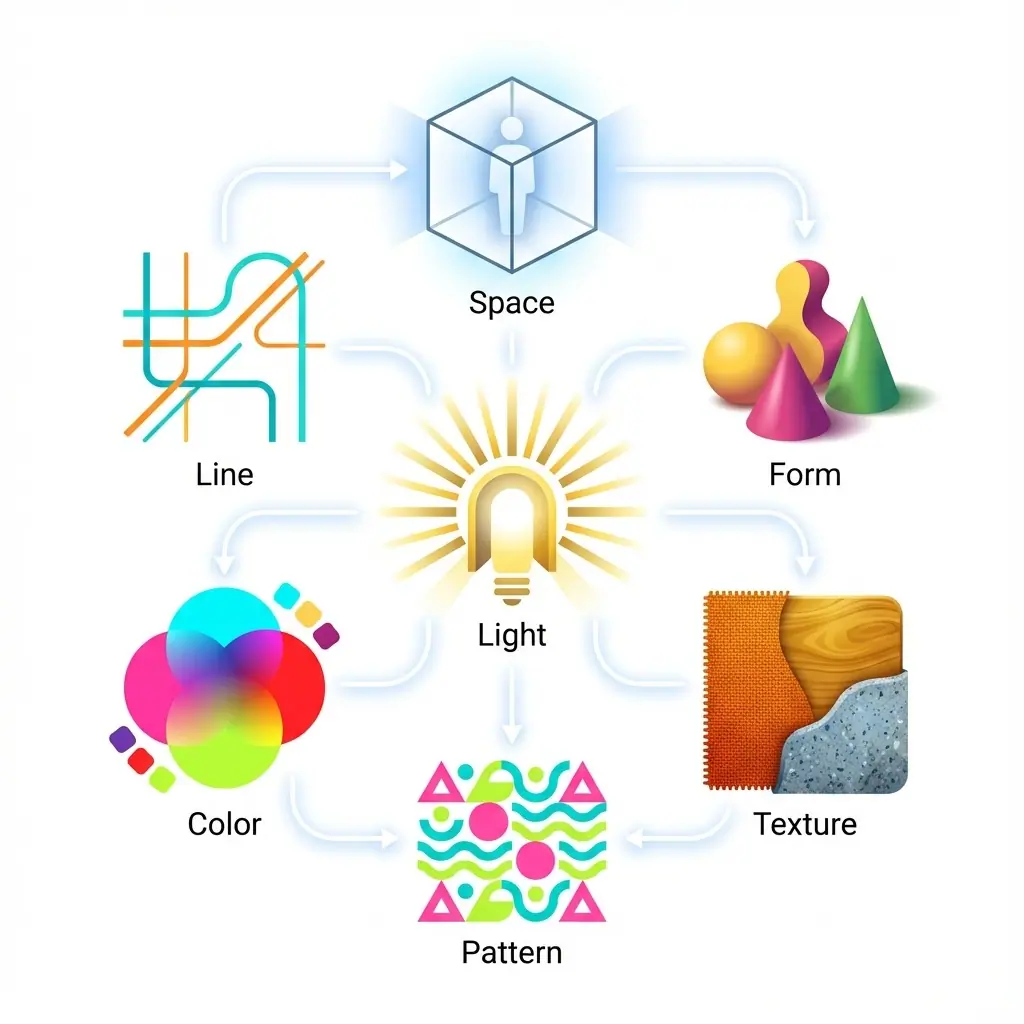
These elements are the building blocks that allow designers to transform a blank canvas into a vibrant, functional, and deeply personal environment.
Mastering the Mood: Actionable Principles for a Cohesive Space
Creating a cohesive and inviting space involves more than just selecting pretty items; it requires a deep understanding of how various elements interact to influence mood and functionality. Professional designers master these interactions through principles like intelligent space planning, strategic color theory, layered lighting, and balanced textural compositions. These actionable principles are vital for crafting spaces that truly resonate. The profound impact of thoughtful interior design extends to every aspect of a home, influencing daily routines and overall psychological well-being.
Creating a Functional Flow with Smart Space Planning
Space planning is arguably the most critical aspect of interior design, as it determines how a room will function and feel. It involves carefully arranging furniture and defining traffic patterns to ensure effortless movement throughout the space. A well-planned layout eliminates awkward bottlenecks and creates a natural, intuitive flow. Designers also consider creating distinct zones within larger open-concept areas, using furniture placement, rugs, or architectural features to delineate living, dining, or work areas without the need for physical walls. The strategic use of negative space—the empty areas around and between objects—is equally important, preventing clutter and allowing the eye to rest. Finally, sight lines are carefully considered to create aesthetically pleasing views and connections between the home’s different areas.
The Power of Palette and Light
Color and light are perhaps the most potent tools in an interior designer’s arsenal, capable of dramatically altering a space’s perception and mood. Color psychology dictates that different hues evoke distinct emotional responses. Warm palettes, featuring reds, oranges, and yellows, can create a sense of coziness and energy, while cool tones like blues, greens, and purples promote tranquility and spaciousness. Accent colors are then introduced to add pops of personality, draw attention to specific features, or create visual interest.
Lighting, too, is layered to serve multiple purposes. Ambient lighting provides overall illumination, often achieved through recessed lights, ceiling fixtures, or natural light from large windows. Task lighting is focused and functional, essential for activities like reading, cooking, or working, and includes under-cabinet lights, desk lamps, or reading sconces. Accent lighting highlights architectural features, artwork, or decorative objects, adding depth and drama to a room. By skillfully combining these lighting layers with a carefully chosen color palette, we can transform an ordinary room into an extraordinary experience that deeply affects the emotional atmosphere.
Layering Textures and Materials for Depth and Warmth
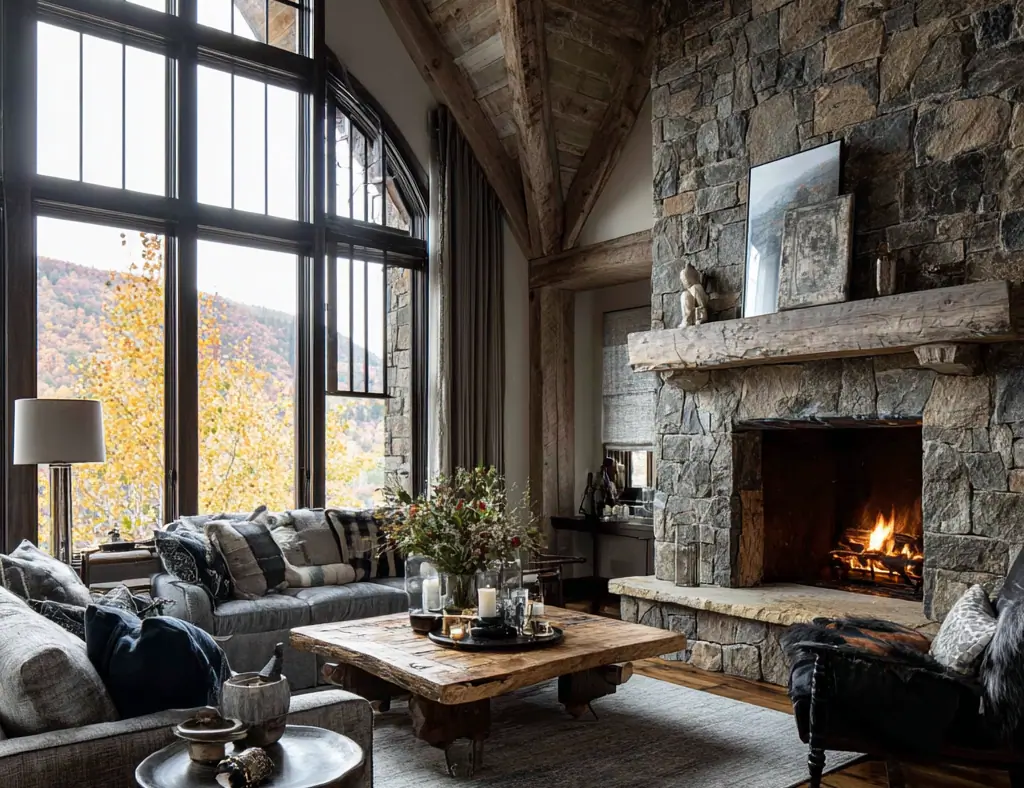
A truly inviting space is rich in tactile and visual textures, achieved by combining a diverse range of materials. This layering adds depth, warmth, and visual interest, preventing a room from feeling flat or sterile. Natural elements such as wood, stone, and various textiles are particularly effective at creating a grounded, authentic feel. Think of the smooth, cool surface of a marble countertop contrasting with the rough, organic feel of a reclaimed wood beam, or the soft drape of linen curtains against a plush velvet sofa. Metals, whether polished brass or matte black, introduce another layer of texture and sheen.
For a cozy living room, consider these five essential textures:
- Boucle: Known for its looped, nubby surface, boucle adds a soft, inviting, and contemporary feel to upholstery or throw pillows.
- Linen: A natural fiber, linen brings a relaxed, breathable, and slightly rustic elegance, perfect for drapes, bedding, or slipcovers.
- Velvet: Luxurious and soft to the touch, velvet adds a touch of opulence and rich depth, ideal for accent chairs or decorative pillows.
- Wood: From polished hardwoods to rustic, unfinished timbers, wood introduces natural warmth, grain, and a sense of permanence.
- Stone: Whether a smooth river stone, a rough-hewn slate, or a polished marble, stone provides a grounding, earthy texture and a connection to nature.
Quick tips for mixing patterns include varying scale (combining large, medium, and small patterns), using a consistent color palette to tie disparate patterns together, and balancing busy patterns with solid textures.
The Professional Difference: Key Investments in Your Interior Design
Starting on an interior design project, whether a full home renovation or a single-room refresh, can be a complex undertaking. This is where the professional difference becomes invaluable. Expert interior designers bring a wealth of knowledge in project management, ensuring timelines are met and budgets are adhered to. They possess the skills to coordinate seamlessly with contractors, architects, and artisans, navigating the intricacies of building codes and regulations. Most importantly, they offer custom solutions tailored to your unique lifestyle and preferences, changing your vision into a tangible reality.
Why Quality Cabinetry is a Cornerstone Investment
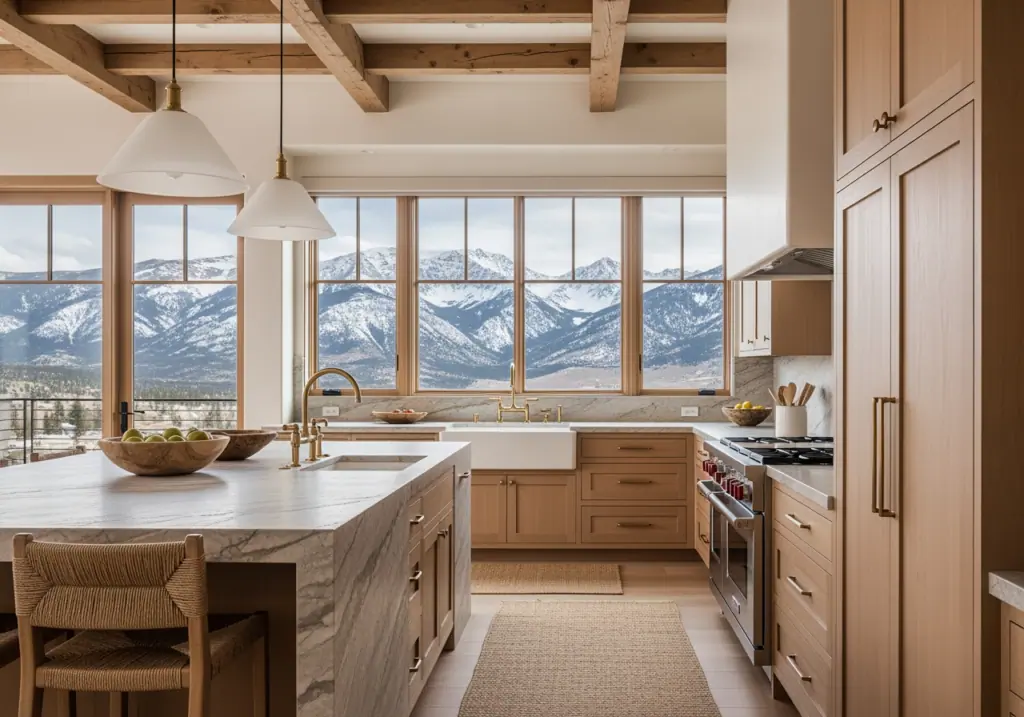
Among the many elements of a home, quality cabinetry stands out as a cornerstone investment, impacting both functionality and aesthetic appeal. In the kitchen, well-designed cabinetry is crucial for efficient workflow and ample storage, making daily tasks smoother and more enjoyable. Similarly, in bathrooms, custom storage solutions can transform cluttered spaces into serene, organized retreats.
The choice of materials, from solid wood to engineered composites, dictates longevity and style. Hardware choices, though seemingly small, can significantly lift the overall look and feel, adding a touch of sophistication or rustic charm. Investing in high-quality cabinetry ensures durability, reduces the need for frequent replacements, and significantly increases your home’s resale value. It’s a foundational element in achieving your Dream Home Interior Design, providing both beauty and lasting utility.
Integrating Timeless Styles with Personal Touches
While trends come and go, certain design styles possess an enduring appeal that transcends fleeting fads. Integrating timeless aesthetics with personal touches allows for a home that feels both current and deeply personal. Modern style, characterized by clean lines, minimalism, and functionality, provides a versatile foundation. Biophilic design, which emphasizes a connection to nature through natural materials, light, and plant life, offers a sense of calm and well-being that is inherently timeless. Traditional elements, such as classic architectural details, refined furniture silhouettes, or antique pieces, can add character and history. The art lies in mixing old and new—pairing a sleek, modern sofa with a vintage wooden console, or incorporating contemporary art into a traditionally styled room. This eclectic approach creates a rich, layered aesthetic that tells a story and evolves with you.
Popular Interior Design Styles and Future-Forward Trends
The world of interior design is constantly evolving, influenced by technological advancements, environmental consciousness, and shifting societal values. Today, we see a strong emphasis on sustainable design, with a focus on integrating eco-friendly materials and energy-efficient solutions. Technology integration is also paramount, with smart home systems becoming increasingly common. Wellness in design, focusing on creating spaces that promote physical and mental health, is a guiding principle for many designers.
To illustrate the diversity of popular styles, here’s a comparison of three distinct approaches:
Style Key Features Atmosphere
Minimalist, Clean lines, uncluttered spaces, neutral color palettes, functional furniture, emphasis on light and open space. Calm, serene, spacious, orderly.
Maximalist Rich colors, varied textures, layered patterns, eclectic furniture, abundant decor, personal collections, bold art. Vibrant, expressive, rich, personal, often playful.
Japandi Fusion: a blend of Japanese minimalism and Scandinavian warmth; natural materials (wood, bamboo), neutral colors, clean lines, and a focus on craftsmanship. Harmonious, peaceful, cozy, functional, understated elegance.
Timeless Aesthetics: Finding Your Enduring Style
Certain design aesthetics have proven their staying power, offering a foundation that can be adapted and personalized without becoming dated.
Art Deco, with its geometric forms, luxurious materials, and glamorous finishes, evokes a sense of sophisticated elegance.
Mid-Century Modern celebrates clean lines, organic shapes, and functional simplicity, often incorporating wood, metal, and glass.
Modern Farmhouse blends rustic charm with contemporary comfort, featuring natural wood, white palettes, and cozy textures.
Biophilic Design, which integrates natural elements and patterns into the built environment, is increasingly recognized as a timeless approach that fosters well-being and a deep connection to the outdoors. Creating a seamless flow to outdoor spaces, blurring the lines between interior and exterior, is a key aspect of this enduring style, enhancing natural light and ventilation.
Trends to Watch: What’s Next in Interior Design
Looking ahead to 2025 and beyond, several exciting trends are shaping the future of interior design. We anticipate a continued acceptance of curved furniture, offering softer, more organic silhouettes that create a sense of comfort and fluidity. Bold color choices are making a strong comeback, moving away from sterile neutrals towards deeper, richer hues that tell a story and evoke emotion. Color drenching, in which an entire room (walls, ceiling, trim) is painted in a single color, creates immersive, dramatic spaces.
There’s a growing demand for sustainable materials, including recycled, upcycled, and locally sourced options, reflecting increased environmental awareness. Natural stone, such as quartzite, travertine, and marble, will be preferred over synthetic alternatives, celebrated for its unique patterns and inherent durability. Finally, smart home integration will become even more seamless, with technology subtly woven into the home’s fabric to enhance convenience, security, and energy efficiency.
Frequently Asked Questions about Interior Design
While “trends” are, by definition, cyclical, certain approaches and elements have proven consistently enduring. The most timeless interior design trend is arguably traditional style, not in a rigid, historical sense, but as an approach that values classic proportions, comfort, and quality craftsmanship. This often translates to the use of natural materials like solid wood, stone, and metals that develop a beautiful patina over time, adding character and integrity. Good craftsmanship ensures longevity and a sense of permanence that transcends fleeting fads. These elements create spaces that feel grounded, authentic, and welcoming, regardless of the decade.
Starting an interior design project on a budget requires strategic planning and creativity. We recommend these steps:
Start with a plan: Define your goals, style preferences, and a realistic budget before buying anything.
Focus on one room: Tackle one space at a time to avoid feeling overwhelmed and to manage costs effectively.
DIY projects: Accept do-it-yourself tasks like painting, hanging artwork, or simple furniture assembly.
Paint: A fresh coat of paint is one of the most transformative and cost-effective changes you can make.
Thrifting and upcycling furniture: Hunt for unique pieces at second-hand stores, flea markets, or online marketplaces, and give them a new life with paint, new hardware, or upholstery.
Rearrange existing furniture: Sometimes, simply reconfiguring your current layout can make a huge difference.
The primary difference lies in scope and depth. Interior design is a regulated profession that involves the planning, functional design, and effective use of interior spaces. Designers often deal with structural elements, space planning, building codes, safety regulations, acoustics, and lighting systems. Their work ensures a space is not only aesthetically pleasing but also safe, functional, and optimized for its occupants’ needs. It requires technical knowledge and often involves collaboration with architects and contractors.
Interior decorating, on the other hand, focuses primarily on enhancing a space’s aesthetics. Decorators select and arrange furniture, accessories, color schemes, fabrics, and finishes to create a desired look or mood. They do not typically alter structural elements or deal with building systems. While both professions aim to create beautiful spaces, interior design takes a broader, more technical, and more functional approach to making them.
Conclusion
Our homes are deeply personal reflections of who we are, and their design profoundly impacts our daily lives. From the foundational principles of space planning and color psychology to the enduring appeal of timeless styles and the excitement of future trends, interior design is a dynamic field dedicated to enhancing human experience. We’ve explored how thoughtful design can transform a house into a sanctuary, and how strategic investments, particularly in quality cabinetry, contribute to both functionality and lasting value.
The journey to creating a space you truly love can be complex, but the rewards are immeasurable. Whether you’re starting on a major renovation or simply seeking to refresh a single room, the value of professional guidance cannot be overstated. By understanding the art and science behind interior design, you are empowered to make informed choices that will shape your environment for years to come. It’s about crafting spaces that not only look exceptional but also foster well-being, comfort, and joy.
If you want to know about 11 Modern Home Upgrades That Add Value and Convenience then visit our Interior Design category.
For more ideas on how to personalize your workspace, check out Ideas for Desk Decor.
For more home decor ideas, check out our Home Decor Inspo.
For more ideas on how to transform your bathroom into a work of art, check out Transform Your Space: The Ultimate Guide to Bathroom Posters.
For more tips on transforming your bathroom into a functional and stylish space, check out this article: Transform Your Bathroom.