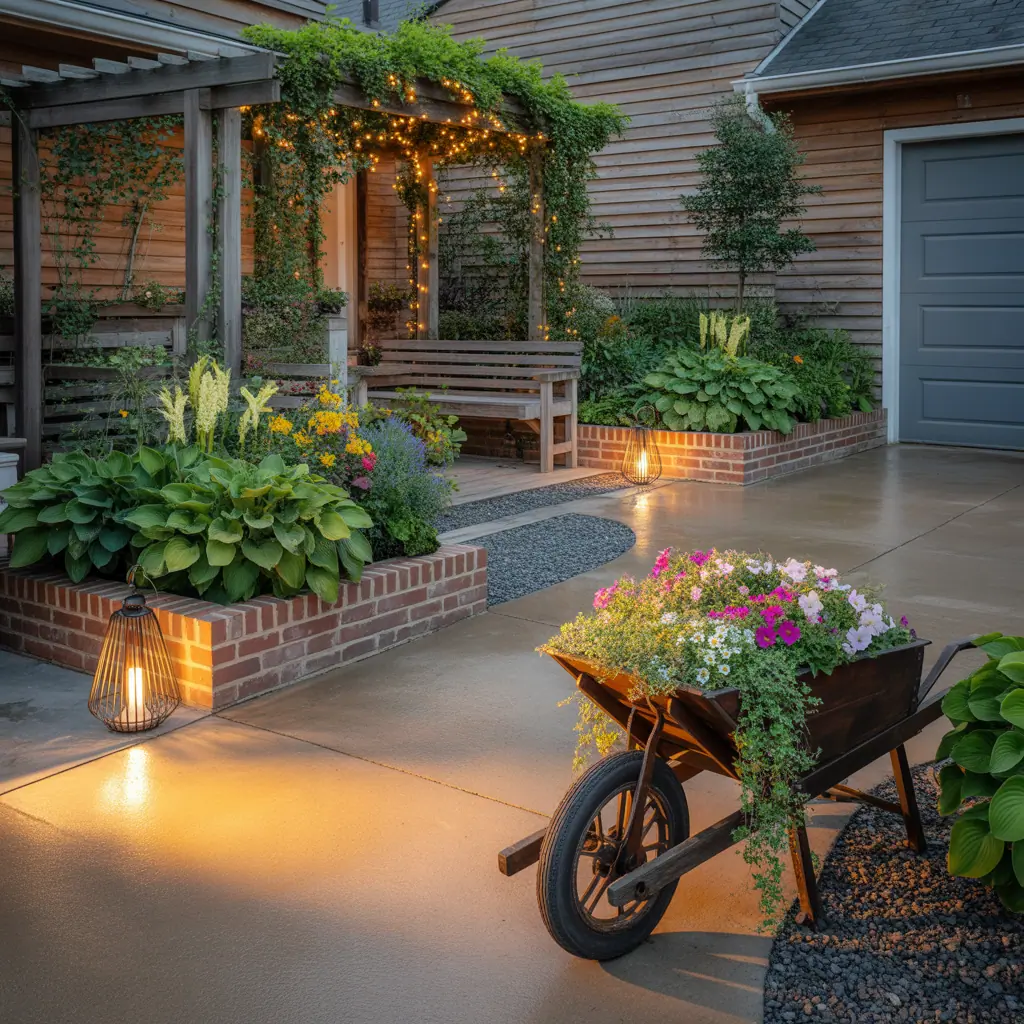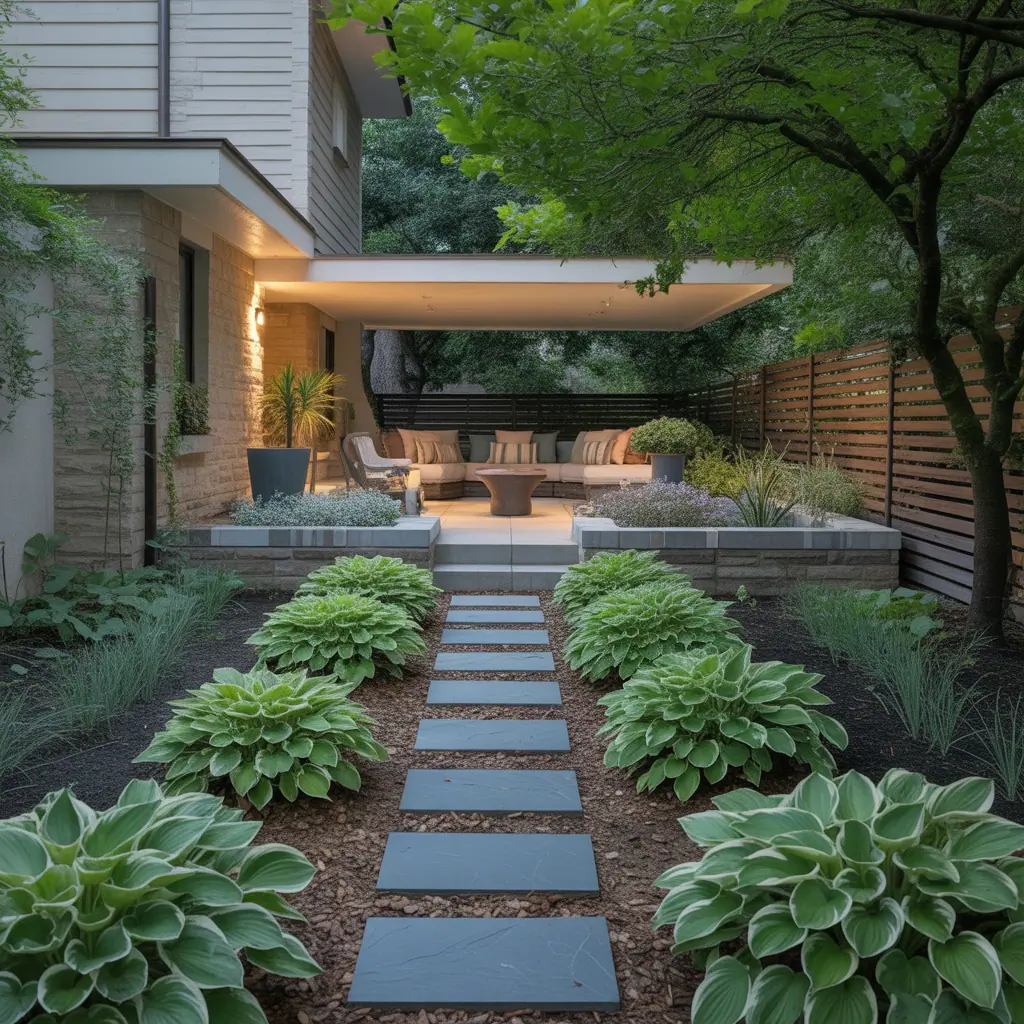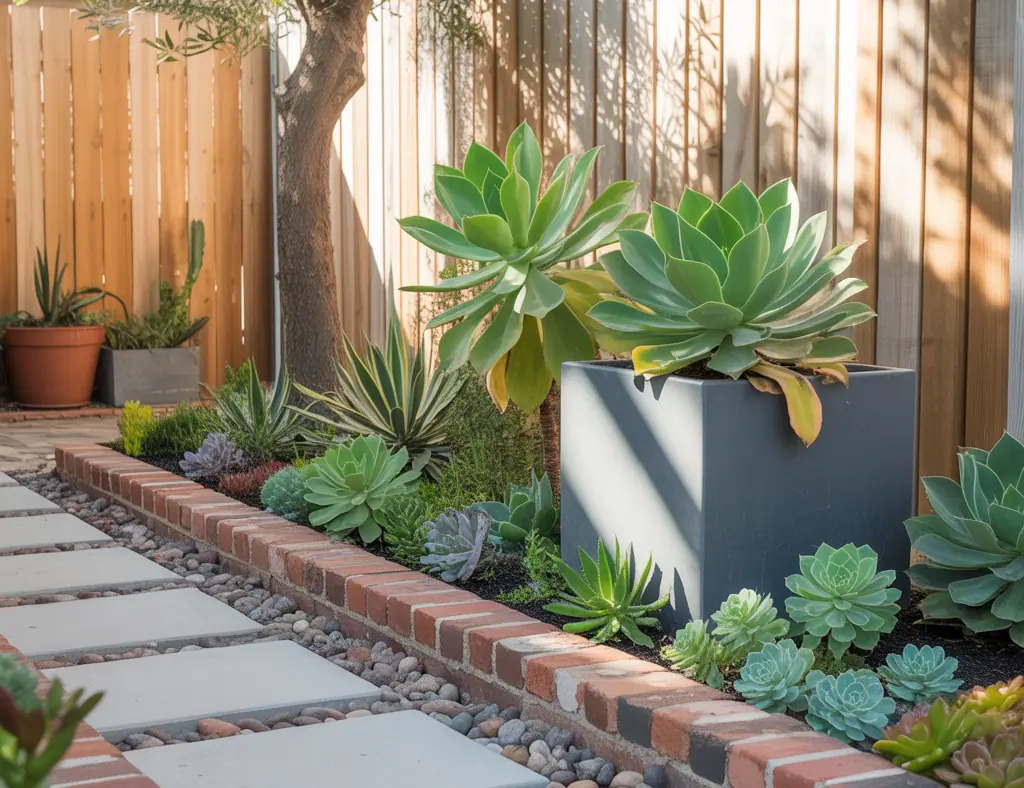
Have you stared at a tired, thirsty lawn and wondered if there’s a low-maintenance, high-impact makeover that won’t break the bank? Imagine replacing brown grass with a vibrant, drought-tolerant display that impresses neighbors and frees up your weekends. A front yard succulent garden outdoor is the perfect solution: stylish, water-wise, and surprisingly simple for DIYers.
Why choose a front yard succulent garden outdoor?
Succulents are champions of modern landscaping for good reason. These drought-resistant plants offer texture, color, and architectural interest without the constant watering and mowing a traditional lawn demands. If you’re interested in xeriscaping, low-water landscaping, or a container-friendly curb appeal upgrade, a succulent garden delivers major rewards with minimal upkeep.
Design planning: match style, scale, and climate
Before you grab a shovel, take 30 minutes to plan. Good design prevents headaches and creates a cohesive front yard that complements your home’s architecture.
Assess site conditions
- Sun exposure: Most succulents prefer full sun to part shade.
- Soil drainage: Succulents need well-draining soil—sandy or amended with grit.
- Slope and runoff: Use terraces or rock beds to manage water flow.
Choose a style
Decide whether you want a formal succulent border, a wild Mediterranean look, a minimalist Japanese-inspired rock garden, or mixed containers along a walkway. Consider repeating one or two color palettes to create unity—silvers and blues for coastal, warm reds and golds for desert vibes.
Step-by-step DIY guide to installing your succulent front yard
Follow these practical steps to transition from planning to a finished, functional landscape:
- Clear the area: Remove grass, weeds, and debris. For larger areas, use a sod cutter or sheet mulching (cardboard + compost) to smother grass.
- Improve drainage: Amend heavy clay with coarse sand, pumice, or small gravel to prevent root rot. Aim for a loose, gritty mix.
- Lay out hardscape: Install pathways, boulders, or raised beds first. Use stepping stones or decomposed granite for structure and foot traffic.
- Arrange plants: Group succulents by size and water need. Plant taller varieties toward the back, trailing types near edges, and rosettes as focal points.
- Planting technique: Dig holes slightly wider than the root ball, set plants at the same depth they were in their pots, and backfill with amended soil.
- Mulch smartly: Top-dress with decorative gravel or pebbles to retain moisture and reduce weeds. Avoid organic mulches that hold too much water.
- Watering-in: Give a deep, initial soak, then allow the soil to dry between waterings. Transition to an infrequent drip irrigation schedule if desired.
Best succulents for a front yard (drought-tolerant picks)
Select hardy, cold-tolerant or heat-tolerant species based on your zone. Here are reliable choices for various climates:
- Agave (architectural focal points)
- Aloe (flowering variety for texture)
- Echeveria (compact rosettes for massing)
- Sedum (groundcover and spilling varieties)
- Sempervivum / Hens and Chicks (cold-hardy accents)
- Crassula (medium-sized shrubs)
Styling, hardscaping, and curb appeal ideas
Mix hardscape elements with plants to enhance structure and make the garden usable and attractive year-round.
Hardscaping tips
- Use boulders and gravel beds to create contrast and protect shallow-rooted succulents.
- Install low retaining walls or raised planters to add dimension and define planting zones.
- Build a focal point—an agave, a sculptural pot, or a simple bench—to draw the eye.
Container and pathway ideas
Containers allow for flexible layouts—great for renters or seasonal swaps. Pair succulents with contrasting pots and arrange along walkways to frame your entry. For pathways, decomposed granite or crushed stone complements succulent textures and helps with drainage.
Maintenance: keep it simple and sustainable
One of the best benefits of a front yard succulent garden outdoor is the low-maintenance routine. Key tasks include:
- Seasonal pruning and deadheading spent blooms.
- Spot-weeding and removing invasive seedlings.
- Checking soil moisture and adjusting irrigation for rainy vs. dry seasons.
- Dividing overcrowded clumps to maintain healthy growth and propagate new plants.
Design inspiration: combinations that work
Try these combos for distinctive looks:
- Coastal: silver-leaved succulents + driftwood + sand-colored gravel.
- Desert modern: large agave focal points + red rock + rusted metal planters.
- Mediterranean: mixed succulents + terracotta pots + lavender accents.
Frequently Asked Questions
1. Can a succulent front yard survive in rainy climates?
Yes, with proper drainage and selecting species that tolerate more moisture. Elevate beds, use gritty soil mixes, and avoid water-retaining mulches.
2. How do I prevent pests and rot in succulents?
Inspect plants regularly, avoid overwatering, and ensure good airflow between plants. Remove any mushy or discolored leaves promptly and treat scale or mealybugs with physical removal or targeted sprays.
3. Will a succulent garden increase my home’s curb appeal?
Absolutely. A thoughtfully designed succulent landscape can boost curb appeal by offering year-round interest, low upkeep, and a modern, eco-friendly aesthetic that appeals to buyers and visitors.
Conclusion: start your front yard succulent garden outdoor today
Turning a thirsty lawn into a dynamic, drought-tolerant front yard succulent garden outdoor is one of the most satisfying DIY projects you can tackle. With a little planning, the right plants, and smart hardscaping, you’ll create curb appeal that lasts while saving water and time. Ready to get your hands dirty? Check out more step-by-step ideas on our DIY projects page and explore aesthetic tips on our home design ideas page. Share your plans or ask questions below — I’d love to help you design a front yard that makes you proud.
Call to action: Gather your tools, sketch your layout, and start with one bed or a few containers this weekend—then come back and tell us how it went.