Have you ever stood in a room and felt like something’s off — the layout, the lighting, or just the vibe — but didn’t know where to start? Maybe you’re staring at a dated living area, a cramped bedroom, or an awkward corner that wastes square footage. Whether you’re tackling a budget-friendly room refresh or planning a more ambitious renovation, this guide will walk you through practical, real-world DIY tips and step-by-step improvement ideas to make your space look and feel better fast.
Why a Room Refresh Matters (and Why You Can Do It Yourself)
Small changes to a room can have a huge impact on how your home functions and how you feel living in it. From improving natural light to rearranging furniture for better flow, many upgrades don’t require a contractor — just a plan, basic tools, and the confidence to try. This article will help you prioritize changes, stick to a budget, and get results that look professional.
Room refresh: Step-by-step makeover plan
Use this step-by-step approach whether you’re updating a bedroom, living room, or a multipurpose space. It’s designed for DIYers of all skill levels.
1. Define the goal and measure the space
- Decide the room’s primary purpose (rest, work, play, storage).
- Measure length, width, height, window/door locations, and electrical outlets.
- Create a simple floor plan on paper or a free room-planning app.
2. Set a realistic budget and timeline
- Break costs into paint, materials, furniture, lighting, and tools.
- Allocate a small contingency (10–15%) for unexpected expenses.
- Plan weekend-friendly projects (paint, trim, lighting swaps) and longer projects (flooring, custom built-ins).
3. Paint and color strategy
One of the fastest ways to change the mood of a room is with paint. Consider these tips:
- Use light, warm neutrals to make small rooms feel larger.
- An accent wall or painted trim adds depth without a full repaint.
- Test paint swatches on multiple walls and observe them at different times of day.
Practical DIY tips for big impact
Here are targeted improvements that deliver professional-looking results without breaking the bank.
Improve lighting in a room
- Layer lighting: ambient (overhead), task (reading lamps), and accent (wall or picture lights).
- Swap out heavy curtains for sheer panels to maximize daylight.
- Install dimmers to control mood and energy use.
Optimize layout and furniture placement
- Float furniture away from walls to create flow and conversation areas.
- Use multi-functional furniture — ottomans with storage, fold-down desks for small rooms.
- Anchor seating with an appropriately sized rug to define zones.
Smart storage and decluttering
- Add floating shelves or vertical storage to use wall space effectively.
- Use clear bins and label containers for closets and pantries.
- Declutter in three piles: keep, donate, and recycle — tackle one category at a time to stay focused.
Design inspiration: styles and finishing touches
Pick a cohesive style and repeat a few key elements to create harmony in the room. Here are a few ideas to try:
- Scandinavian: clean lines, pale wood, cozy textiles, green plants.
- Modern farmhouse: shiplap accent, warm neutrals, mixed metals.
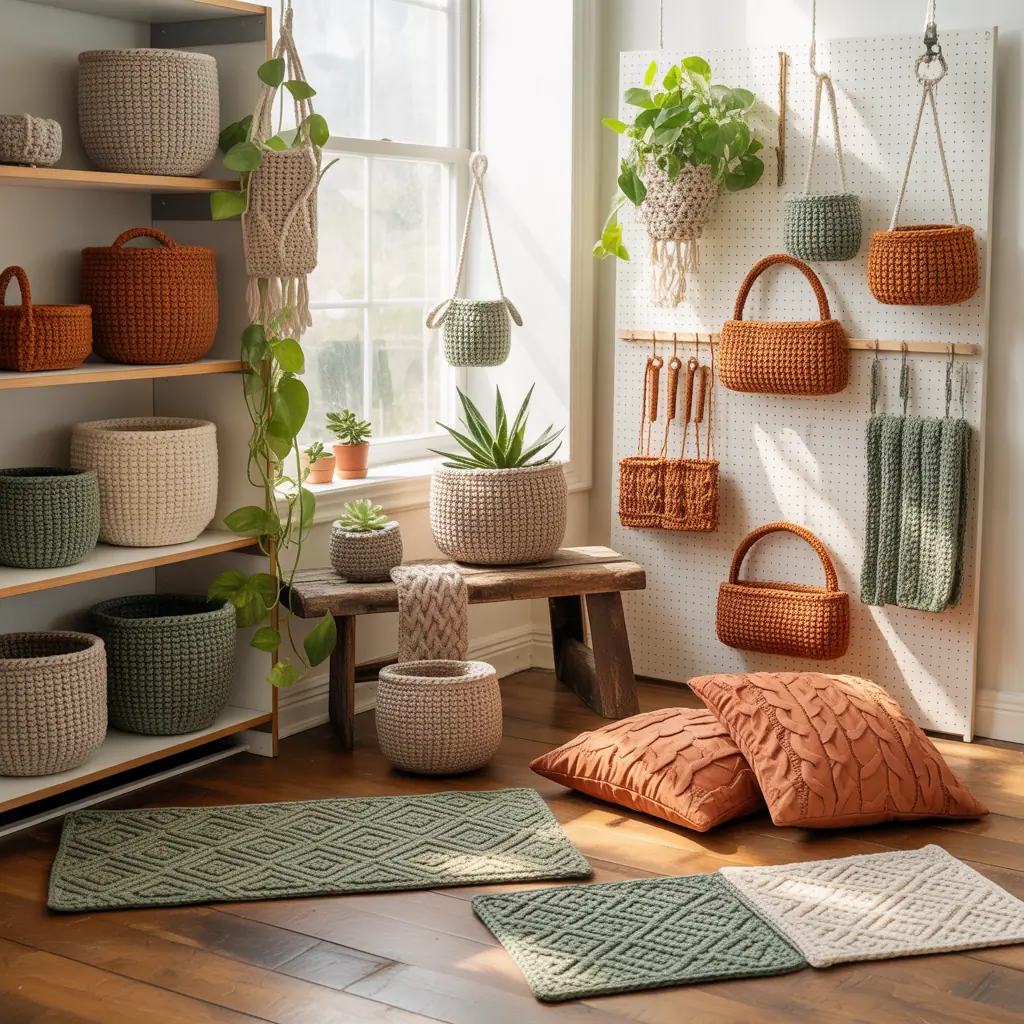
- Boho: layered rugs, eclectic art, macramé and woven textures.
Affordable finishing touches
- Update hardware on cabinets and doors for a quick style refresh.
- Add trim or molding to plain walls to elevate the look without a full renovation.
- Swap out throw pillows and add a statement light fixture to change the atmosphere instantly.
Real-world advice: common pitfalls and how to avoid them
From poor measurements to ignoring lighting, these real-life mistakes can derail a room project — and they’re easy to avoid.
- Measure twice: furniture returns are a hassle; measure doorways and stair treads before buying large items.
- Don’t skimp on lighting: ambiance makes or breaks a room.
- Think long-term: choose durable materials for high-traffic areas to avoid frequent replacements.
Tools and materials checklist
Most room projects require a small set of versatile tools. If you don’t own something, consider borrowing or renting:
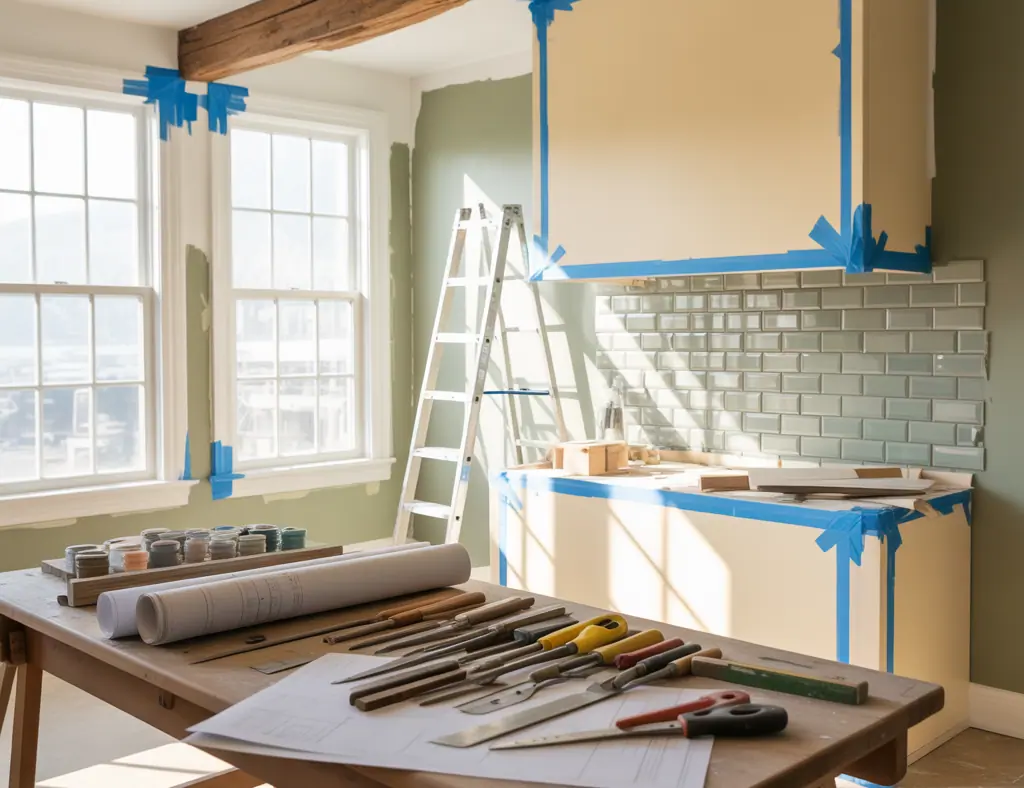
- Paint rollers, brushes, drop cloths, painter’s tape
- Measuring tape, level, stud finder
- Power drill, screwdriver set, utility knife, hammer
- Basic safety gear: gloves, goggles, dust mask
Frequently Asked Questions
1. How can I make a small room look bigger?
Use light paint colors, maximize natural light, choose appropriately scaled furniture, and keep clutter to a minimum. Vertical storage and mirrors also help create the illusion of space.
2. How much does a typical room refresh cost?
Costs vary widely based on scope. A budget-friendly refresh (paint, new lighting, decor) can run $200–$1,000. A mid-range renovation (flooring, built-ins) might be $1,000–$7,000. Always add a 10–15% contingency to your budget.
3. When should I hire a pro instead of DIY?
Hire a professional for structural changes, major electrical or plumbing work, and anything that affects building codes or safety. For cosmetic updates, painting, shelving, and basic carpentry, DIY is often safe and cost-effective.
Wrap-up: take action and transform your room
Ready to turn that nagging corner or dated room into a space you love? Start small: pick one weekend project (paint a wall, swap a light fixture, or add storage) and build momentum from there. If you want more project ideas and step-by-step tutorials, check out our DIY projects and browse inspiration on home design ideas. For kitchen or adjacent space updates, consider these focused kitchen upgrades that flow into room improvements.
Take measurements, plan your budget, and pick a weekend to get started — you’ll be surprised how much a few targeted DIY changes can transform your room. Share your before-and-after photos and tips with fellow DIYers to inspire others!