Key Takeaways
- Consistent plumbing maintenance prevents expensive and disruptive problems.
- Simple inspection and cleaning routines can catch small issues before they worsen.
- Professional assessments provide a second line of defense against hidden plumbing issues.
Maintaining your home’s plumbing system is not just about fixing problems as they arise. Instead, it is about proactive care that ensures daily comfort while preventing unexpected disruptions and expensive repairs later. Plumbing maintenance is crucial for extending the life of your pipes and fixtures, improving system efficiency, and protecting your home from water damage.
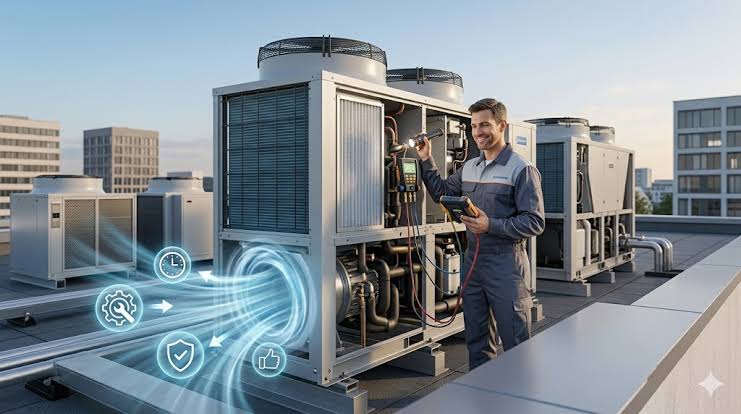
Regular inspections, cleaning, and timely repairs can make a significant difference in maintaining your home’s plumbing health. Overlooking small tasks can lead to major headaches, as seemingly minor issues may quickly turn into costly repairs or water damage if not addressed promptly. Understanding the basics of plumbing maintenance empowers homeowners to act before problems escalate, saving both time and money in the long run. When more complex issues arise, relying on master-licensed HVAC property maintenance property management with proactive maintenance professionals can help ensure your home’s essential systems are properly inspected, maintained, and repaired. Their expertise in residential property maintenance helps homeowners protect their investment through comprehensive services and proactive solutions that support the long-term performance of plumbing, HVAC, and other critical home systems.
A preventive maintenance approach also supports household efficiency, leading to less waste and lower utility bills. For those overseeing several properties or large homes, LionsGate Property Management ensures the plumbing system is always performing at its best and helps avoid costly surprise repairs across multiple units.
Preventing Costly Repairs
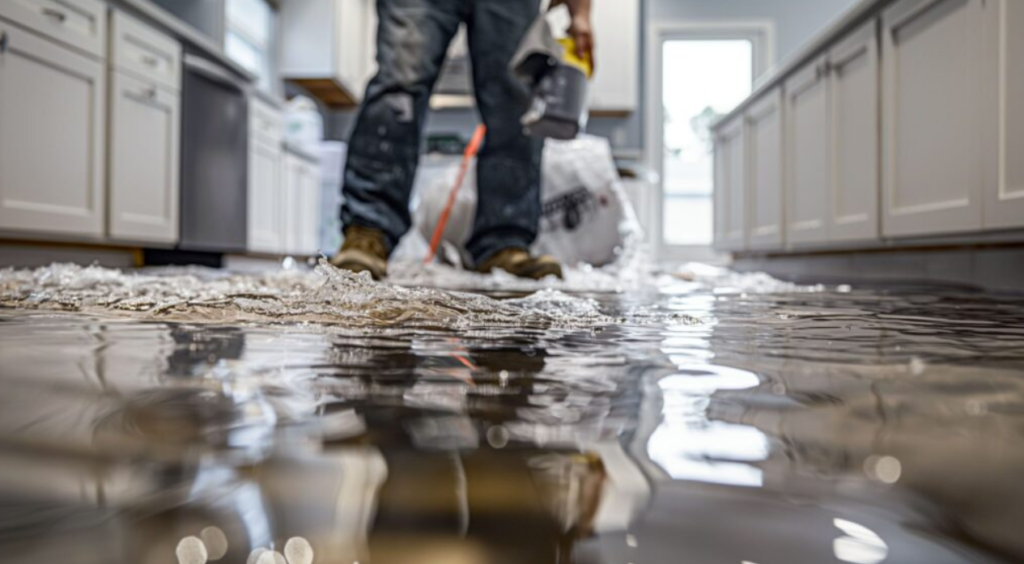
Unchecked plumbing issues, such as minor leaks or slow drains, may not seem urgent but can quickly spiral into serious problems. Water from an unnoticed leak can seep into walls or floors, causing water damage, mold growth, and even structural deterioration. Scheduling regular inspections allows homeowners to catch and address these concerns early, mitigating the risk of major repairs and maintaining the integrity of the home. Homeowners and landlords alike can also benefit from property management with proactive maintenance, which emphasizes routine inspections, preventive repairs, and ongoing system upkeep to minimize unexpected issues and protect long-term property value. As noted in HGTV’s plumbing maintenance guide, simple habits like prompt leak repairs and keeping drains clear can significantly reduce the risk of costly plumbing emergencies.
Enhancing System Efficiency
Routine maintenance is vital for ensuring each part of the plumbing system operates at top performance. Periodic cleaning of faucet aerators and showerheads helps to maintain optimal water pressure and quality. Flushing sediment from water heaters improves heat transfer and energy efficiency, helping lower monthly utility bills. Keeping these components clean and clear also ensures your family consistently enjoys adequate hot water and dependable system performance.

In addition to routine cleaning, homeowners should be mindful of what goes down their drains. Avoid flushing items that don’t break down easily, such as wipes or feminine hygiene products, as they can clog pipes and cause serious blockages. Grease, oils, and food particles should never be washed down the kitchen sink, as they can solidify inside the pipes and reduce water flow over time. Installing drain strainers in sinks and showers is an affordable precaution that prevents hair and debris from causing slow drains or clogs. By staying attentive to these everyday habits, you’re adding an extra layer of protection to your plumbing system and ensuring it remains trouble-free for years to come.
Extending the Lifespan of Plumbing Components
Plumbing systems are designed to last for decades, but their lifespan can be cut short if regular care is ignored. By checking pipes for signs of corrosion and ensuring washers, seals, and fittings are snug and secure, homeowners can avoid premature replacement of expensive components. Staying proactive not only avoids unpleasant emergencies but also keeps your investment in top shape for years to come. For more details on boosting the longevity of home systems, Better Homes & Gardens’ home maintenance checklist provides a comprehensive overview.
Keeping an eye on your home’s water pressure is also essential. High water pressure might feel great in the shower, but it puts unnecessary strain on your pipes, connectors, and fixtures, potentially leading to leaks or burst pipes. Installing a pressure regulator can help maintain safe water pressure and extend the life of your home’s entire plumbing network. Combine this with periodic checks for hidden leaks, such as examining walls for unexpected staining or listening for running water when all fixtures are off. Recognizing these warning signs early can mean the difference between a simple fix and a costly repair down the road.
Maintaining Water Quality
Over time, water pipes can accumulate debris, sediment, rust, and bacteria, which can negatively affect the taste and safety of your water. Regular care, such as flushing your water heater and cleaning accessible sections of your plumbing, is key to maintaining clean, safe drinking water. Homeowners with older plumbing, in particular, should consider water quality checks to ensure pipes are not contributing potential contaminants to the household supply.
Additionally, installing water filtration systems or point-of-use faucet filters can further improve the taste and purity of your drinking water. For those living in areas with hard water, periodically descaling faucets and showerheads prevents mineral buildup that could restrict water flow and shorten the lifespan of fixtures. Regular monitoring and maintenance of your home’s plumbing system not only protects water quality but also promotes the health and safety of everyone in the household.
Recommended Maintenance Schedule
Maintenance routines do not have to be burdensome. By following a simple schedule, homeowners can cover all the essentials with minimal effort:
- Monthly: Perform quick checks under sinks and near toilets for leaks or moisture accumulation. Test water pressure to catch decreases early.
- Quarterly: Clean debris from faucet aerators and showerheads. Inspect exposed sections of pipe for corrosion, rust, or damage.
- Annually: To catch hidden issues, schedule a plumbing inspection with a licensed professional. Flush your water heater to remove sediment buildup for efficient operation.
Remember that the weather can play a significant role in your home’s plumbing health as well. In colder climates, take proactive measures to insulate exposed pipes before winter sets in to prevent freezing and bursting. If your home will be unoccupied for an extended period, consider shutting off the main water supply or draining the system to avoid water damage from unexpected failures. These additional steps are especially important for vacation homes or rental properties that might be empty in colder seasons.
Additional Plumbing Maintenance Tips
Incorporating plumbing maintenance into your regular home care routine does not always require a large budget or advanced skills. For instance, familiarize yourself with the location of your main water shut-off valve and ensure everyone in the home knows how to access it in case of emergency. Quick action during a burst pipe or other water-related crisis can dramatically reduce the damage and repair costs. Create a checklist and store any plumbing tools, such as a plunger, pipe wrench, and plumber’s tape, where they can be easily found.
If you have a basement or crawlspace, check these areas periodically for any signs of moisture or pooling water. Musty smells, watermarks, or mold growth may indicate slow leaks or condensation from poor pipe insulation. Early detection of minor leaks and dampness gives you a chance to resolve issues before they escalate into costly repairs or structural damage.
Don’t forget about exterior faucets and irrigation systems. These are vulnerable to weather changes and are often overlooked until a problem arises. In the fall, drain any outdoor hoses and shut off water to exterior spigots to prevent freezing. Inspect sprinkler systems at least once a year for leaks or malfunctioning valves, as wasted water can raise your bills and, over time, erode your foundation or yard.
Additionally, stay informed about local building codes and plumbing regulations, especially if you are planning renovations or major repairs. In some cases, simple upgrades—such as replacing old galvanized pipes with newer materials like PEX or copper—can dramatically improve the reliability and safety of your home’s water supply.
When to Call a Professional
While many maintenance tasks can be managed by homeowners, some plumbing challenges require the expertise of a licensed professional. Persistent clogs, signs of water damage, major drops in water pressure, or any obvious leaks all warrant a call to a plumber. Promptly bringing in a professional helps avoid escalated issues, gives access to advanced diagnostic tools, and ensures repairs are handled safely and thoroughly.
In addition, a professional plumber can provide valuable advice on upgrading aging fixtures and making your plumbing system more eco-friendly. Whether you are considering energy-efficient appliances, low-flow toilets, or smarter leak detection options, experts can help tailor solutions to your home’s unique layout and needs. Relying on trusted professionals ensures your maintenance routines are as effective as possible, keeping your plumbing system running smoothly year-round.
Conclusion
Consistent plumbing maintenance helps protect property, ensure water quality, and prevent costly emergencies. Regular checks and knowing when to call experts minimize problems, preserving home comfort, safety, and value. Periodic audits from licensed contractors can spot hidden issues and update your system with new technology like smart leak detectors and water-saving fixtures. Educating household members about small leak signs encourages shared responsibility, making maintenance a routine that benefits long-term home health.
Apart from that if you want to know about the article Best Goose Down Comforter for Every Bed, then please visit our Home Appliances Category.