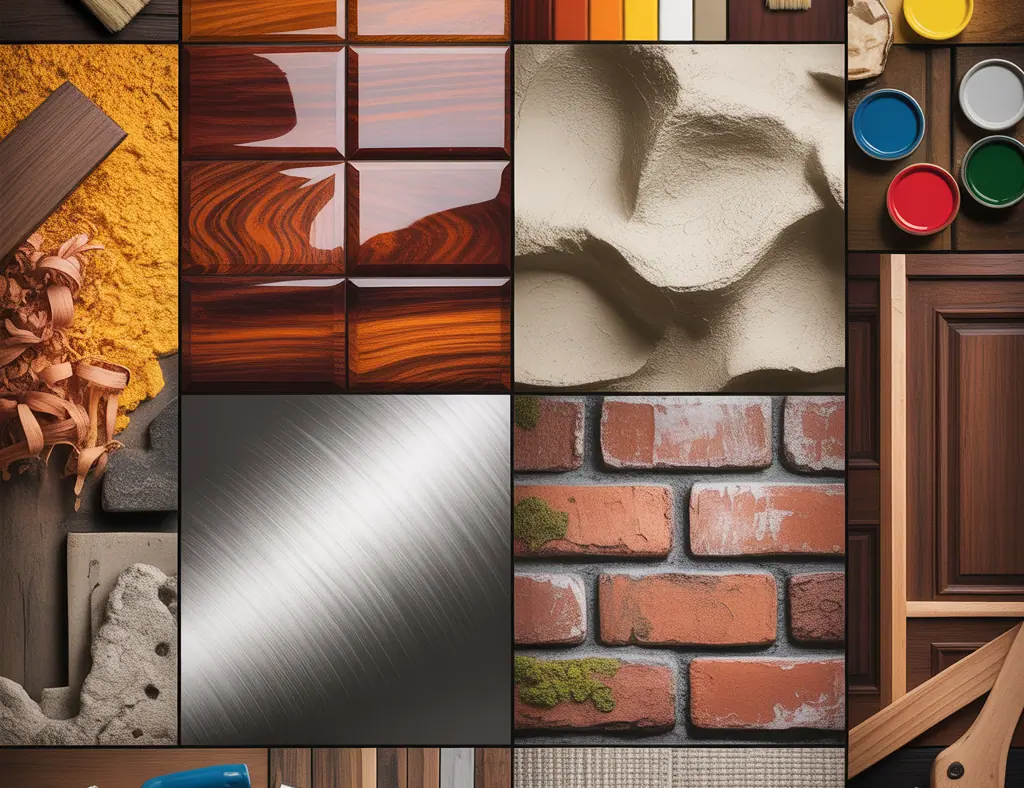
Ever stood in front of a blank wall and thought it needed more than paint—something that you can feel as well as see? Maybe your living room feels cold, your hallway echoes, or your gallery wall lacks personality. If that sounds familiar, tactile finishes and texture art can turn that flat space into a focal point without a full renovation.
Why texture art matters (and why it’s easier than you think)
Texture adds depth, warmth, and visual interest to any room. From cozy bedrooms to modern entryways, textured wall art and sculptural panels break monotony and create movement. The best part? Many texture art ideas are perfect for weekend DIYers—no need for professional plasterers or expensive materials. With simple tools like a palette knife, modeling paste, and some creative thinking, you can make layered, high-impact pieces that fit your style and budget.
Simple texture art ideas to try this weekend
These beginner-friendly projects use accessible materials and minimal tools. Each one is a great place to start if you’re new to tactile wall decor.
1. Modeling paste textured canvas
- Materials: stretched canvas, acrylic modeling paste, palette knife, acrylic paints.
- How-to: spread modeling paste in thick, sweeping strokes with a palette knife. Let dry, then apply color washes to highlight ridges.
- Tip: use stencils or combs for repetitive patterns like waves or grass.
2. Fabric and yarn relief art
- Materials: linen or burlap stretched over a frame, assorted yarns, fabric scraps, hot glue.
- How-to: arrange layers of fabric and yarn in contrasting heights and textures to create a tactile landscape. Secure with hot glue.
- Tip: choose a monochrome palette for a modern look or mixed colors for boho charm.
3. Corrugated cardboard panel
- Materials: cut cardboard strips, adhesive, paint or metallic leaf.
- How-to: glue layered cardboard strips to a backing board in geometric or organic forms. Paint and seal.
- Tip: this is a budget-friendly alternative to wood slats that still creates striking shadows.
Intermediate and advanced texture art ideas
If you have a bit more time or want something architectural, try these more involved projects. They work well as focal points above mantels or behind beds.
4. Plaster relief panel
- Materials: gypsum plaster or joint compound, wooden panel, trowel, sealant.
- How-to: apply plaster in layered passes, carving or sculpting texture while it cures. Sand selectively to soften peaks and valleys, then paint or whitewash.
- Pro tip: practice textures on cardboard before committing to the final panel.
5. Clay tile mosaic
- Materials: air-dry clay or kiln-fired tiles, glaze or paint, backing board.
- How-to: shape tiles with varying relief (ridges, dimples), let dry, then arrange into a grid or organic collage. Mount on a sturdy board.
- Design idea: create a repeating pattern in neutral tones for a spa-like bathroom accent.
6. Mixed-media metal and wood sculpture
- Materials: reclaimed wood, thin metal sheets, screws, patina spray.
- How-to: layer materials at different depths to cast shadows. Use screws or brackets to create a floating effect.
- Real-world advice: anchor heavy pieces to studs and pre-drill mounting holes for safety.
Step-by-step: Create a textured gallery wall
This project blends several texture art ideas into a cohesive arrangement that can update a hallway or living room.
- Plan the layout on the floor—mix canvases, small plaster panels, and textile pieces for contrast.
- Choose a unifying color palette (e.g., warm neutrals or cool blues) to tie different textures together.
- Mount the largest piece first, then work outward. Use picture-hanging hardware rated for each piece’s weight.
- Adjust spacing until the composition feels balanced—aim for 2–4 inches between pieces for an intimate grouping.
- Step back and tweak lighting; adjustable wall washers or directional track lights make textured pieces pop.
Materials, tools, and smart shopping tips
Gathering the right supplies makes texture art projects go faster and look more professional.
- Essentials: palette knives, modeling paste, joint compound, stretched canvases, adhesive, hot glue gun, sandpaper.
- Optional upgrades: texture rollers, molding tools, plaster trowels, patina sprays, sealants.
- Shopping tips: buy small sample sizes of compound to test textures; repurpose scrap wood and fabric to keep costs low.
Design inspiration: where textured art works best
Think beyond the living room—texture art can enhance many spaces.
- Entryways: a tactile panel adds a welcoming first impression.
- Bedrooms: soft fabric hangings bring warmth and reduce echo.
- Kitchens and dining areas: a small plaster relief or metal piece can anchor a breakfast nook—especially when paired with backsplash textures and cabinetry finishes.
- Bathrooms: glazed clay tiles or sealed plaster panels add spa-like depth.
If you love hands-on upgrades, check out more DIY projects or get ideas for focused kitchen upgrades and broader home design ideas to integrate textured elements into a full-room plan.
Texture Art Ideas FAQ
1. What is the easiest texture art project for beginners?
Start with a modeling paste textured canvas. It’s forgiving, requires minimal tools, and you can experiment with strokes, stencils, and paint washes until you find a look you love.
2. How do I hang heavy textured panels safely?
Always use hardware rated for the weight—screws into studs, heavy-duty picture hangers, or a French cleat system. For very heavy or large pieces, consider professional installation.
3. Can textured art be used in humid rooms like bathrooms?
Yes, but choose moisture-resistant materials: sealed plaster, ceramic or glazed clay tiles, treated wood, or sealed mixed-media pieces. Apply a waterproof sealant and avoid raw fabrics or untreated cardboard in humid spaces.
Conclusion — Start creating your own texture art today
Texture art ideas open a creative doorway between simple decor and full-scale renovation. Whether you try a quick modeling paste canvas or build a dramatic plaster panel, small tactile projects deliver big visual impact. Pick one project, gather your materials, and spend a weekend experimenting—your walls will thank you.
Ready to get started? Browse more DIY projects for step-by-step tutorials, or explore kitchen upgrades and home design ideas to see how texture can transform an entire room. Share your finished pieces or ask for advice in the comments—I’d love to help you plan your next textured masterpiece.