Core Principles of Eco-Friendly Home Maintenance
Adopting eco-friendly home maintenance isn’t just a trend; it’s a commitment to a healthier lifestyle and a sustainable future. At its heart, this approach prioritizes prevention, minimizes environmental impact, and promotes the well-being of inhabitants. We understand that a truly clean home is one that is free from both pests and harmful chemicals.
The core principles guiding our eco-friendly philosophy include:
- Non-Toxic and Biodegradable Solutions: We advocate for cleaning products and pest control treatments that break down naturally, leaving no harmful residues behind. This protects your family, pets, and the wider ecosystem.
- Resource Efficiency: From water conservation in cleaning routines to energy-efficient pest detection methods, we strive to reduce the overall resource footprint of home maintenance.
- Waste Reduction: Minimizing waste starts with durable tools, refillable containers, and choosing products with minimal packaging. In pest control, this means preventing infestations rather than constantly disposing of traps or chemical waste.
- Preventative Care: The most sustainable approach to pest management is to prevent problems before they start. This involves regular inspections, sealing entry points, and addressing conditions that attract pests.
- Habitat Modification: By altering the environment around and within your home, we can make it less appealing to pests. This includes managing moisture, reducing clutter, and maintaining landscaping.
Essential green maintenance tools often involve simple yet effective items like microfiber cloths, reusable spray bottles, and natural cleaning agents such as vinegar and baking soda. For pest prevention, tools like caulking guns, door sweeps, and mesh screens are invaluable. By integrating these principles, we create a resilient and healthy living space.
Implementing an Integrated Pest Management Strategy
An Integrated Pest Management (IPM) strategy is the cornerstone of eco-friendly pest control. It’s a holistic, long-term approach that focuses on pest prevention and uses a combination of techniques to manage pest populations, minimizing risks to people and the environment. Rather than relying solely on chemical treatments, IPM emphasizes understanding the pest’s life cycle and environment to find the most effective and least hazardous solutions.
Our IPM strategy involves several key steps:
- Proactive Suppression: Identifying and addressing conditions that attract pests before they become a problem.
- Monitoring: Regularly inspecting for pest activity to catch infestations early.
- Mechanical Controls: Utilizing physical methods like traps, barriers, and exclusion techniques.
- Sanitation: Maintaining a clean environment to remove food sources and harborage.
This comprehensive approach is why many homeowners choose a specialized annual pest control plan. Such plans are designed to provide continuous protection by adapting to seasonal pest behaviors and ensuring consistent monitoring and treatment. For those seeking a sustainable solution for their home, exploring an Eco-friendly annual pest plan can offer peace of mind and long-term effectiveness.
To illustrate the difference, consider the following comparison:
Integrated Pest Management (IPM) vs. Reactive Extermination
Feature Integrated Pest Management (IPM) Reactive Extermination Approach Proactive, preventative, long-term Reactive, short-term fix Focus Pest prevention, habitat modification, minimal pesticide use Eliminating existing infestation, often with heavy chemicals Pesticide Use Targeted, least-toxic options, only when necessary Broad-spectrum, often as a primary solution Risk to Health Minimized due to reduced chemical exposure Potentially higher due to widespread chemical application Environmental Impact Low, emphasizes sustainable practices Higher, potential for chemical runoff and non-target effects Effectiveness Sustainable, reduces recurrence, addresses root causes Quick knockdown, but often temporary if root causes aren’t addressed The Role of Eco-Friendly Home Maintenance in Pest Prevention
Eco-friendly home maintenance plays a pivotal role in preventing pest infestations by creating an undesirable environment for them. This involves a series of practical, non-chemical measures that form the first line of defense.
- Exclusion: The most effective way to keep pests out is to prevent them from entering. This means meticulously sealing cracks and crevices in foundations, walls, and around utility pipes.
- Caulking and Weatherstripping: Gaps around windows and doors are common entry points. Applying caulk and installing weatherstripping can effectively block these access points.
- Moisture Control: Many pests, including cockroaches, silverfish, and termites, are attracted to moisture. Fixing leaky pipes, ensuring proper ventilation in bathrooms and attics, and dehumidifying damp basements can significantly reduce pest appeal.
- Drainage: Poor exterior drainage can lead to standing water, which attracts mosquitoes and creates damp conditions near the foundation, inviting other pests. Ensuring gutters are clean and downspouts direct water away from the home is crucial.
- Vegetation Management: Keeping shrubs, trees, and other vegetation trimmed and away from the house removes bridges for pests like ants, rodents, and spiders to access your home. Mulch should also be kept a few inches away from the foundation.
- Entry Points: Beyond cracks and gaps, pay attention to less obvious entry points such as unscreened vents, damaged window screens, and openings around chimneys. Repairing or screening these areas is essential.
By consistently implementing these eco-friendly maintenance practices, we significantly reduce the likelihood of pests taking up residence in your home, making any necessary pest control treatments more effective and less intensive.
Comprehensive Coverage and Year-Round Protection
An annual pest control plan is designed to provide comprehensive coverage against a wide array of common household pests, ensuring your home remains protected throughout the year. These plans typically target pests that are prevalent in residential areas and can cause nuisances or potential health risks.
Common household pests typically covered by an annual plan include:
- Ants: From pavement ants to odorous house ants, these social insects are relentless in their search for food and can quickly establish colonies indoors.
- Spiders: While most spiders are harmless, many homeowners prefer to keep them out. Plans often cover common house spiders and help manage populations of more concerning species like black widows or brown recluse spiders.
- Rodents: Mice and rats seek shelter and food, especially during colder months, and can cause significant damage and spread diseases.
- Cockroaches: These resilient pests are notorious for spreading bacteria and triggering allergies. Annual plans focus on prevention and elimination.
- Stinging Insects: Wasps, hornets, and yellow jackets can build nests near homes, posing a threat to residents. Plans often include treatment for nests in accessible areas.
- Silverfish: These nocturnal insects feed on starches and can damage books, paper, and clothing.
- Centipedes and Millipedes: Attracted to damp environments, these arthropods are often found in basements or crawl spaces.
A comprehensive plan aims to address these and other seasonal invaders, ensuring that treatments are tailored to the specific pests active during different times of the year. This proactive approach helps to suppress pest populations before they become full-blown infestations, providing continuous protection and peace of mind. For a detailed look at how these plans work to keep your home pest-free, consider reviewing resources on pest control maintenance plans.
Seasonal Cycles and Proactive Care
Pests don’t follow human calendars; their activity is dictated by environmental factors, breeding cycles, and the availability of food and shelter. Understanding these seasonal cycles is vital for effective, proactive pest control. Our approach recognizes that pests have distinct habits throughout the year, influenced by local climate zones and weather patterns.
Many pests enter a breeding cycle during warmer months, leading to population explosions. As temperatures drop, many seek overwintering sites, often inside our homes. This constant ebb and flow of pest activity necessitates a dynamic and responsive annual plan.
We consider that there are essentially “six seasons” of pest activity, rather than just four human seasons. This conceptual infographic illustrates how pest control strategies adapt to these cycles:
The Six Seasons of Pest Activity
- Swarm Season (Early Spring): Warming weather signals pests like termites and ants to emerge and seek new nesting areas. Proactive treatments focus on creating barriers and monitoring for initial activity.
- Breeding Season (Late Spring/Early Summer): As summer approaches, many pests, including mosquitoes and cockroaches, begin mating and rapidly reproducing. Services during this time protect homes from growing populations.
- High Season (Summer): The peak of pest activity. Warm temperatures mean pests are abundant and active. Extra precautions are taken to protect homes from troublesome summer pests like wasps, spiders, and ants.
- Prep Season (Early Fall): As cooling weather sets in, pests begin preparing for winter. This is a critical time to seal entry points and apply exterior treatments to prevent winter invasions.
- Invader Season (Late Fall/Early Winter): Cold outside temperatures drive pests like rodents, spiders, and overwintering insects indoors, seeking warmth and shelter. Treatments focus on interior protection and exclusion.
- Shelter Season (Winter): Pests that have found their way inside are now hiding out until winter passes. Monitoring and targeted treatments help manage these hidden invaders.
Long-Term Benefits of Eco-Friendly Home Maintenance
Investing in eco-friendly home maintenance and an annual pest control plan offers far-reaching benefits that extend beyond immediate pest eradication. This proactive and sustainable approach contributes significantly to the overall health and longevity of your home and the well-being of its occupants.
- Structural Integrity: Pests like termites, carpenter ants, and rodents can cause extensive damage to the structural components of your home. Consistent monitoring and preventive measures safeguard your property from costly repairs, preserving its value.
- Health and Safety: Many common household pests are disease vectors, carrying bacteria, viruses, and allergens. Cockroaches and rodents can contaminate food and surfaces, while their droppings and shed skins can trigger asthma and allergies. By maintaining a pest-free environment, we drastically reduce these health risks.
- Allergen Reduction: A significant benefit of minimizing pests is the reduction of allergens in the home. Pest activity contributes to indoor allergens, and a comprehensive plan helps keep these levels low, creating a healthier indoor environment, especially for those with sensitivities.
- Consistent Monitoring: Annual plans provide regular inspections and treatments, ensuring that any new pest activity is detected and addressed promptly. This consistent monitoring is key to preventing small issues from escalating into major infestations.
- Sustainable Results: Unlike reactive, one-time treatments that offer temporary relief, an annual plan focuses on sustainable pest management. By understanding pest biology and seasonal patterns, treatments are optimized for long-term effectiveness, leading to lasting results and fewer pest problems over time.
By integrating these practices, we ensure a home that is not only free from pests but also healthier, safer, and more resilient for years to come.
Adapting to Environmental Changes
The dynamic nature of pest activity means that an effective annual pest control plan must be adaptable. Pest behaviors are intrinsically linked to environmental changes, making a one-size-fits-all approach insufficient. Our strategy is designed to respond to these shifts, targeting pests when they are most vulnerable or most likely to invade.
As we discussed, the concept of “six seasons” for pests highlights this adaptability:
- Swarm Season: As temperatures rise in spring, many social insects like ants and termites begin their reproductive swarms. Our focus shifts to identifying and treating these emerging threats, preventing new colonies from establishing near or within your home.
- Breeding Season: The warmer, more humid conditions of late spring and early summer are ideal for rapid pest reproduction. Treatments during this period are geared towards interrupting breeding cycles and managing burgeoning populations of insects like mosquitoes and cockroaches.
- High Season: The peak of summer brings heightened activity for nearly all pests. This phase demands robust exterior barriers and targeted treatments to manage the increased pressure from ants, spiders, stinging insects, and other warm-weather pests.
- Prep Season: When autumn arrives, pests begin to prepare for winter. This is a crucial time for preventative measures, sealing off potential entry points, and applying treatments that deter pests from seeking overwintering shelter inside your home.
- Invader Season: As temperatures drop significantly, pests like rodents, spiders, and various overwintering insects actively seek warmth indoors. Our strategy focuses on interior protection, trapping, and exclusion to prevent these cold-weather invaders from establishing themselves.
- Shelter Season: During the coldest months, pests that have successfully infiltrated homes remain hidden. Monitoring and targeted interior treatments are essential to manage these hidden populations and prevent them from emerging in the spring.
This adaptive, seasonal approach ensures that your home receives the most effective pest control at precisely the right time, maximizing protection and minimizing the need for reactive interventions.
Sustainable Cleaning and Indoor Air Quality
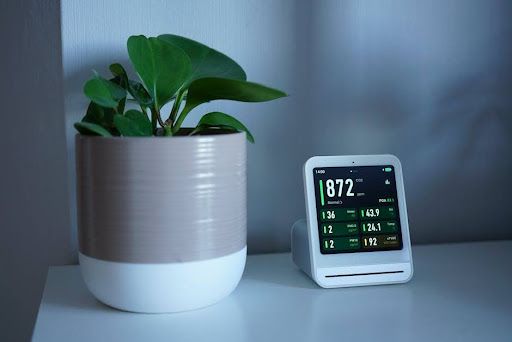
Beyond pest control, sustainable cleaning practices are integral to maintaining a healthy home environment and improving indoor air quality. The products we use and the methods we employ directly impact the air we breathe and the surfaces we touch.
Our commitment to sustainable cleaning includes:
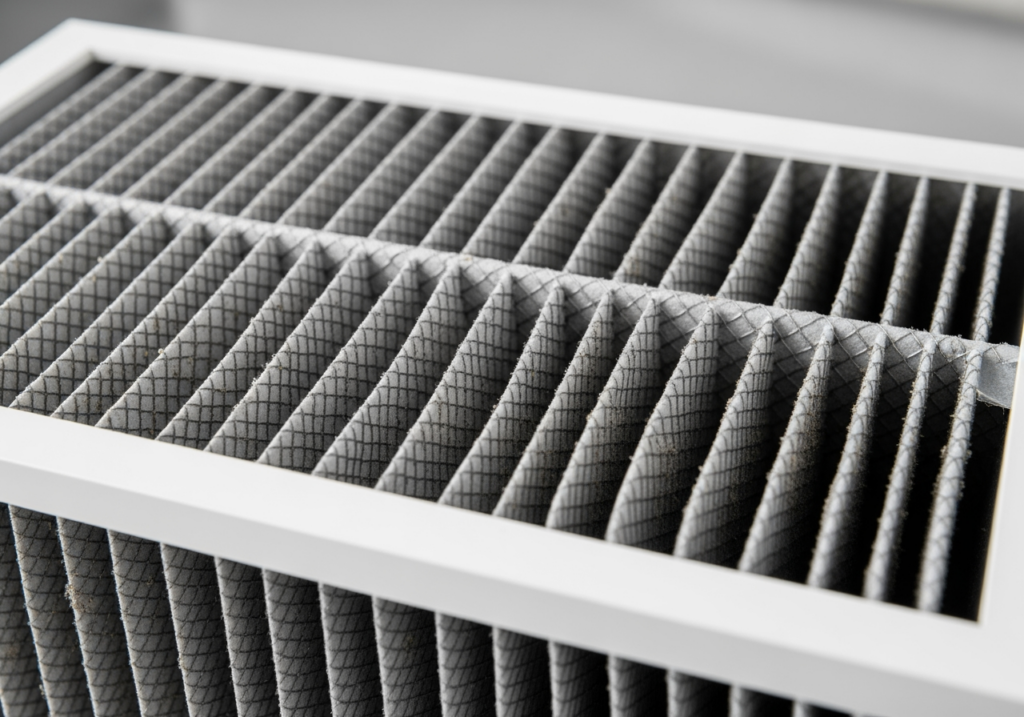
- HEPA Filtration: Utilizing vacuum cleaners with High-Efficiency Particulate Air (HEPA) filters effectively captures dust, allergens, pet dander, and microscopic pest debris, preventing them from recirculating in the air.
- VOC Reduction: Volatile Organic Compounds (VOCs) found in many conventional cleaning products can degrade indoor air quality and pose health risks. We advocate for natural, low-VOC alternatives to minimize exposure.
- Natural Disinfectants: Harnessing the power of natural disinfectants like vinegar, hydrogen peroxide, and essential oils can effectively sanitize surfaces without introducing harsh chemicals.
- Microfiber Technology: Microfiber cloths are highly effective at trapping dirt, dust, and microbes, often requiring less water and cleaning solutions. This reduces both chemical use and water waste.
- Indoor Pollutants: Sustainable cleaning helps reduce a wide range of indoor pollutants, including dust mites, mold spores, and residues from pesticides or cleaning agents.
- Ventilation: Proper ventilation is key to fresh indoor air. Regularly opening windows, using exhaust fans in kitchens and bathrooms, and ensuring HVAC systems are well-maintained helps circulate air and remove pollutants.
- Cross-Contamination Prevention: Using separate cleaning cloths for different areas (e.g., kitchen, bathroom) and washing them regularly prevents the spread of bacteria and germs throughout the home.
By integrating these practices, we not only achieve a visibly clean home but also foster an environment where the air is purer, and the risk of exposure to harmful substances is significantly reduced.
Conclusion
Embracing sustainable practices for modern home maintenance and cleaning, particularly through an annual pest control plan, is a powerful step towards creating a healthier, safer, and more resilient living environment. By prioritizing prevention, utilizing eco-friendly solutions, and adapting our strategies to the natural cycles of pests, we move beyond reactive measures to achieve long-term value and environmental stewardship.
This holistic care approach not only protects your home from unwanted invaders but also safeguards your family’s health by reducing exposure to harmful chemicals and improving indoor air quality. Investing in a comprehensive, year-round plan is an investment in the future-proofing of your home, ensuring it remains a comfortable and healthy sanctuary for years to come. We believe that a truly clean home is one that harmonizes with nature, providing peace of mind and contributing to a sustainable world.
Apart from that, if you want to know more about A Guide to Choosing the Right Home Cleaning Service then visit our Cleaning category.
Frequently Asked Questions about Eco-Friendly Home Maintenance
We often receive questions about how our eco-friendly approach aligns with effective home maintenance and pest control. Here are some common inquiries:
The distinction between proactive pest control and reactive extermination is fundamental to our philosophy. Reactive extermination is typically a short-term fix, focused on eliminating an existing pest infestation, often using chemical treatments. It’s like putting out a fire after it has already started. While it can provide immediate relief, it doesn’t always address the root cause of the infestation, leading to potential recurrence.
In contrast, proactive pest control, particularly through an Integrated Pest Management (IPM) strategy, is a sustainable management approach. It involves identifying and addressing the conditions that attract pests, implementing preventive measures, and continuously monitoring for early signs of activity. This strategy aims for long-term population suppression, minimizing the need for intensive treatments. It’s about preventing the fire in the first place, or containing it before it spreads, using methods that are safer for your family and the environment.
A sustainable maintenance plan, especially for pest control, should be a living document that is regularly reviewed and adjusted. We recommend an annual review of your overall home maintenance plan to assess its effectiveness and incorporate any new insights or changes in your home’s environment.
For pest control specifically, seasonal adjustments are crucial. As pest activity fluctuates throughout the year, the focus of treatments and inspections will shift. Most annual pest control plans involve inspection frequency that ranges from quarterly visits to bi-monthly monitoring. Quarterly visits are often considered the minimum recommendation for keeping most homes pest-free, while more frequent visits may be necessary for severe infestations, persistent pest issues, or in warmer, wetter climates. This regular cadence ensures that your home is continuously protected and that any emerging pest issues are addressed promptly.
Yes, reputable pest control companies offering annual service plans typically provide guarantees or warranties to ensure customer satisfaction and ongoing protection. These often include a satisfaction guarantee, meaning that if you’re not happy with the service, the company will take steps to address your concerns.
A common feature is a re-treatment policy, where if pests return between your regularly scheduled services, the company will come back to treat your home free of charge, anytime. This service warranty provides continuous protection and peace of mind, knowing that your investment in an annual plan covers you throughout the year. It’s always wise to review the specific terms and conditions of any guarantee with your chosen provider to understand what is covered and for how long.