Ever stepped into your sunroom on a wet spring morning and winced at warped boards, cold tiles, or a fuzzy rug that attracts every bit of tracked-in dirt? Choosing the right sunroom flooring idea can feel like a balancing act between aesthetics, durability, and practicality—especially when the room sees direct sunlight, moisture from plants, and heavy foot traffic. If you’re planning a remodel or a weekend DIY refresh, this guide will walk you through the best materials, step-by-step installation tips, and design inspiration to get your sunroom looking and functioning great year-round.
Why the right floor matters in a sunroom
Sunrooms are unique: they’re flooded with sunlight, exposed to temperature swings, and often act as a bridge between indoors and outdoors. That means the best sunroom flooring idea needs to address:
- UV resistance (to prevent fading)
- Dimensional stability (resistance to warping from heat and moisture)
- Slip resistance (especially if the floor gets wet from plant watering)
- Insulation and comfort during colder months
- Easy maintenance for high-traffic and pet-friendly households
Sunroom flooring idea: Best materials at a glance
Below are proven options for sunroom floors, ranked by durability, maintenance, and style flexibility.
Porcelain or ceramic tile (best for durability and UV resistance)
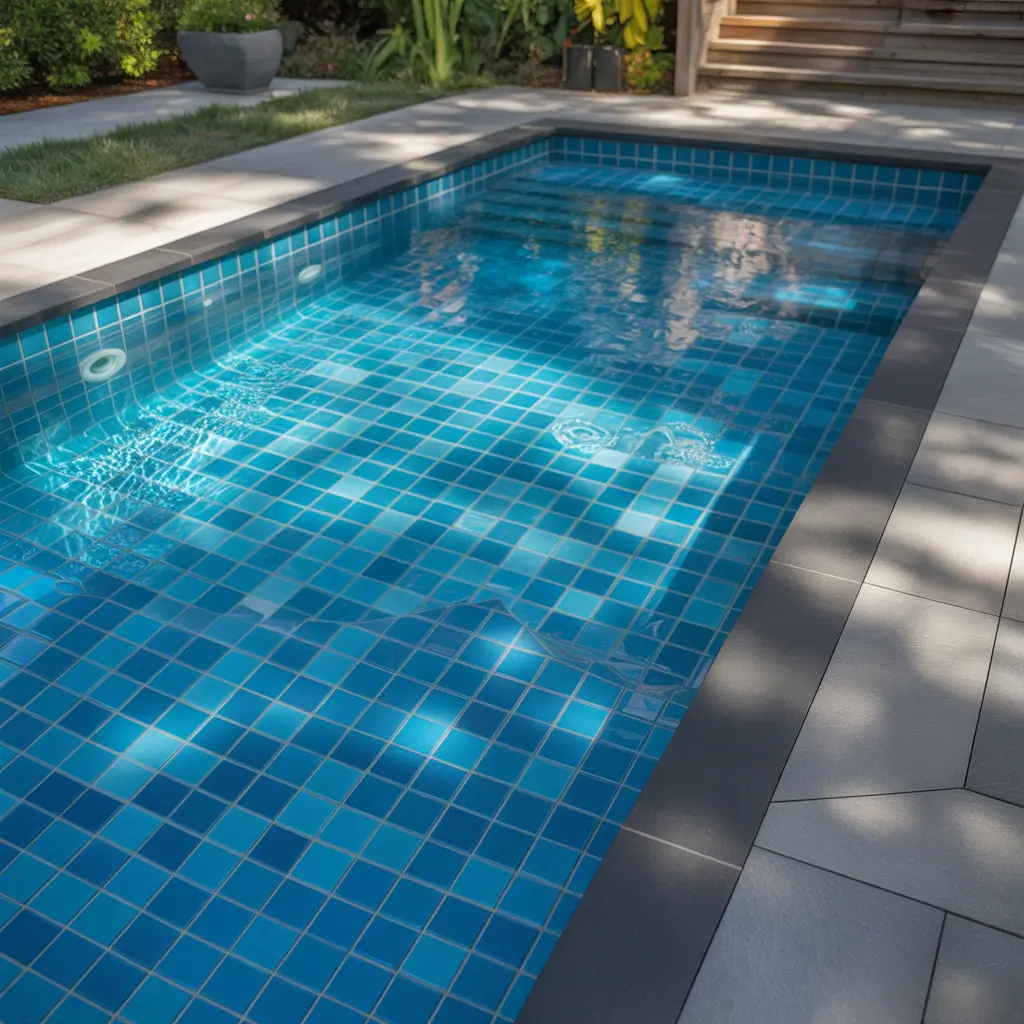
Porcelain tile is highly water-resistant, colorfast in sunlight, and easy to clean. Choose a textured or matte finish for slip resistance. If you want a warmer touch, combine tile with radiant heat beneath for toasty winter mornings.
Luxury vinyl plank (LVP) — waterproof, budget-friendly, and stylish
Modern LVP mimics wood and stone without the moisture vulnerabilities. Look for high-quality, UV-stable products rated for sunrooms or enclosed patios. It’s also a great click-lock DIY installation for weekend remodelers.
Engineered hardwood (real wood look with added stability)
Engineered hardwood has a plywood or high-density core that resists expansion better than solid wood. Choose a low-VOC finish and avoid areas with constant condensation. Keep in mind engineered wood may still fade with prolonged, intense sunlight unless protected with UV coatings.
Bamboo (eco-friendly and surprisingly durable)
Strand-woven bamboo is harder than many hardwoods and can perform well in bright rooms. Opt for quality finishes and ensure proper acclimation before installation. Avoid solid bamboo in places with persistent moisture.
Polished or stamped concrete (modern, low-maintenance option)
Concrete can be sealed and finished for a sleek indoor-outdoor look. It’s excellent for radiant heating and stands up to sun and moisture. Add rugs or mats for comfort and to reduce echoing.
How to choose the best flooring for your sunroom
Consider these factors to select the ideal sunroom flooring:
- Climate: Cold climates benefit from insulated floors or radiant heating; humid climates require waterproof surfaces.
- Sun exposure: Choose UV-resistant finishes to avoid discoloration.
- Use: Is the room a daily living space, a plant conservatory, or a transition zone from patio to living room?
- Budget: Materials and labor vary widely—LVP and tile are often the most cost-effective for durability.
Step-by-step DIY sunroom flooring installation tips
Here’s a practical, general workflow for installing a new sunroom floor—adapt these steps depending on the material you pick.
- Inspect & fix the subfloor: Ensure it’s level, dry, and structurally sound. Repair rot or soft spots before installing any finished floor.
- Address moisture and insulation: Install a vapor barrier or moisture barrier where needed. For cold climates, add insulation and consider underfloor radiant heating.
- Acclimate materials: Let engineered wood or vinyl planks acclimate in the room for 48–72 hours to minimize expansion issues.
- Install underlayment: Use the manufacturer-recommended underlayment to add stability, sound dampening, and thermal comfort.
- Follow layout and expansion gap rules: Start along a straight wall, stagger seams for strength, and leave recommended expansion gaps against walls or glass doors.
- Seal and finish: Grout and seal tiles; apply recommended topcoat to wood or bamboo. For concrete, apply a sealant to protect from staining and UV.
- Transition strips: Use suitable transition pieces where the sunroom meets other rooms or the outdoors to ensure a finished look.
Design inspiration & styling tips
Make your sunroom feel intentional and cozy with these ideas:
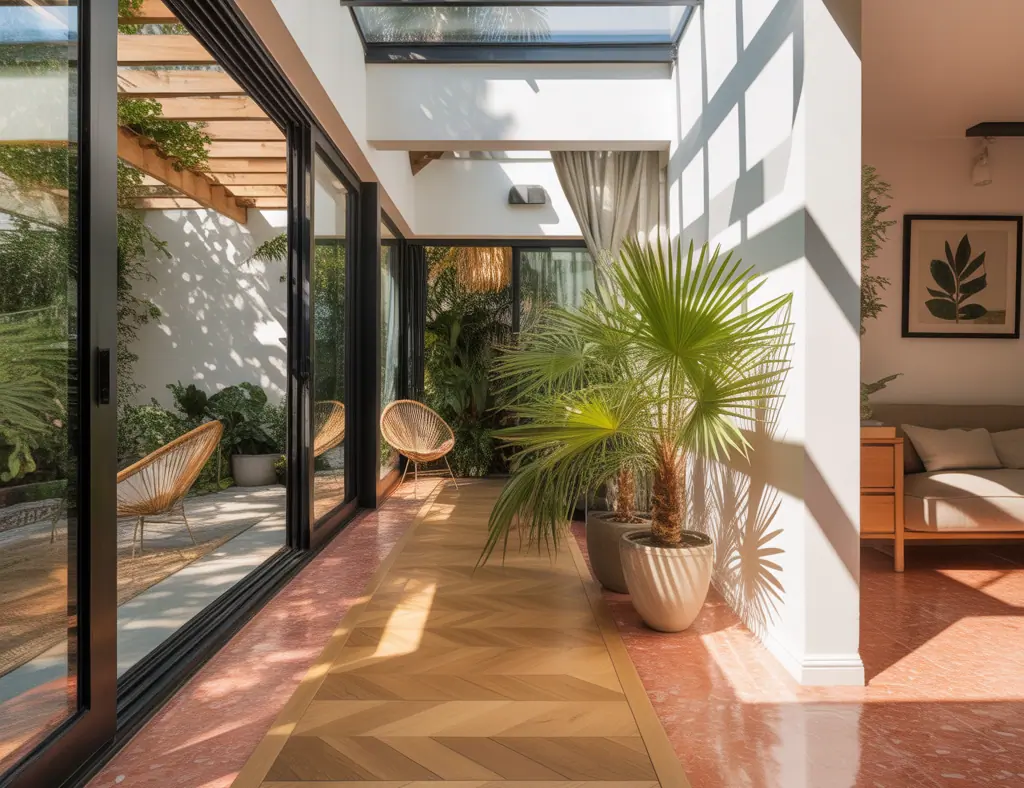
- Mix textures: Pair cool tile or concrete with woven rugs and soft furnishings to soften the space.
- Create flow: Match or complement the adjacent room’s floor color and material for visual continuity.
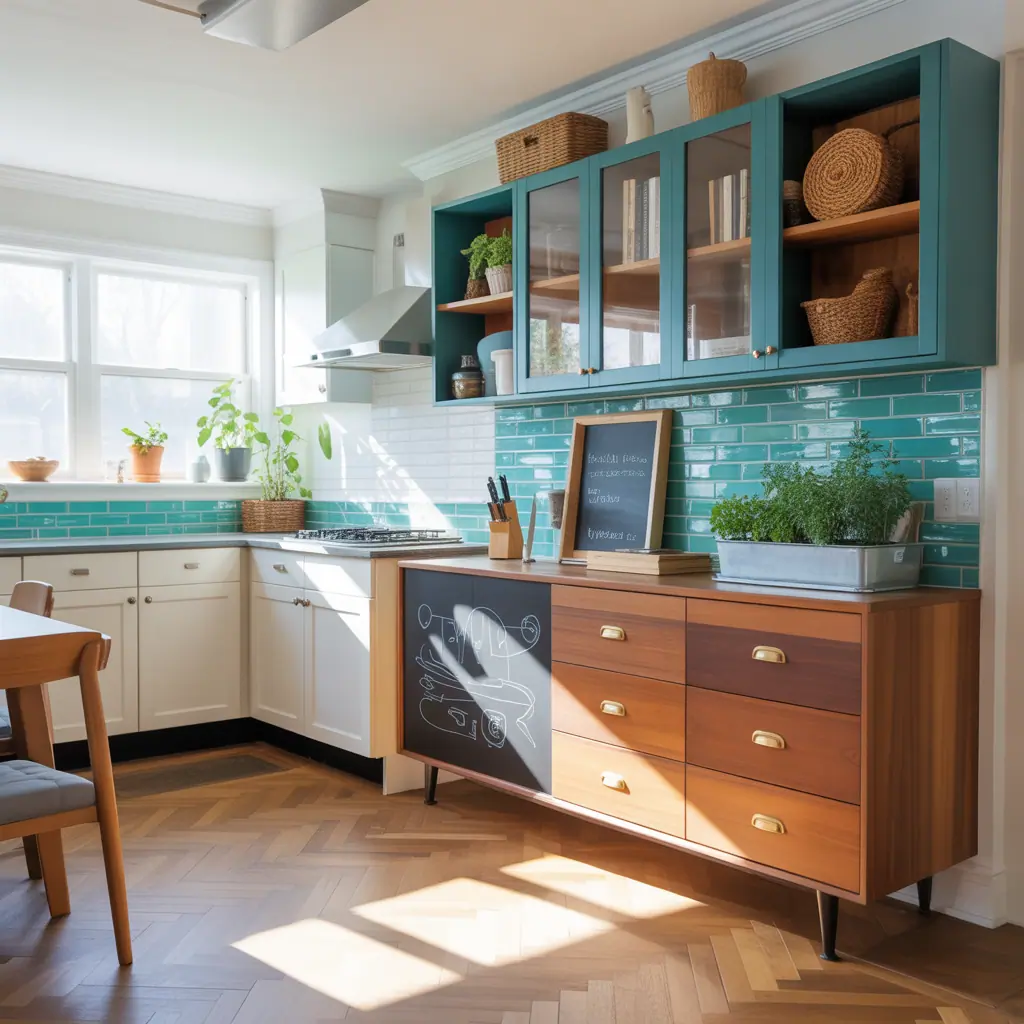
- Use patterns: Herringbone LVP or patterned cement-look tiles add visual interest without overpowering plant displays or furniture.
- Layer rugs: Indoor-outdoor rugs define seating areas and protect floors from plant water runoff.
- Consider radiant heat: Heated floors make tile and concrete comfortable year-round—worth the investment in cold regions.
Real-world advice from DIYers and pros
From contractors and weekend warriors I’ve spoken with:
- “Always prioritize a good subfloor. Most problems start there.”
- “If you have lots of sunlight, invest in UV-stable finishes—replacement is costly.”
- “Budget enough time for material acclimation and curing—rushing causes gaps and adhesive failures.”
Frequently Asked Questions
1. What is the best waterproof flooring for a sunroom?
The best waterproof options are porcelain tile and high-quality luxury vinyl plank. Both resist moisture, are easy to maintain, and handle direct sunlight well when you choose UV-stable products.
2. Can I install hardwood in a sunroom?
Engineered hardwood is a better choice than solid hardwood because it handles temperature and humidity changes more effectively. Still, avoid areas with constant condensation and use UV-protective finishes to reduce fading.
3. Do I need radiant heating under tile in a sunroom?
Radiant heat isn’t required, but it’s highly recommended in cold climates. It makes tile and concrete comfortable underfoot and reduces the thermal shock that some floor materials experience in extreme temperature swings.
Conclusion — Choose a sunroom flooring idea that fits your lifestyle
Picking the right sunroom flooring idea comes down to balancing climate, use, budget, and style. Whether you install durable porcelain, cozy LVP, engineered wood, or a polished concrete slab, planning the subfloor, moisture control, and UV protection will extend the life of your floor and keep your sunroom inviting. Ready to start your project? Check out our guides on DIY projects, get inspired by home design ideas, or compare material choices with our kitchen upgrades tips to carry design consistency through your home. Share your before-and-after photos or ask a question below—let’s make your sunroom a favorite spot to relax and entertain.