Have you ever stared at your living room, tape measure in hand, wondering how to squeeze a sofa and a loveseat into a cozy, functional layout without feeling cramped? Maybe you just moved into a new apartment, or you’re refreshing a tired setup — either way, arranging two separate seating pieces can feel like solving a spatial puzzle. This guide gives practical, DIY-friendly sofa loveseat living room layout ideas that make the most of your space, improve traffic flow, and create a welcoming conversation area.
Start Smart: Measure, Map, and Prioritize
Before you drag furniture around, take five minutes to plan. Good layout begins with accurate measurements and clear priorities.
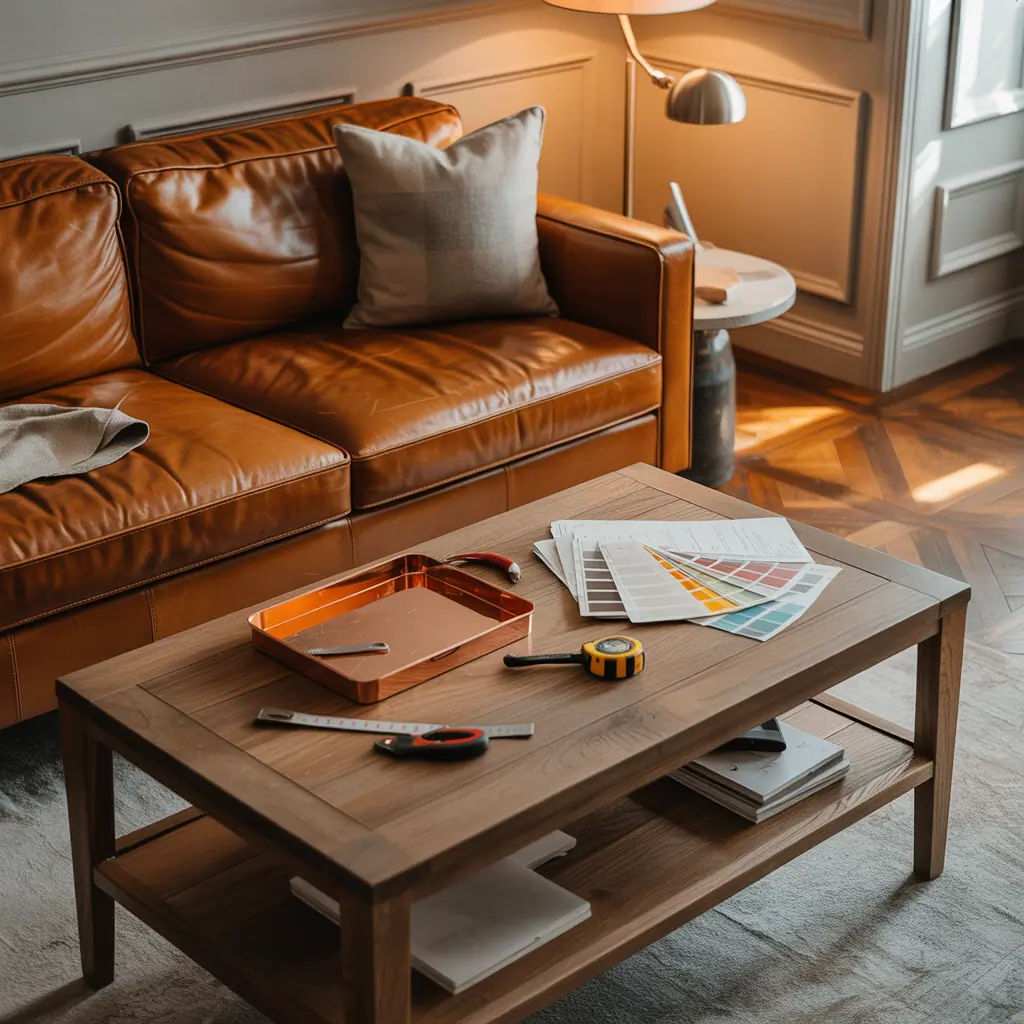
- Measure the room: length, width, door swings, window openings, and any radiators or built-ins.
- Measure furniture: sofa length, loveseat width, depths, and leg height.
- Create a simple scale drawing on graph paper or use painter’s tape on the floor to map furniture footprints.
- Decide on focal point(s): TV wall, fireplace, large window, or a conversation-centered coffee table.
sofa loveseat living room layout ideas
Here are several tried-and-true layouts with real-world advantages and DIY tips to make them sing in your home.
1. Opposite Seating (Conversation Friendly)
Place the sofa and loveseat facing each other, separated by a coffee table. This layout encourages conversation and is perfect for social spaces.
- Keep 18–24 inches between seating and coffee table for easy reach.
- DIY idea: Make a simple rustic coffee table from reclaimed wood to visually anchor the conversation area.
- Best for: square or slightly rectangular rooms where you want an intimate feel.
2. L-Shape Arrangement (Open & Cozy)
Position the sofa and loveseat at right angles to create an L-shape. This mimics a sectional and opens a clear pathway in the room.
- Use a single large area rug to tie both pieces together; rug should extend under front legs of both sofa and loveseat.
- DIY step: Reupholster loveseat cushions or add new throw pillows to match the sofa for a cohesive look.
- Best for: open-plan living rooms or to highlight a corner fireplace.
3. Floating Furniture (Airy & Flexible)
Float the sofa and loveseat away from walls to create distinct zones and improve circulation. Ideal in large rooms or lofts.
- Create a walkway of at least 30–36 inches behind furniture for comfortable traffic flow.
- DIY tip: Add a narrow console table behind the sofa to hold lamps and decor without blocking paths.
- Best for: larger spaces where you want a living area in the middle of the room.
4. Parallel Seating (Media-Friendly)
Arrange the sofa and loveseat parallel to each other, both facing the TV wall or a focal point. Great for movie nights and family rooms.
- Place the TV/focal point at eye level when seated; consider mounting to save floor space.
- DIY improvement: Build wall-mounted shelves flanking the TV to balance the wall and add storage.
- Best for: long rooms where you want to control sightlines for media.
Design Tips: Scale, Style, and Flow
Balance is everything. Keep these design principles in mind while arranging your sofa and loveseat.
- Scale: A bulky sofa next to a delicate loveseat looks off — match visual weight, not just size.
- Color & texture: Coordinate fabrics with throw pillows, rugs, and curtains to unify the design.
- Lighting: Layer overhead, task, and ambient lighting. Place a floor lamp between seating for shared light.
- Anchoring: Use area rugs to define the seating area. Rule of thumb — rug should at least fit under the front legs of all major pieces.
DIY Steps to Improve Your Living Room Layout
- Measure and mark the floor with painter’s tape to experiment with different configurations without moving heavy furniture.
- Test sightlines: Sit in each seat and check visibility of the TV, fireplace, and windows.
- Swap pieces: Temporarily replace the coffee table with ottomans or nesting tables to see if the space feels roomier.
- Create storage: Build a simple bench with storage under the window to keep clutter off the coffee table and balance the seating.
- Refine with textiles: New slipcovers, throw blankets, and cushions are an affordable way to refresh both sofa and loveseat.
Real-World Advice: What I’ve Learned From Projects
After helping friends rearrange dozens of living rooms, a few practical lessons always apply:
- Don’t fight the architecture — let door swings and windows guide placement. If a layout feels forced, step back and try a different focal point.
- Scale down furniture if the room feels cramped. A compact loveseat (60–70 inches) can balance a standard sofa (78–90 inches) nicely.
- Invest in multi-functional pieces like storage ottomans, side tables with shelves, or a sofa with a slim profile to free up space.
Quick Styling & Maintenance DIYs
- Slipcover refresh: Sew or buy fitted slipcovers to change the color palette seasonally.
- Refinish wooden legs: Remove and stain or paint sofa and loveseat legs for an updated look.
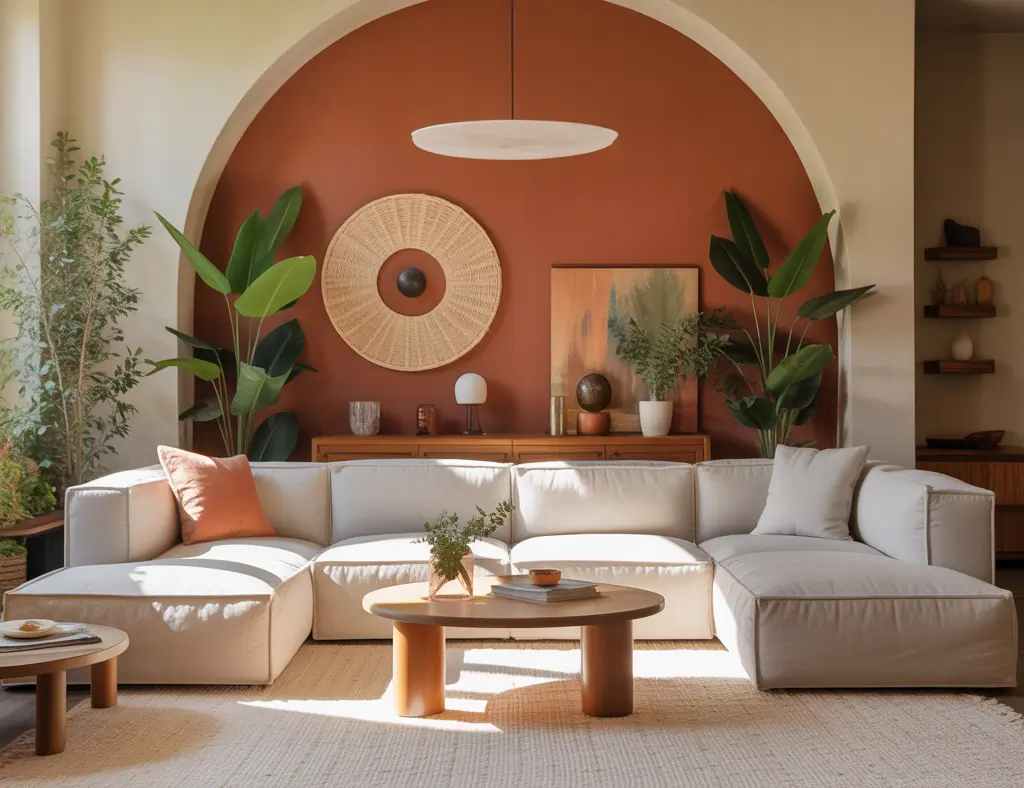
- Accent wall: Create a painted or wallpapered wall behind the sofa to create depth without moving furniture.
Frequently Asked Questions
1. What size sofa and loveseat should I choose for a small living room?
Choose a compact sofa (around 72–82 inches) and a loveseat 60–68 inches wide. Opt for pieces with exposed legs to create visual air and avoid bulky armrests. Always measure doorways and circulation paths first.
2. How do I arrange a sofa and loveseat in a narrow room?
Place pieces along the long walls or create an L-shape along a corner to maximize floor space. Floating a slim console behind the sofa or using wall-mounted shelves can keep the floor clear and improve flow.
3. Should the sofa and loveseat match exactly?
No — they don’t have to match perfectly. Coordinate colors, fabrics, or finishes for cohesion. Mixing a sofa and loveseat with similar silhouettes or shared accent colors often looks more intentional than exact matching.
Conclusion: Try These Sofa Loveseat Living Room Layout Ideas Today
Arranging a sofa and loveseat is a chance to rethink how your living room functions and looks. Use the measurements, layout patterns, and DIY tips above to create a balanced, comfortable space that fits your lifestyle. Start by mapping your room with painter’s tape, try one layout for a week, and tweak until it feels right. Ready to get hands-on? Browse our DIY projects for simple furniture hacks, check ideas for other rooms like kitchen upgrades, or explore broader inspiration on our home design ideas page.
Have a photo of your current layout? Try rearranging using these steps and share your before-and-after — small changes deliver big comfort.