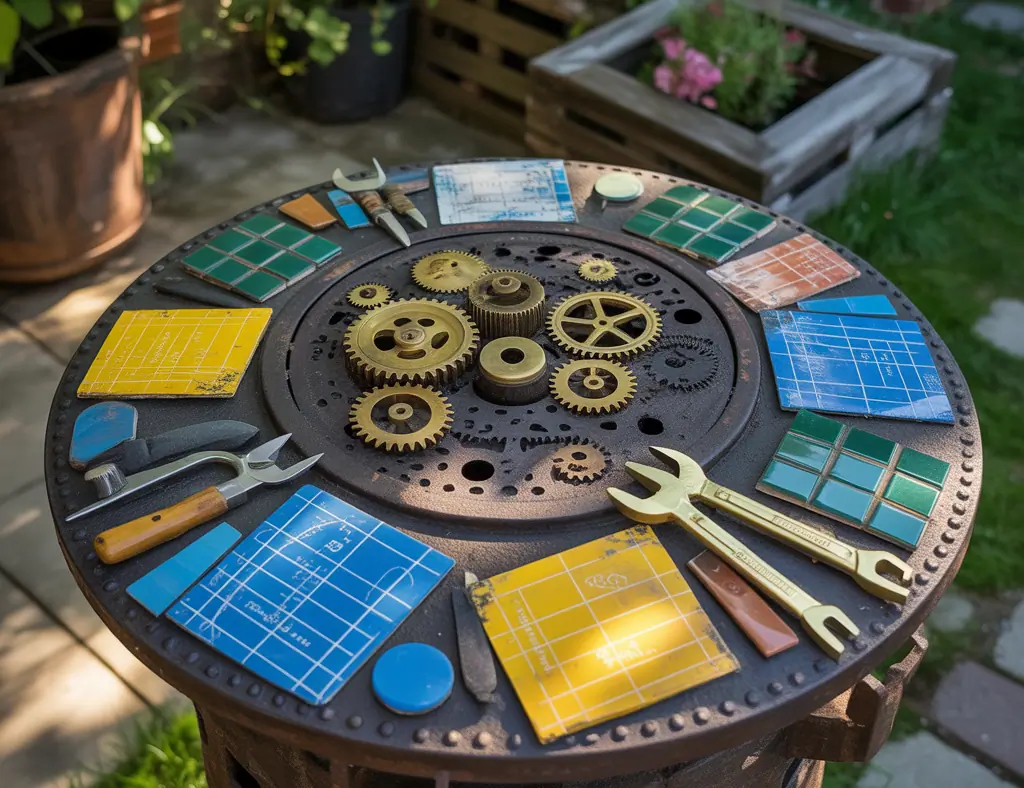
Have you ever been in the middle of planning a backyard makeover—new patio, fresh landscaping, a cozy fire pit—only to realize the giant, utilitarian septic access lid sits dead center of the view? It’s a common homeowner dilemma: how do you keep your yard functional and attractive without blocking access to your septic system? In this post I’ll share practical, creative, and DIY-friendly septic tank lid ideas that keep access easy, follow safety guidelines, and blend seamlessly with your yard.
Why think about your septic tank lid?
Septic covers are necessary for maintenance and pumping, but they don’t have to be eyesores. Thoughtful septic tank lid solutions improve curb appeal, increase safety (no one wants a tripping hazard), and protect the lid from damage. Before you start any project, remember two non-negotiables: maintain easy access for service, and avoid heavy permanent structures directly over the lid unless approved by a professional.
Top septic tank lid ideas for every yard
Below are practical options ranging from low-cost DIY fixes to more polished design ideas. Each entry includes tips on materials, installation, and maintenance so you can pick what fits your skill level, budget, and landscape style.
1. Removable planter box
A shallow, lightweight planter box is one of the easiest ways to camouflage a septic tank lid while keeping access quick. Use a wooden or composite box with a hinged or fully removable base.
- Materials: cedar or composite boards, screws, landscape fabric, potting mix, low-rooting plants (sedum, herbs).
- Steps: measure lid dimensions → build box with removable bottom or access panel → line with fabric → plant shallow-rooted greenery.
- Tip: leave a labeled notch or handle so service crews can spot the access point quickly.
2. Lightweight deck hatch
For homeowners who want a seamless deck surface, build a framed hatch with a lightweight composite lid that rests on a support frame. Keep it sturdy but not load-bearing in case heavy equipment is needed during pumping.
3. Decorative access cover (synthetic stone or resin)
There are decorative septic lids made from lightweight resin or molded faux stone that look like natural rock but are easy to lift. They’re popular for cottage and rustic landscapes where a natural look is desired.
4. Artificial turf or groundcover ring
Use a circular patch of artificial turf or low-maintenance groundcover around the lid to create a “green” look while keeping a clear, flat surface above the access point. Ideal for minimalist yards.
5. Low berm or raised planting bed (with removable panel)
Create a small berm or raised bed that incorporates a removable access panel. This works well when you want to alter elevation or hide the cover behind ornamental grasses.
6. Decorative bench or seat with lift-up top
Build a bench that doubles as a septic access hatch—use lightweight construction and ensure the top is easy to lift. This adds function and seating to your landscape.
DIY Step-by-step: Build a simple hinged planter cover
- Locate the lid and measure it precisely. Mark the outline with spray paint or stakes.
- Call your utility locator or check local codes if needed (safety first).
- Cut cedar boards to create a frame that overhangs the lid by 1–2 inches on each side.
- Attach a removable plywood or composite panel as the base, or use hinges so one side opens fully.
- Line with landscape fabric, add potting mix, and plant shallow-rooted plants.
- Label the cover discreetly for easy access by maintenance crews.
Estimated cost: $50–$200 depending on materials. Time: 2–4 hours for a basic box.
Design inspiration by style
Modern yards
Choose sleek composite hatches, monochrome planter boxes, or a flush deck hatch that keeps lines clean.
Cottage and rustic
Use faux rock covers, weathered cedar boxes, or a bench with a distressed finish for a cozy look.
Natural landscapes
Camouflage with ornamental grasses or a low mound with a removable hatch—keep plant roots shallow and non-invasive.
Practical safety and maintenance tips
- Always leave clear, unobstructed access for septic service—no permanent heavy structures over the lid unless designed for that purpose.
- Avoid planting trees or deep-rooted shrubs near the tank; roots can damage piping and lids.
- Label access panels or hide a small marker under mulch so you or a service tech can find the lid quickly.
- Consider installing a lightweight riser or access box to bring the lid to grade—this makes service easier and protects the ring from damage.
- Check local regulations—some municipalities require specific clearance or types of access covers.
When to hire a pro
If you plan to build a heavy deck, patio, or permanent hardscape over a septic tank, consult a professional civil engineer, septic contractor, or your county health department. Improper construction can block access, void warranties, or damage the system.
Septic tank lid ideas you can try this weekend
For quick wins: a removable planter box, faux rock cover, or a painted shallow wooden hatch can be done in a few hours and look great. If you’re tackling a bigger hardscape project, plan ahead and consult a pro to keep your septic system functional and code-compliant.
Frequently Asked Questions
1. Can I put a deck over my septic tank?
Short answer: only if the structure is designed not to bear heavy loads on the tank and local codes allow it. Many homeowners install a lightweight hatch inside a deck to preserve access. Always consult a professional before building.
2. What plants are safe to plant near a septic tank?
Choose shallow-rooted plants like sedums, ornamental grasses, hostas, and many groundcovers. Avoid trees and shrubs with aggressive root systems (willow, poplar, maple) that can invade pipes.
3. How often should a septic tank be pumped if I use a decorative lid?
Regular pumping schedule depends on tank size and household use, not the lid. Decorative lids should be easy to remove for scheduled pumping (typically every 3–5 years for many households). Make sure your cover doesn’t block access when the technician arrives.
Conclusion
Septic tank lid ideas don’t have to be an afterthought. With a little creativity you can conceal or upgrade your septic cover while keeping maintenance access and system health intact. Whether you choose a removable planter, faux rock cover, or a deck hatch, prioritize safety, shallow-root planting, and easy access. Ready to try a project? Start with a simple removable planter this weekend, or browse more DIY projects and home design ideas for inspiration—your yard (and septic tech) will thank you.