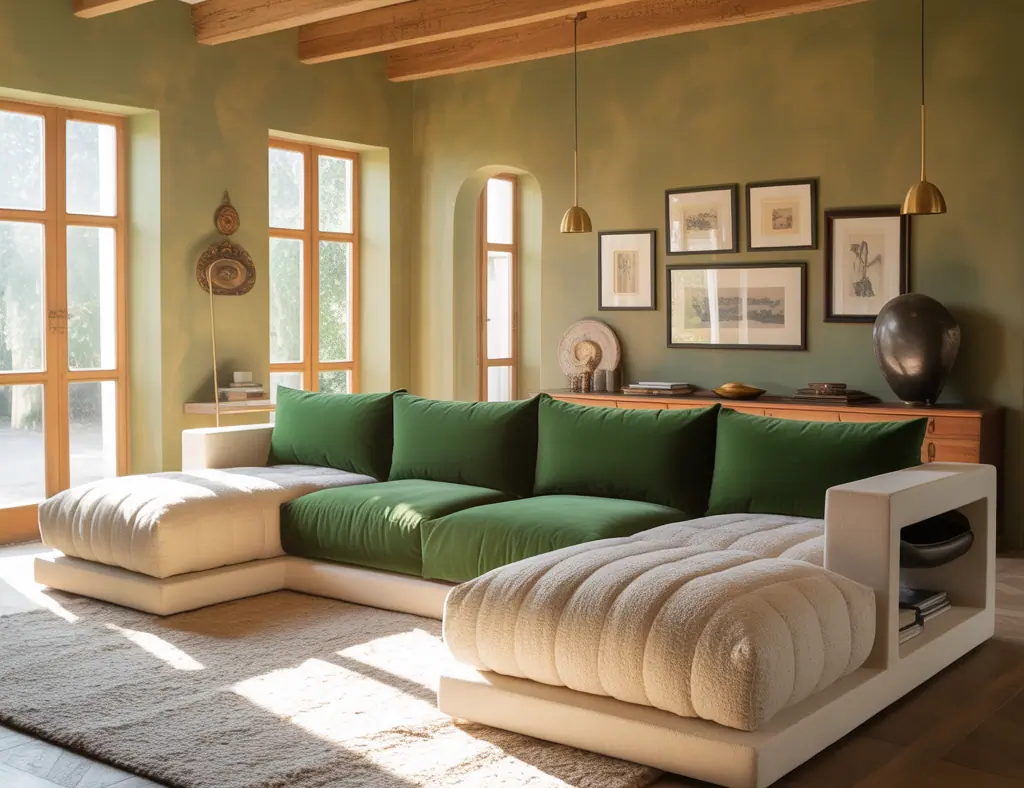
Ever bought a sectional because it looked comfy online, then stared at it in your living room wondering, “Now what?” You’re not alone. Whether you’re dealing with a large open-plan great room or a cozy apartment den, the right sectional living room ideas can make the difference between a cramped, awkward layout and a welcoming, functional space. This guide shares practical layout strategies, styling inspiration, and DIY upgrades you can tackle this weekend.
Why choose a sectional? Practical benefits for modern living
Sectionals are more than a big couch — they’re a flexible furniture solution. They define zones in open-plan homes, maximize seating in small living rooms, and often combine chaise lounge comfort with conversational arrangements. Consider these benefits:
- Space optimization: L-shaped and U-shaped sectionals fill corners and reduce wasted space.
- Flexibility: Modular sectionals can be rearranged to create new seating plans.
- Comfort + function: Many sectionals include storage, sleeper options, or removable covers for easy cleaning.
Sectional living room ideas: layout and zoning tips
Good layout planning is the foundation of any successful sectional living room design. Follow these practical steps before you buy or rearrange:
Measure and map
- Measure your room: width, length, door swings, and window placements.
- Measure your sectional or its intended footprint.
- Sketch a scaled floor plan or use simple masking tape on the floor to test arrangements.
Placement strategies
- Against the wall: Great for narrow rooms to open the central area.
- Floating sectional: Use a rug and console table behind the sofa to create pathways in open spaces.
- Zone with furniture: Anchor seating with a rug and position a media cabinet or fireplace as the focal point.
Styling and decorating your sectional: color, texture, and accessories
Styling a large piece of furniture can feel intimidating. Use color, texture, and thoughtful accessories to turn your sectional into a design statement.
Color and fabric choices
Choose fabrics that fit your lifestyle: performance fabrics for high-traffic homes, linen blends for a relaxed look, or leather for a classic vibe. Neutral sectionals create a versatile base; bring in personality with throw pillows and blankets in complementary hues.
Layering and balance
- Layer a rug large enough so the front legs of the sectional sit on it — this visually anchors the seating area.
- Add a mix of cushions in different sizes and textures; include a bold patterned pillow for contrast.
- Balance scale with side tables or a low-profile media console to avoid overwhelming the room.
DIY upgrades and step-by-step projects for sectionals
If you love DIY projects, there are many ways to refresh a sectional without buying new furniture. Here are actionable projects with simple steps and tools.
Project 1 — Make a custom slipcover
Slipcovers instantly change the look and protect upholstery.
- Measure each sectional piece (seat, back, armrests).
- Choose a stretch knit or upholstery fabric with at least 10% give.
- Create pattern pieces from cheap muslin first; sew using a heavy-duty needle and serger or zigzag stitch.
- Test fit, make adjustments, and finish raw edges for durability.
Project 2 — Add storage under the chaise
Turn unused space into hidden storage:
- Lift the chaise (check manufacturer guidelines) or remove the cushion.
- Install a simple hinged plywood platform on piano hinges for easy access.
- Paint or line with fabric for a finished look and add baskets to organize contents.
Project 3 — Refinish or replace sofa legs
Changing legs changes the whole profile:
- Remove old legs (most unscrew) and note mounting requirements.
- Choose tapered wood legs for a mid-century feel or metal casters for an industrial look.
- Install with a mounting plate and reinforce with wood blocks if needed.
Small spaces & tricky shapes: sectional solutions
Small rooms and odd layouts don’t mean you can’t have a stylish sectional. Consider these long-tail ideas like small living room sectional ideas and modular setups:
- Choose a compact loveseat + chaise combo instead of a full L-shaped model.
- Go modular: buy sections you can add to later as space allows.
- Use low-profile furniture and clear-armed sectionals to maintain sightlines and make the room feel larger.
Frequently Asked Questions
Q: How do I choose the right size sectional for my living room?
A: Measure your room first, then leave at least 30–36 inches of traffic space around the seating area. Use a scaled floor plan or test with painter’s tape. For small spaces, pick smaller modules or a sectional with a shorter chaise.
Q: Can I reupholster a sectional myself?
A: Yes, if you have basic sewing skills and the right tools. Start with removable cushions, make patterns from muslin, and practice on inexpensive fabric. For complex frames or high-value sofas, consider professional reupholstery.
Q: What are the best rugs for anchoring a sectional?
A: Choose a rug that allows the front legs of the sectional (and other seating) to sit on it. Wool or synthetic blends work well for durability. For large sectionals, select an oversized rug to prevent the rug from looking too small.
Conclusion — Bring your sectional vision to life
Sectional living room ideas range from simple styling tweaks to weekend DIY upgrades that dramatically improve function and style. Start by mapping your space, choose the right scale and fabric, and try one DIY project to make the sofa feel custom. Whether you’re working on layout solutions, custom slipcovers, or storage-friendly chaises, small changes add up to a big impact.
Ready to try a project? Check out more DIY inspiration on our DIY projects page or explore broader home design ideas to pair your sectional with a refreshed room. If you’re tackling a full remodel that touches your open-plan kitchen and living area, don’t forget to see our tips on kitchen upgrades for cohesive design.
Share your sectional transformation or ask for layout advice — drop a comment or upload a photo to get personalized tips. Let’s make your living room work and look amazing.