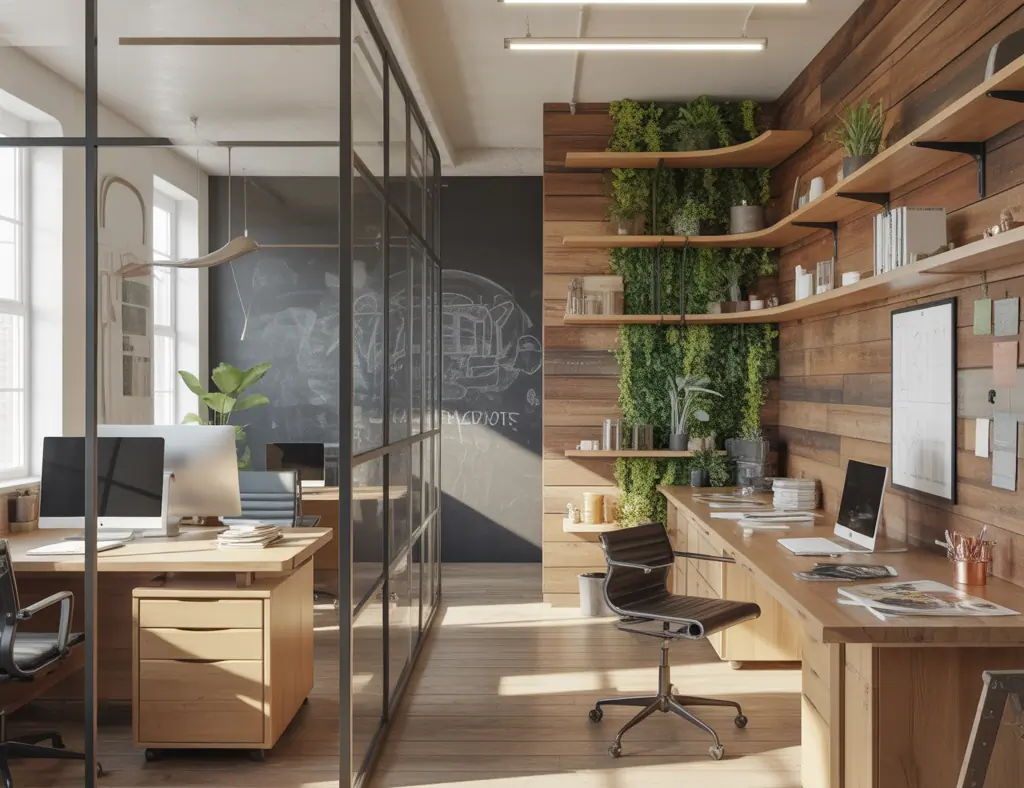
Have you ever sat at your cluttered desk, squinting under a single overhead bulb, thinking “I need to change this”? Whether it’s a corner of your living room doubled as a makeshift workstation or a dedicated room that feels stale, small upgrades can transform how you work. In this guide we’ll explore renovation ideas for office spaces—real-world, budget-friendly, and DIY-friendly approaches to help you create a productive, beautiful workspace.
Why renovate your office? Productivity, comfort, and value
A thoughtful office remodel does more than look good. Better lighting improves focus, ergonomic furniture reduces fatigue, and smart storage clears mental clutter. Renovation can increase your home’s resale appeal too—buyers increasingly search for finished home workspaces. Whether you want small home office renovation ideas or a full open-plan office renovation, aim for function first and style second.
How to plan your office renovation: a step-by-step approach
1. Assess your needs and workflow
Make a simple list: how many screens, meetings, storage needs, and the type of lighting you prefer. Sketch a floor plan or use a free room planner to visualize furniture placement.
2. Set a realistic budget and timeline
Decide what you can DIY (painting, shelving, simple electrical swaps) and what needs a pro (major electrical work, structural changes). Allocate contingency (10–15%) for surprises. For an affordable office makeover, prioritize high-impact, low-cost updates first.
3. Pick a style and color palette
Choose one dominant mood—minimal Scandinavian, warm industrial, or cozy cottage—and pick two accent colors. Neutrals plus one accent keep the space calm and productive.
Renovation ideas for office: 10 practical upgrades you can do
-
Fresh paint or an accent wall
Why it works: Paint is the fastest transformation. Choose matte finishes to reduce glare.
DIY steps: sand and prime, tape edges, apply two coats, and finish with a crisp trim. Consider a darker accent behind your monitor to reduce eye strain.
-
Layered lighting
Combine overhead, task (desk lamp), and ambient lighting. Install dimmers for flexibility.
Tip: Use warm-white LED bulbs (2700–3000K) for comfort or cooler (3500–4000K) for focus.
-
Built-in or floating shelving
Open shelves free up floor space and display essentials. Use wall studs or anchors rated for weight.
DIY steps: measure, mark stud locations, cut shelf boards to size, mount brackets securely, and finish with paint or stain.
-
Convert to a standing desk or adjustable setup
Benefits: Better posture, increased energy. Affordable option: a riser or a DIY adjustable platform.
-
Smart storage solutions
Use vertical filing, under-desk drawers, and labeled bins. Declutter before buying storage to avoid wasted purchases.
-
Acoustic improvements
Reduce echo with rugs, fabric wall panels, or acoustic tiles—especially important in open-plan or hard-floor spaces.
-
Flooring refresh
Swap worn carpet for laminate or engineered wood, or add an area rug for warmth. Peel-and-stick vinyl tiles are a budget-friendly DIY option.
-
Feature wall with functional design
Create a pegboard, chalkboard, or cork wall for notes and tools. It’s both decorative and practical for a home workstation.
-
Glass partitions for shared spaces
To separate an open-plan office without losing light, add a slim glass partition or frosted panel. This may require a contractor but creates modern separation.
-
Greenery and biophilic design
Indoor plants improve air quality and mood. Use wall planters, hanging pots, or a simple shelf arrangement for easy maintenance.
Small home office renovation ideas on a budget
Working with a compact footprint? Maximize every inch with focused strategies:
- Choose multi-purpose furniture: a cabinet that doubles as a printer station.
- Install vertical storage and pegboards to keep surfaces clear.
- Use light paint and mirrors to visually expand the space.
- Opt for slimline desks and stackable seating for flexibility.
Design inspiration: colors, materials, and ergonomics
Stick with a palette of two neutrals and one accent. Natural wood tones add warmth; metal and concrete accents bring an industrial edge. Invest in an ergonomic chair and set monitor height at eye level. Consider cable management channels and under-desk trays to keep everything tidy.
Quick DIY tips and tools checklist
- Tools: stud finder, level, drill, paint rollers, and quality screwdriver set.
- Prep: always measure twice and protect floors/furniture with drop cloths.
- Patchwork: use spackle for small holes, sand smooth, and prime before painting.
- Safety: turn off power for electrical work and wear eye protection for cutting tasks.
Frequently Asked Questions
1. How much should I budget for an office renovation?
Costs vary widely. For a cosmetic refresh (paint, lighting, furniture) expect a few hundred to a few thousand dollars. A mid-range remodel (new flooring, built-ins, electrical) can run several thousand. Break projects into phases to spread costs.
2. What are the easiest DIY improvements that make the biggest impact?
Paint, improved lighting, decluttering with smart storage, and swapping the chair for an ergonomic model offer the most noticeable changes for the least money and effort.
3. Can I do electrical changes myself?
Basic tasks like changing light fixtures can be DIY if you’re comfortable and follow local codes. For installing new circuits, outlets, or major rewiring, hire a licensed electrician for safety and code compliance.
Conclusion — Start your renovation today
Renovation ideas for office range from simple DIY updates to full remodels. Start with a clear plan, prioritize comfort and organization, and tackle one project at a time. Ready to roll up your sleeves? Browse our DIY projects for step-by-step tutorials or get inspired by home design ideas. If your next project touches the kitchen too, check out kitchen upgrades that flow with your new office aesthetic. Share your before-and-after photos or ask for a layout review — let’s make your workspace work for you.