Have you ever stared at a cold, unfinished basement and imagined a cozy family room, a home theater, or a productive office, then felt overwhelmed by where to start? You’re not alone. Many homeowners want basement renovation ideas but get stuck on budgeting, moisture control, or layout choices. This guide walks through practical, DIY-friendly solutions and design inspiration so you can transform that underused space into one of your home’s favorite rooms.
Why Renovate Your Basement? Benefits and Quick Considerations
Finishing a basement adds usable square footage, increases resale value, and gives your family more functional living space. Before you begin, consider these must-dos: check for water issues, confirm ceiling height and egress requirements, and decide whether you’ll DIY or hire tradespeople. Prioritizing waterproofing, insulation, and proper lighting will make almost every renovation idea successful.
Top renovation ideas basement: Layouts, Themes, and Uses
Below are practical layout concepts and style ideas tailored to different budgets and needs. Each idea includes simple steps and design tips you can apply.
1. Family Media Room or Home Theater
- Design: Dark paint or textured wallpaper, tiered lighting, acoustic panels for sound control.
- DIY steps: Frame and insulate walls, run conduit for AV cables, install recessed lighting, and mount a projector or TV.
- Tip: Use carpet tiles or luxury vinyl plank (LVP) for a warm floor that’s easy to replace.
2. Home Office or Studio
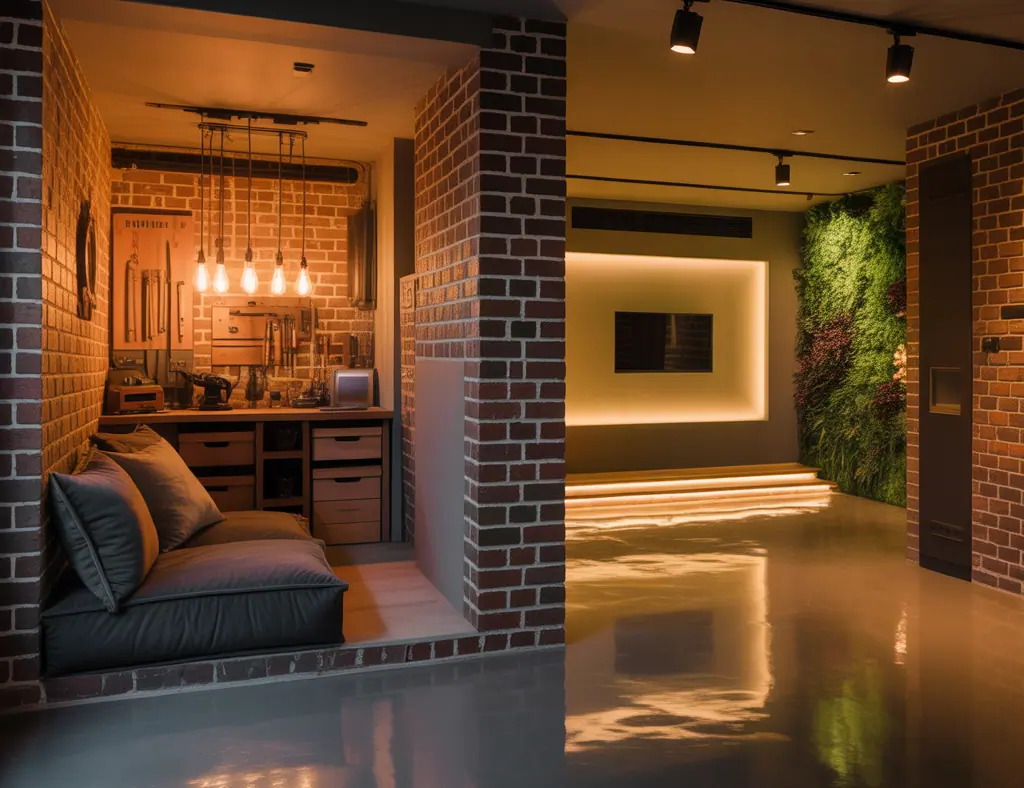
- Design: Bright, neutral colors, smart storage, and zoned lighting for productivity.
- DIY steps: Add built-in shelving, create a raised platform for a desk area, and install task lighting with dimmers.
- Tip: Consider soundproofing with insulation and resilient channels if you need quiet for calls or recording.
3. Guest Suite or Rental Unit
- Design: Separate entrance if possible, compact kitchenette, and a full or three-quarter bathroom to increase functionality.
- DIY steps: Check local codes for egress and plumbing, install a tankless water heater or point-of-use system, and use moisture-resistant drywall in bathrooms.
- Tip: Luxury vinyl or ceramic tile works well for wet areas and is low-maintenance.
4. Playroom, Gym, or Hobby Space
- Design: Durable flooring, ample storage, and flexible lighting for different activities.
- DIY steps: Install rubber flooring or LVP, anchor storage units to studs, and create an equipment zone with reinforced flooring if needed.
- Tip: Use color-coded storage bins and wall hooks to keep gear off the floor.
Basement Renovation on a Budget: Cost-Saving DIY Tips
Not every basement remodel requires a big contractor bill. Here are budget-friendly strategies that still deliver style and function:
- Start with moisture control—install a dehumidifier and seal visible cracks. This avoids future costly repairs.
- Use LVP or laminate instead of hardwood; both mimic wood grain and are moisture-tolerant.
- Paint cinderblock walls with a masonry primer and paint for an instant refresh.
- Install a drop ceiling with acoustic tiles for easy access to utilities and a quick DIY install.
- Build simple open shelving rather than custom cabinetry to save on costs.
Step-by-Step Basement Finish Checklist
Follow these steps to keep the renovation organized and code-compliant:
- Inspect and remediate water issues (sump pump, perimeter drain, sealants).
- Plan layout: bedrooms, bathrooms, mechanical rooms, egress windows.
- Obtain permits if adding bedrooms, bathrooms, or changing plumbing/electrical.
- Frame exterior and partition walls; install insulation and vapor barriers.
- Run electrical, HVAC, and plumbing rough-ins; consider separate HVAC zoning.
- Hang moisture-resistant drywall, tape, and mud seams.
- Finish floors, paint, install trim, and complete final fixtures and lighting.
- Final inspection and install safety features (smoke detectors, carbon monoxide detectors).
Design Inspiration: Finishes, Lighting, and Storage Solutions
Small design choices make a big difference:
Floors
Choose waterproof LVP, engineered hardwood with a proper vapor barrier, or warm carpet tiles in family areas. Use tile in bathrooms and laundry areas.
Lighting
Combine recessed LED lights, wall sconces, and floor lamps to layer light. Consider dimmers to change mood in a media room.
Storage
Built-ins, under-stair drawers, and recessed shelving maximize space. Label bins and use wall-mounted racks in hobby or workout areas.
Must-Do Technical Considerations
- Waterproofing: Exterior drainage, interior sump pumps, or French drains reduce risk of flooding.
- Insulation: Use closed-cell spray foam or rigid foam board for exterior walls; fiberglass between studs is okay when a vapor barrier is installed.
- Egress: Any finished bedroom must have an egress window or door that meets local codes.
- Utilities: Plan for HVAC capacity and duct routing to keep the new space comfortable year-round.
DIY-Friendly Projects to Try This Weekend
- Seal basement floor cracks with epoxy filler and epoxy paint for a clean, durable surface.
- Create a feature wall with shiplap, reclaimed wood, or paint and molding.
- Install floating shelves and pegboards for hobby or craft storage.
Frequently Asked Questions
How much does a typical basement renovation cost?
Costs vary widely based on scope. A basic finish might range from a few thousand to $15,000, while a high-end basement remodel with plumbing, a full bathroom, and custom millwork can be $30,000 or more. Always get multiple quotes and include waterproofing and HVAC in your budget.
Do I need a permit to renovate my basement?
Most municipalities require permits for structural changes, electrical, plumbing, and adding bedrooms or bathrooms. Check local building codes before starting work to ensure compliance and safety.
What flooring is best for a basement?
Water-resistant materials are preferable: luxury vinyl plank (LVP), ceramic or porcelain tile, and sealed concrete. Carpet tiles work well in dry family areas but avoid broadloom in basements prone to moisture.
Conclusion: Start Your Renovation Ideas Basement Project Today
Renovation ideas basement projects range from small DIY improvements to full-scale finishes that add significant living space and value. Start with moisture control and a solid plan, then choose a design that fits your lifestyle—media room, guest suite, home office, or workout space. Ready to take the next step? Browse our DIY projects for weekend-friendly upgrades, explore broader home design ideas, or see how basement work pairs with major remodels like kitchen upgrades. Take one small action today—measure your space, sketch a layout, or order samples—and watch your basement transform.
Call to action: If you want a tailored plan, comment below with your basement size and goals or start a project checklist from our DIY projects page to get organized and begin renovating with confidence.