Have you ever stood in your outdated shower, toothbrush in hand, and thought—this could be so much better? Whether it’s grout that won’t quit, a showerhead that sprays everywhere but where it should, or a cramped tub that makes getting ready a chore, your shower can feel like the weak link of your bathroom. If you’re asking, “What are smart remodel ideas for showers I can actually do?”—you’re in the right place. This guide blends practical DIY steps, design inspiration, and real-world advice to help you transform your shower without losing your mind (or your savings).
Quick Start: Plan, Budget, and Decide
Before you swing a hammer, take 1–2 hours to plan. Identify the scope: refresh, partial remodel, or full replacement. This will determine costs, timeline, and whether you need a pro for plumbing or structural changes.
- Refresh (cosmetic): Regrout, new showerhead, glass door, paint or new caulk.
- Partial remodel: Replace tile, add a niche or bench, upgrade fixtures.
- Full remodel: Reconfigure layout, change from tub to walk-in, move drains—often requires permits and a contractor.
Budget tip: Divide costs into materials (40–60%), fixtures (20–30%), and labor (if hiring, 30–50%). For a shower remodel on a budget, plan to DIY demo and cosmetic installs, and hire pros for waterproofing and plumbing.
Top Remodel Ideas for Showers
Here are smart, stylish, and achievable remodel ideas for showers—grouped by impact and difficulty so you can pick what fits your skill level.
1. Walk-In Shower Conversion (High Impact)
Turn a tub into a walk-in shower for an open, modern feel. Benefits include accessibility, easier cleaning, and increased home value.
- Step-by-step highlights: Remove tub, inspect subfloor, install proper waterproof membrane, adjust drain height, tile floor, install glass panel.
- DIY vs. pro: Demolition and basic tile work can be DIY; waterproofing and drain work are usually best left to professionals.
2. Tile Shower Ideas: Mix Patterns and Sizes
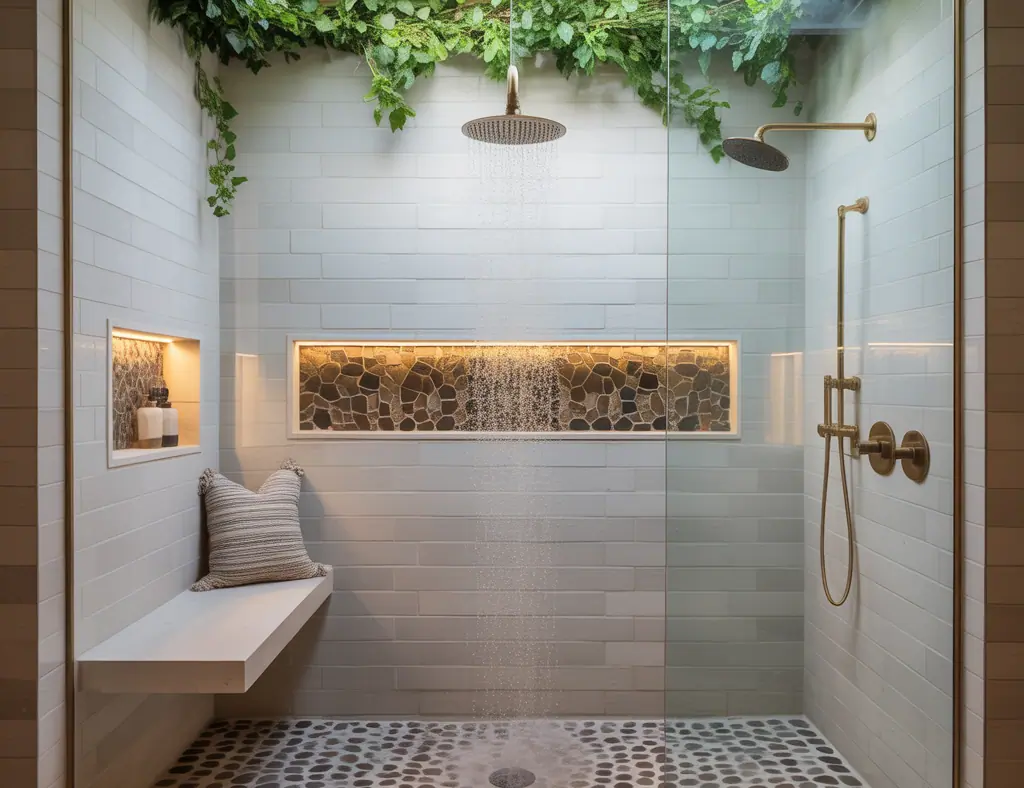
Tiles can make or break a design. Use large-format tiles to visually expand small bathrooms, or mix subway tiles with a contrasting mosaic strip for interest.
- DIY tip: Use a tile spacer and level to keep grout lines consistent. Pre-mix thin-set for small areas to avoid drying out.
- Pro tip: Choose porcelain or glazed ceramic for durability and low maintenance.
3. Glass Shower Enclosures and Frameless Doors
Installing a frameless glass enclosure creates an open sightline that makes any bathroom feel larger. It also showcases tile work and increases perceived luxury.
- DIY tip: Many manufacturers sell semi-frameless kits that are more DIY-friendly than full custom glass.
- Maintenance advice: Use a squeegee after each shower to reduce mineral buildup.
4. Curbless and Barrier-Free Showers
Curbless showers (also called curbless or roll-in showers) are sleek and accessible. They require precise slope for drainage and careful waterproofing.
- Good for: Aging-in-place updates, modern design, small bathrooms paired with larger floor tiles.
- Warning: Unless you’re experienced with floor pitch and waterproofing membranes, hire a professional.
5. Shower Storage: Niches, Benches, and Hooks
A recessed shower niche keeps bottles off the floor and looks custom. Add a built-in bench for comfort and convenience.
- DIY step: Frame the niche during wall construction, use a waterproof backer board, and tile the niche to match or accent the wall.
- Design tip: Line niches with a contrasting tile for a pop of personality.
6. Upgrade Fixtures and Lighting
Swap an oversized, inefficient showerhead for a multi-function rainhead or handheld combo. Add recessed lighting or an LED strip in a niche for mood and function.
- DIY fixture swap: Turn off water, remove old showerhead, apply plumber’s tape, and install the new unit—usually a simple task.
- Pro tip: Consider water-saving fixtures to lower bills without sacrificing comfort.
Practical DIY Tips and Tools
Here are hands-on tips that save time and avoid costly mistakes:
- Waterproofing is non-negotiable. Use a reputable membrane (liquid or sheet) and follow manufacturer instructions.
- Test drains and slopes before finishing by pouring water in the shower pan—ensure it flows to the drain.
- Always use cement backer board behind tile—no drywall in wet zones.
- Tools to keep on hand: wet saw (or tile scores for straight cuts), grout float, tile spacers, jigsaw for niches, silicone caulk gun, drill, stud finder, level.
- Small bathroom shower remodel? Opt for corner shower units, clear glass, and vertical tiles to make the space feel taller.
Design Inspiration: Styles That Work
- Modern minimal: Large neutral tiles, frameless glass, linear drain.
- Classic subway: Timeless white subway tile with dark grout and brass fixtures.
- Spa retreat: Natural stone-look tiles, pebble floor, rain shower, and bench seating.
- Bold statement: Patterned cement-look tiles, matte black fixtures, and a graphic niche.
When to Call a Professional
Hire a licensed contractor or plumber when your remodel involves:
- Moving drains or changing shower footprint
- Major electrical or structural changes
- Complex waterproofing for curbless showers
For projects that are mostly cosmetic—regrouting, replacing fixtures, installing glass doors or shelves—you can often DIY with time and patience.
Frequently Asked Questions
1. How much does a typical shower remodel cost?
Costs vary widely: a basic refresh (new fixtures, regrout, showerhead) might be $500–$2,000. A mid-range tile replacement and new glass enclosure runs $3,000–$8,000. Full conversions or custom luxury showers can exceed $10,000. Local labor rates and material choices heavily influence price.
2. Can I replace shower tile myself?
Yes, if it’s a small area and you’re comfortable with demolition, substrate repair, and tiling. Key steps include removing old tile, installing cement backer board, waterproofing, and properly grouting. For extensive waterproofing or complex layouts, consider a pro.
3. What’s the best showerhead for low water pressure?
Look for showerheads labeled for low-pressure performance or those with a pressure-boosting design. Handheld options and models with smaller nozzles often improve perceived pressure. Installing a new shower valve can also help but may require a plumber.
Conclusion: Start Small, Dream Big — Remodel Ideas for Showers That Work
Remodel ideas for showers range from inexpensive updates—like a new showerhead or regrout—to dramatic walk-in conversions that redefine a bathroom. Start with a clear plan, decide what you can DIY safely, and call in pros where code, waterproofing, or plumbing is involved. If you’re ready to take the next step, try a small weekend refresh to build confidence, then move to bigger projects.
Want more project inspiration? Check out our DIY projects and home design ideas pages, or explore complementary upgrades in the kitchen with our kitchen upgrades section to coordinate style and value throughout your home. Ready to remodel your shower? Grab your tools, make a plan, and start transforming your bathroom today.