Have you ever stood in your kitchen, gripping a mug of coffee, and wished the room felt more lived-in, warm, and story-filled? Maybe your cabinets feel too new, or you keep picturing reclaimed wood, chipped enamel pitchers, and a sink that looks like it belonged to your grandmother. If that sounds familiar, this guide to primitive rustic kitchen decor will help you turn that daydream into a weekend DIY reality.
What Is Primitive Rustic Kitchen Decor?
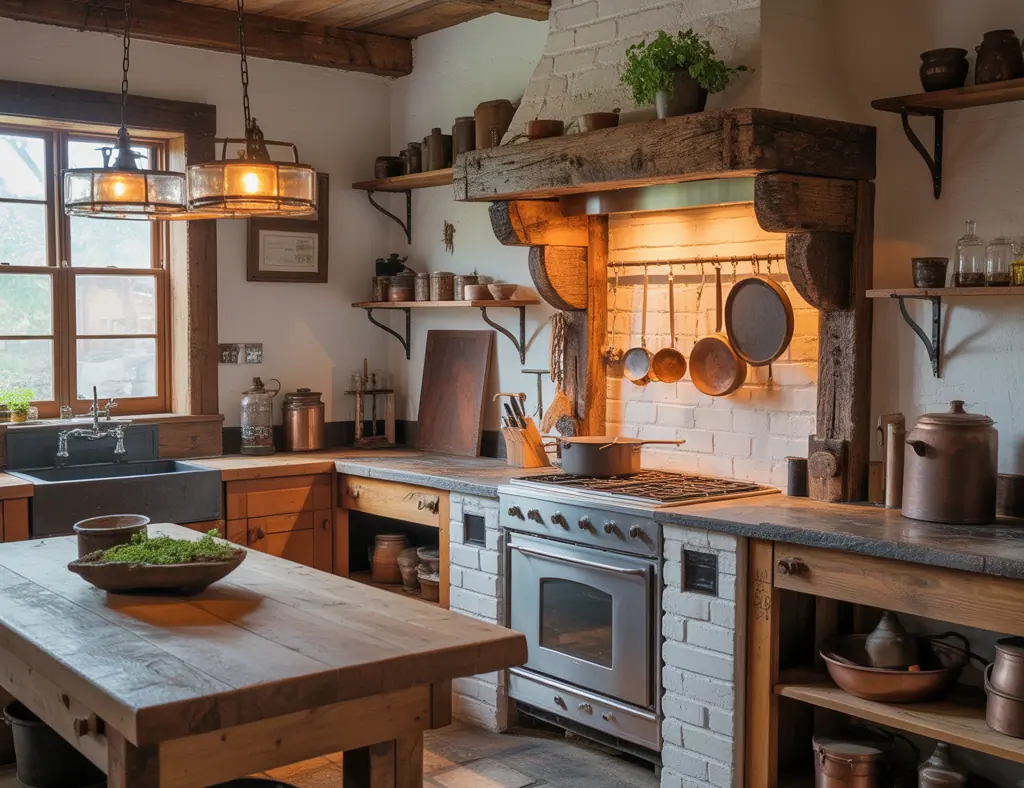
Primitive rustic kitchen decor blends the simplicity of early country living with the rough-hewn beauty of natural materials. Think worn wood, iron hardware, muted colors, hand-thrown pottery, and vintage finds that tell a story. This style is sometimes called primitive farmhouse or country primitive and emphasizes authenticity over perfection—an ideal match for homeowners who prefer a lived-in, welcoming kitchen.
Why Choose Primitive Rustic Style?
- Warmth and character: Natural patina and vintage pieces create a cozy atmosphere.
- Budget-friendly updates: Thrifted items and reclaimed materials can cut costs.
- Easy to DIY: Many updates are within reach for a weekend warrior.
- Timeless appeal: Rustic elements age gracefully and can adapt to other decor styles.
Key Elements of Primitive Rustic Kitchen Decor
To capture that primitive feel, focus on a few core elements:
- Materials: Reclaimed wood, matte metal, stone, and worn ceramics.
- Colors: Muted neutrals—olive greens, soft creams, charcoal, and barn-red accents.
- Textures: Distressed finishes, hand-hewn beams, hammered metal.
- Accessories: Enamelware, galvanized buckets, open shelving with mason jars, vintage signs.
Room-by-Room DIY Projects and Step-by-Step Improvement Ideas
1. Reclaimed Wood Open Shelving (Weekend Project)
Open shelves instantly add warmth and function. Use reclaimed lumber for authenticity.
- Measure the wall and decide shelf depth (10–12 inches works for plates and jars).
- Source boards from a reclaimed wood supplier or use pallet wood—sand lightly to remove splinters.
- Cut to size, and attach heavy-duty L-brackets to studs for secure support.
- Finish with a matte wax or a diluted dark stain for a hand-aged look.
- Style with mismatched dishes, jars, and a few baskets to hide clutter.
2. Distressed Cabinet Makeover (Two-Day Refresh)
You don’t need to replace cabinets to get a primitive feel—distressing and paint can do wonders.
- Remove doors and hardware, sand corners lightly to prepare.
- Apply a base coat in a warm neutral (linen, soft gray).
- After drying, sand edges and flat surfaces to reveal base wood or a darker undercoat.
- Replace knobs with iron or wooden pulls for an authentic touch.
3. Farmhouse Sink and Faucet Swap (DIY with Care)
A deep apron-front sink is iconic in primitive kitchens. If full installation is beyond your current skills, consider a similar drop-in sink with vintage-style plumbing fixtures.
- Check cabinet opening and support requirements before purchase.
- For a budget version, paint existing sink base and pair with a weathered brass faucet.
4. Vintage Lighting and Simple Fixtures
Swap out glossy modern fixtures for pendant lights with Edison bulbs, metal shades, or glass globes with a slightly smoked finish. Hardwiring may require an electrician—but changing shades or lampshades is an easy weekend hack.
Styling Tips: How to Accessorize a Primitive Rustic Kitchen
- Layer textures: linen towels, braided rugs, and wooden cutting boards create depth.
- Use practical decor: keep mason jars for dry goods, stack enamel pots, hang copper pans.
- Group items in odd numbers for visual interest—three jars, five mugs.
- Add greenery: a simple herb pot or dried lavender bundle adds color and scent.
Budget-Friendly Sourcing and Upcycling Ideas
Creating a primitive look doesn’t require a big budget—antique shops, estate sales, and thrift stores are gold mines. Look for:
- Old wooden crates to become under-shelf storage.
- Galvanized metal buckets for utensils or planters.
- Worn cutting boards as serving platters and decor.
DIY upcycling ideas: sand and stain a thrift-store table for a rustic island, or convert an old ladder into a pot rack. These small projects add big character and are perfect for practicing basic woodworking and painting skills.
Maintenance and Practical Considerations
Primitive surfaces can be forgiving, but some maintenance helps them last:
- Seal open-grain wood shelves with food-safe oil to prevent stains.
- Use liners on high-moisture areas to protect wood around sinks.
- Regularly tighten hardware—antique knobs can loosen with temperature changes.
- Accept natural wear: the patina is part of the charm, but address mold or rot immediately.
Design Inspiration: Blending Primitive Rustic with Modern Needs
You can enjoy the warmth of primitive rustic design while keeping modern function. Try:
- Hidden appliances: panel your dishwasher to match distressed cabinetry.
- Smart storage: use deep drawers with butcher-block inserts for efficient prep space.
- Mixed finishes: pair matte black hardware with warm wood for a balanced look.
Primitive Rustic Kitchen Decor Ideas (Subheading Including Main Keyword)
From reclaimed wood countertops to vintage china displays, primitive rustic kitchen decor ideas should prioritize natural materials, timeworn finishes, and practical antiques. Consider a wall-mounted plate rack, a butcher block island on casters, or a corner pantry with sliding barn doors to accentuate that primitive farmhouse aesthetic.
Frequently Asked Questions
Q1: Is primitive rustic kitchen decor good for small kitchens?
A1: Yes. Focus on light neutral colors, open shelving instead of bulky upper cabinets, and multipurpose furniture like islands with storage. Small vintage pieces and vertical storage maintain the charm without crowding the space.
Q2: How can I make modern appliances fit a primitive rustic kitchen?
A2: Hide modernity with panel-ready appliances, use vintage-style knobs and faucets, and balance sleek appliances with lots of wood and textured accents. Rugs and warm lighting also soften the modern edges.
Q3: What finishes work best for a primitive kitchen floor?
A3: Wide-plank hardwood (stained and slightly distressed) is classic. For durability, consider reclaimed wood-look vinyl or textured stone tiles in warm, earthy tones to mimic original farmhouse floors while being easier to maintain.
Conclusion: Start Your Primitive Rustic Kitchen Makeover
Creating a primitive rustic kitchen decor scheme is about celebrating imperfection, prioritizing natural materials, and choosing practical vintage-inspired elements. Start small—an open shelf, new pulls, or a distressed paint job—and build over time. If you’re ready to try a weekend project, check out more hands-on ideas on our DIY projects page and plan larger changes with tips on kitchen upgrades or browse other looks on our home design ideas page.
Ready to roll up your sleeves? Pick one project from this guide, gather your tools, and create a kitchen that feels like home. Share your before-and-after photos or questions in the comments—let’s make something beautiful together.