

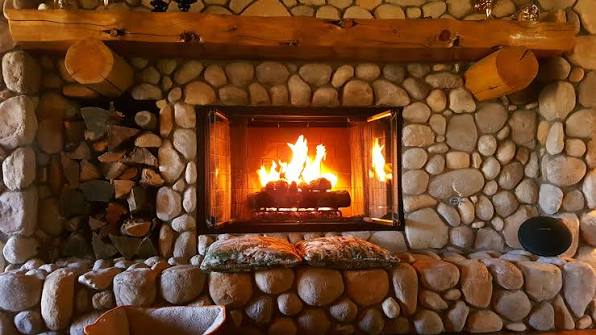
Awakening the Hearth After Summer Hibernation
As crisp autumn breezes replace muggy summer evenings, there is an unmistakable urge to pour a warm drink, crack open a good book, and light the season’s first roaring fire. But after months of sitting idle through humid summer days, your fireplace and venting system aren’t immediately ready for action. Lighting a fire in an uninspected, unprepared fireplace is the mechanical equivalent of starting a classic car that has been sitting in a barn for six months and flooring it down the highway. Dust accumulation, nesting pests, dried-out gasket seals, and lingering creosote deposits can quickly turn a cozy evening into a smoky, hazardous situation. A systematic pre-season check ensures your system runs smoothly, smells fresh, and exhausts safely from the moment you drop the first match.
Clearing the Flue and Scouring Creosote Build-Up
During the burning season, wood smoke leaves a sticky byproduct called creosote along the inner walls of your flue liner. Over the summer, ambient moisture mixes with these deposits, creating an acidic, tar-like film or crunchy glaze that restricts flue capacity. Birds, squirrels, and wasps also often treat quiet chimney flues as prime real estate in spring and summer, leaving behind twigs, leaves, and mud nests. Sweeping the flue with specialized poly or steel wire brushes attached to flexible rotary rods removes these combustible blockages. A completely clear venting passage is the foundation of fireplace safety, as even a minor bird nest can block draft pressure and send toxic carbon monoxide back into your living room.
Inspecting the Throat Damper and Mechanical Components
The throat damper is your system’s primary boundary between interior room air and the outdoor elements. Located just above the firebox, this metal plate must open and close smoothly to establish proper draft dynamics. Over summer, humidity often causes rust and corrosion along the damper pivot points, worm gears, and frame housings. Mechanically exercising the damper handle, applying high-temperature silicone lubricants, and scrubbing away surface rust ensures the damper forms a tight seal when closed and opens fully when in use. A warped or sticking damper prevents full draft formation, leading to immediate back-puffing and smoke spillage during your first startup fire.
Examining Firebrick and Refractory Mortar Integrity
Inside the firebox, individual firebricks and refractory mortar joints endure severe thermal shock every time a fire burns. Over time, heat expansion and contraction cause micro-fractures in the mortar and hairline cracks across the bricks. During the offseason, moisture absorption can widen these subtle cracks. Inspecting the interior walls for missing mortar, crumbling brick faces, or gaps wider than a sixteenth of an inch is critical. Gaps in the firebox lining allow intense heat to penetrate behind the refractory wall, potentially igniting wooden framing studs hidden inside the building envelope. Applying high-temperature hearth mortar to repair minor cracks restores the firebox’s protective thermal barrier. For comprehensive technical guidance and full-service seasonal maintenance support, consult with experienced technicians at Chimneyz to ensure your heating system meets all safety standards.
Managing Initial Fire Startup and Airflow Calibration
When you are finally ready to light that inaugural autumn fire, standard fire-building rules require a slight adjustment to overcome cold hearth syndrome. Cold air trapped in an exterior chimney flue acts like a dense, heavy plug that resists moving upward. If you light a large fire immediately, the heat cannot push past this cold air column, so smoke pours into your living room. To prevent this, prime the draft first by rolling up a piece of newspaper, lighting the end, and holding it near the open damper for thirty seconds. This quick burst of heat warms the flue column, establishes a strong upward draft, and ensures your firewood burns hot, clean, and smoke-free from the start.
Ensuring Safe and Warm Autumn Evenings Ahead
Preparing your hearth for autumn is a rewarding pre-season ritual that guarantees safety, efficiency, and peak heating performance. By thoroughly clearing flue obstructions, servicing mechanical dampers, inspecting refractory masonry walls, and properly priming the initial draft, you transform your hearth into a reliable sanctuary of warmth. Never rush the process or skip basic diagnostic checks when transitioning into the cold weather season. Contact a certified hearth specialist today to book a comprehensive pre-autumn inspection and fire up your system this fall with confidence.

