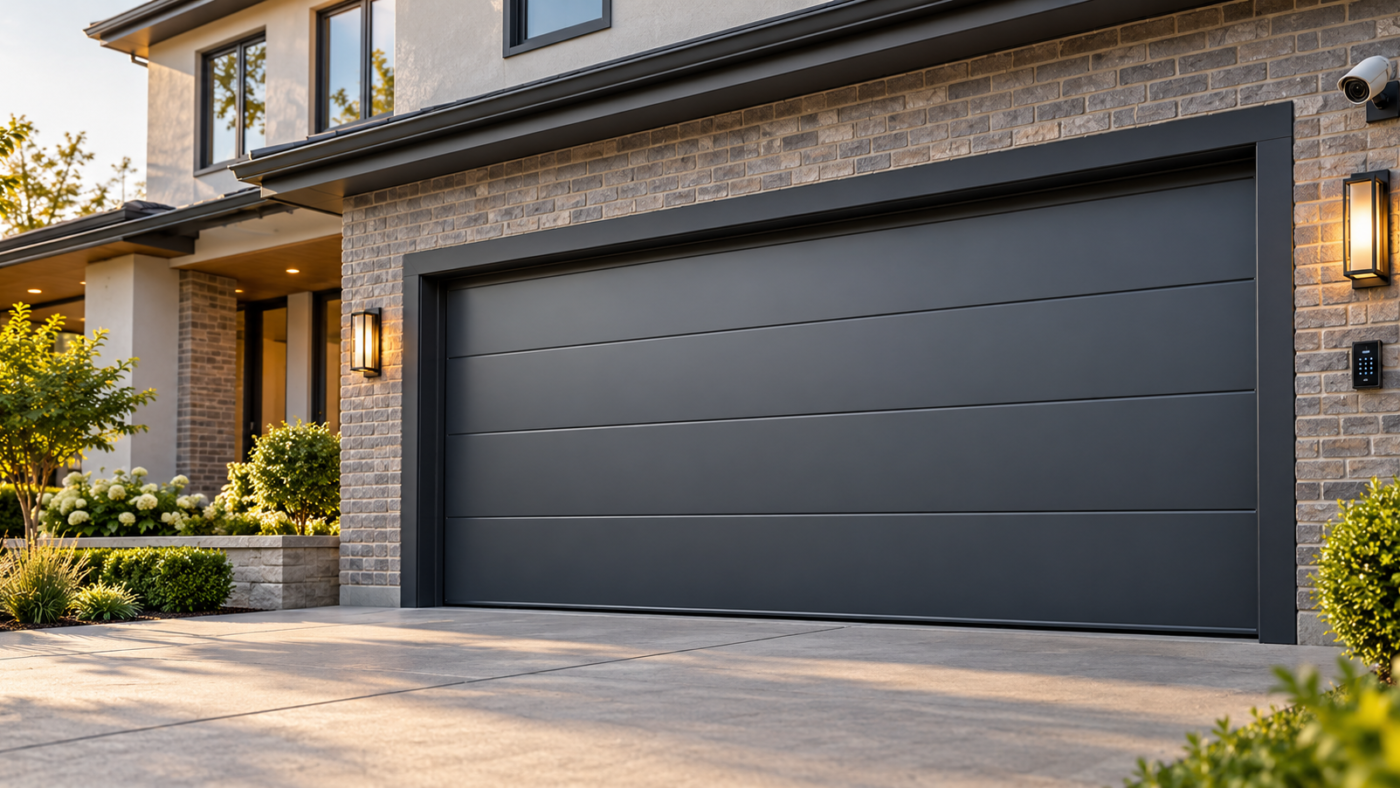
Think about the last time you upgraded your home security. You probably installed a sleek video doorbell, slapped a smart keypad on the front door, or placed motion-activated spotlights near the driveway. Meanwhile, right beside your living space sits a massive, two-hundred-pound moving wall of thin steel or aging wood that people overlook. Intruders know that the garage is often the path of least resistance into a building, especially when an attached inner door remains unlocked. Upgrading to a robust overhead barrier is not just about curb appeal; it is about building an unyielding front-line defense for your family, vehicles, and stored valuables.
The Unsung Guardian at the Front of Your Fortress
Many property owners treat the garage door as an afterthought until a spring snaps or an errant lawnmower dents a panel. Yet, mechanically and structurally, this single component represents the largest opening in your entire building envelope. A flimsy, single-layer aluminum or aging hollow-core door offers little resistance to a determined intruder with a pry bar. When an uninvited visitor realizes they can flex thin panels or force open weak bottom weatherstripping in complete privacy, your entire property becomes vulnerable. Investing in heavy-duty construction turns your garage from a soft target into a fortress.
Anatomy of a Defensible Door Panel
Not all steel panels are forged equal, and understanding panel gauge is crucial for genuine security. Lower-end doors often utilize 27- or 28-gauge steel, which feels surprisingly pliable under localized pressure. High-security residential overhead doors step up to 24-gauge or heavy-duty 20-gauge steel that resists denting, kicking, and mechanical prying. Triple-layer sandwich doors go a step further by bonding an exterior steel skin to a solid polyurethane foam insulation core, backed by an interior steel faceplate. This rigid core does more than keep winter chill out of your workshop; it creates an exceptionally rigid structure that will not buckle easily when pushed or pulled.
Disarming the Infamous Coat Hanger Trick
One of the most frustrating vulnerabilities in traditional garage setups is remarkably low-tech. An intruder slips a stiff wire coat hanger through the soft rubber top weatherseal, hooks the emergency release rope on the opener trolley, and tugs it backward to disengage the carriage. Within six seconds, the door disengages from the motor rail and can be manually lifted from the outside without triggering any alarms. You can defeat this clever trick by installing a specialized emergency-release shield, trimming the hanging cord handle, or using high-mount mechanical latch covers that block outside wire access while still allowing safe emergency operation from the inside.
Rolling Codes and Smart Opener Defense
Security extends far beyond thick steel skins into the electronic brain hanging from your ceiling. Ancient automatic openers used fixed dip-switch frequencies, so an intruder driving down your street with a code-grabber device could capture your remote signal and replicate it instantly. Modern openers use advanced rolling code technology, generating a unique encrypted security key from billions of possibilities every time you press your visor remote. Pair this with Wi-Fi-enabled smart openers that send real-time alerts to your smartphone whenever the door moves, so you can monitor access from anywhere on earth.
Reinforcing Tracks, Hinges, and Torsion Springs
A heavy-duty panel is only as secure as the hardware anchoring it to your building framework. Intruders know that if they can pop the rollers out of lightweight, flexible tracks, the door will fold inward. Professional-grade installations feature heavy 14-gauge galvanized steel tracks, heavy-duty commercial rollers equipped with sealed ball bearings, and reinforced steel center hinges. A properly balanced torsion spring system also keeps the door seated firmly against the concrete floor header, preventing anyone from wedging a crowbar beneath the bottom rubber astragal seal. Adding internal slide deadbolts mounted directly to the track adds an extra layer of mechanical locking when you head out on vacation.
Choosing the Right Defense System for Your Property
Selecting the ideal overhead door requires balancing material durability, locking mechanisms, insulation values, and aesthetic style. When searching for secure garage doors, look for pinch-resistant panel designs, tempered glass inserts positioned only in the top section to prevent entry peeking, and high-tensile track brackets. Investing in commercial-grade structural hardware and professionally adjusted torsion assemblies ensures your entry barrier performs flawlessly in daily use while standing firm against unauthorized intrusion, heavy storms, and forced-entry attempts.
Fortifying Your Perimeter with Expert Craftsmanship
A robust garage door serves as your property’s first line of defense, combining physical steel strength with cutting-edge electronic encryption. By replacing lightweight single-skin panels with insulated, triple-layer steel, shielding your emergency trolley release, upgrading to rolling-code openers, and reinforcing structural track hardware, you close the common loopholes burglars exploit. Do not wait for a security compromise to expose weak links in your building perimeter. Consult with experienced garage door technicians today to inspect your system, upgrade your locking hardware, and install a sturdy overhead door that keeps your property safe, quiet, and secure for years to come.