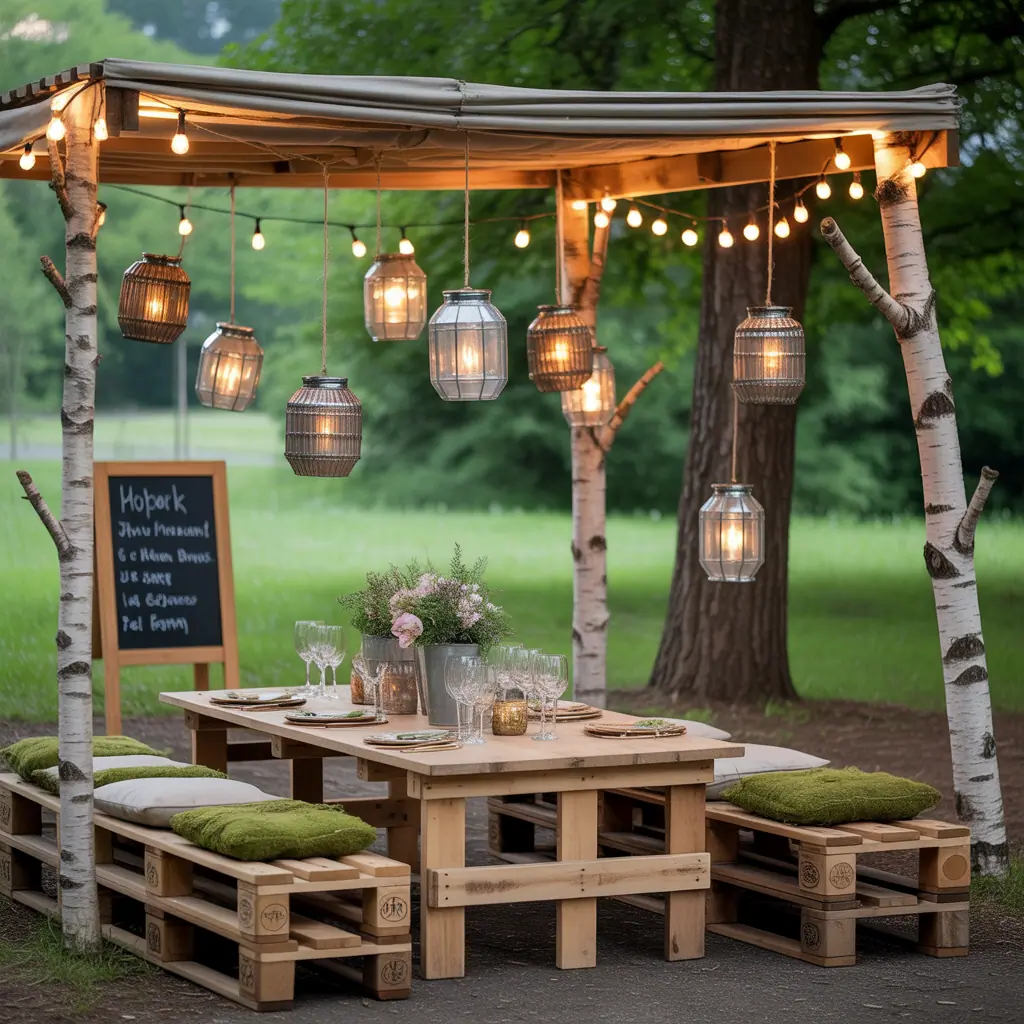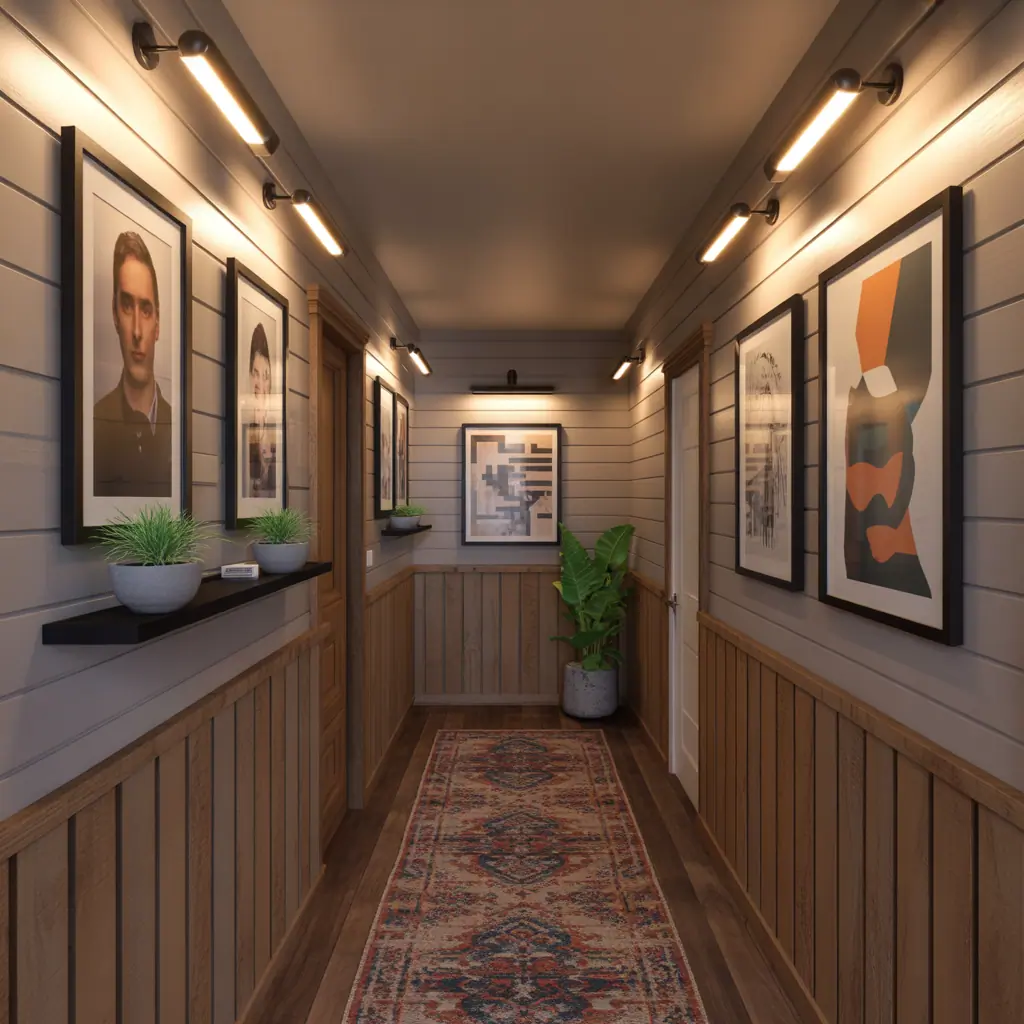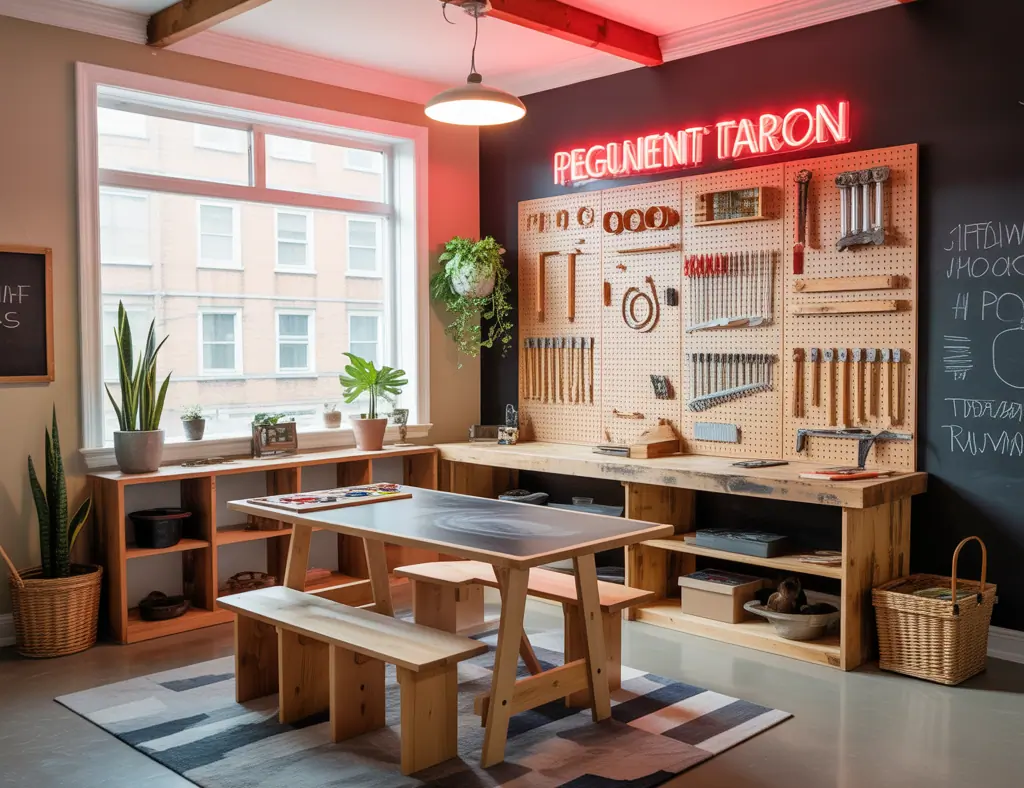
Ever stood in a spare bedroom, unfinished basement, or garage and wondered, “What if this could be a place just for me?” Between the laundry baskets and boxes, there’s often untapped square footage that’s perfect for an adult playroom — a grown-up game room, hobby studio, or relaxation zone. If you’re ready to trade clutter for creativity, this guide will walk you through practical, DIY-friendly playroom ideas for grownups that fit any budget and skill level.
Why create an adult playroom?
Adults need spaces to decompress, explore hobbies, host friends, and be creative — just like kids do. Creating an entertainment room or creative studio for adults raises home enjoyment and can increase usable living space value. Whether you want a she-shed, man cave, or a multi-purpose hobby room, the goal is the same: build a retreat that matches your lifestyle.
Planning your adult playroom: first steps
1. Choose a focus (or keep it flexible)
Decide whether the room will be primarily for gaming, crafting, fitness, reading, or entertaining. A single-purpose room lets you optimize layout and storage; a multi-use playroom for grownups uses zoning to separate functions (e.g., a corner fitness area and a media wall).
2. Set a budget and timeline
Small refreshes can be under $500 (paint, new shelves, thrifted furniture). Moderate updates including flooring, built-ins, and lighting usually run $1,500–$6,000. Big conversions (basement theater, major wiring) require $6,000+ and may need pros. Decide what you’ll DIY and what to hire out.
3. Measure, zone, and prioritize
Measure the space, sketch zones on paper or a free app: seating/media, storage, hobby table, and circulation space. Prioritize must-haves (e.g., a sturdy worktable for craft projects or acoustic panels for a music setup).
Best playroom ideas for grownups (practical designs and DIY tips)
Game and entertainment room
- Design: Large sectional or modular seating, wall-mounted TV or projector, console shelf, and ambient lighting.
- DIY tips: Mount the TV at eye level for seated viewing, build a simple floating media shelf with pine boards and brackets, use peel-and-stick acoustic panels to reduce echo, and install dimmable LED strips behind the TV for bias lighting.
- Step-by-step: 1) Paint walls a rich, low-gloss color. 2) Install TV mount and cable raceway. 3) Add seating and rugs for comfort. 4) Place a mini-fridge or bar cart for drinks.
Hobby and craft studio (creative studio for adults)
- Design: A large worktable, pegboard for tools, abundant task lighting, and closed storage for supplies.
- DIY tips: Build a durable butcher-block tabletop, affix a wall-mounted pegboard system for tool organization, use clear stacking bins with labels, and repurpose an old dresser into craft supply storage with drawer dividers.
- Step-by-step: 1) Lay protective flooring (vinyl or drop cloths). 2) Install bright overhead LED fixtures. 3) Anchor a worktable and mounting shelves. 4) Create a waste/recycling and drying area.
Home gym and yoga studio
- Design: Rubber or foam flooring, wall mirrors, storage for mats and dumbbells, and a sound system for classes or playlists.
- DIY tips: Use interlocking foam tiles for an inexpensive floor, install full-length mirrors on one wall (or mirror film), and create a storage bench with cubbies for small equipment.
- Real-world advice: Keep ventilation and dehumidification in mind; a small dehumidifier prevents mold in basements.
Reading and relaxation nook
- Design: Built-in bookcases, an oversized comfy chair or daybed, soft lighting, and layered rugs.
- DIY tips: Convert a closet into a reading alcove with insulation, a cushioned bench, and shelving. Use peel-and-stick wallpaper to add personality without permanence.
Home bar and tasting room
- Design: Low-profile bar counter, backlit shelving, glassware hooks, and mood lighting.
- DIY tips: Upcycle an old dresser or table into a bar, install under-shelf LED strips for ambiance, and anchor a wine rack to an unused wall.
Tech and streaming setup
- Design: Acoustic treatments, ergonomic desk and chair, cable management, and controlled lighting for streaming or content creation.
- DIY tips: Create a simple sound booth with moving blankets, build a desk with grommet holes for cables, and use smart plugs to control lighting presets.
Smart DIY finishes that transform a space
Small changes add big impact: fresh paint in a moody hue, new door hardware, layered lighting (ambient, task, accent), and clever storage. Consider removable options like peel-and-stick flooring and wallpaper if you’re renting. Upcycle thrift finds — a vintage locker becomes a statement storage unit, and industrial lighting adds character without high cost.
Practical tips for success
- Acoustics: Add rugs, fabric wall art, and bookshelves to absorb sound in game rooms or music studios.
- Lighting: Use dimmers and multiple light sources for different activities.
- Safety and wiring: Hire an electrician for new circuits and heavy appliance wiring. Use surge protectors for expensive electronics.
- Storage: Designate zones with labeled bins, pegboards, and built-in cubbies to keep hobbies tidy.
- Comfort: Invest in one high-quality seating piece; it elevates the whole room.
Step-by-step mini project: Convert a small spare room into a grown-up playroom (weekend plan)
- Clear out and deep clean the room (Day 1 morning).
- Paint walls and ceiling in your chosen color (Day 1 afternoon).
- Install lighting and wall mounts (Day 2 morning).
- Assemble furniture and storage; position rugs and décor (Day 2 afternoon).
- Add finishing touches: art, plants, and accessories. Test electronics and speakers (Evening).
Frequently Asked Questions
1. How much does it cost to create a playroom for grownups?
Costs vary widely: a cosmetic refresh (paint, lighting, thrifted furniture) can be under $500. Mid-range projects with new flooring, built-ins, or a projector typically fall between $1,500–$6,000. Major conversions with electrical, HVAC, or structural changes exceed $6,000. DIYing can save significantly on labor.
2. Which room in the house is best for an adult playroom?
Basements, spare bedrooms, garages (insulated), and underused dining rooms are great options. Choose a space with good access, sound control, and ventilation. Basements are popular for home theaters, while spare bedrooms work well for gaming or crafts.
3. How can I control noise in a grown-up game room?
Use acoustic panels, heavy curtains, rugs, and upholstered furniture to absorb sound. Seal gaps around doors and install weatherstripping. For significant noise issues, consider mass-loaded vinyl or additional drywall with sound dampening between studs.
Conclusion: Bring your playroom ideas for grownups to life
Whether you want a grown-up game room, a calm reading nook, or a full-on creative studio, thoughtful planning and smart DIY choices make it achievable. Start small, prioritize comfort and storage, and let your passions drive the design. Ready to get hands-on? Explore more DIY projects for step-by-step help, or check out related inspiration on home design ideas and kitchen upgrades if you’re refreshing multiple spaces. Share your vision and take the first step — transform an unused room into the adult playroom you deserve.
Call to action: Grab a notepad, sketch your ideal layout, and pick one weekend project to start — then come back and tell us how it went.