Have you ever stepped into your backyard and felt overwhelmed by cluttered beds, a soggy lawn, or a patio that just doesn’t invite you to stay? You’re not alone. Whether you’re tackling a first-time landscaping project or refreshing a tired outdoor space, a smart outdoor garden schemes layout can turn chaos into calm — and most of it you can do yourself with a weekend of work and a little planning.
Why a Thoughtful Outdoor Garden Schemes Layout Matters
A well-designed layout does more than look good. It improves usability, reduces maintenance, and makes the most of light, soil, and seasonal interest. Good planning creates zones — dining, play, planting, and storage — so every square meter of your yard has a purpose. Plus, clear layout planning helps when budgeting for materials, plants, and DIY labor.
Quick-Start Checklist: Plan Your Garden Layout Like a Pro
- Measure the space and draw a simple plan to scale.
- Note sun paths, wind patterns, drainage, and views.
- Decide on primary functions: entertaining, vegetable gardening, play area, or a low-maintenance retreat.
- Create zones: hardscape (paths/patio), softscape (beds/lawn), and vertical features (trellises/walls).
- Choose a focal point — a tree, firepit, pond, or sculpture — to anchor the design.
Measure and Map
Use graph paper or a free app to sketch property lines, building footprints, and fixed features. Long-tail keywords like small garden layout ideas or backyard landscaping plans are useful to search for inspiration once you have a base map.
Sun, Soil, and Slope
Mark sunny and shady areas at different times of day. Test soil drainage with a simple hole test: dig, fill with water, and time how long it takes to drain. Good planting schemes and plant placement depend on these observations.
Outdoor Garden Schemes Layout: Design Inspiration and Ideas
Below are adaptable garden layout concepts that work for a variety of yards — think of them as templates you can customize.
1. The Zonal Backyard (Family-Friendly)
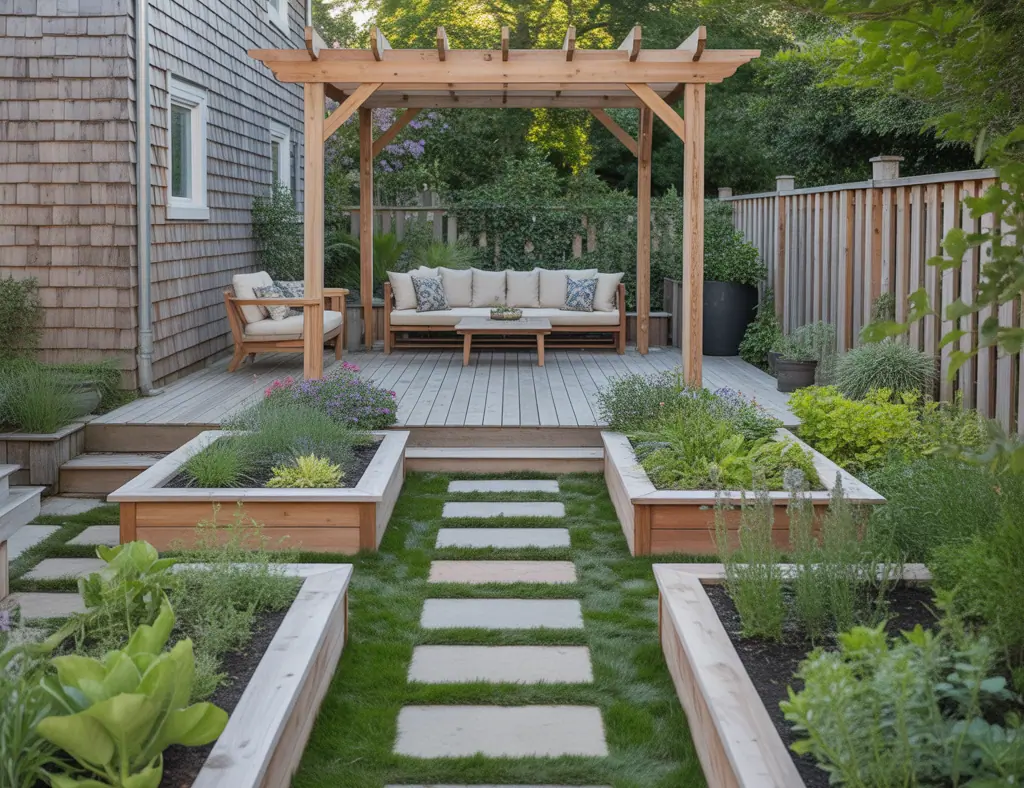
- Zone A: Dining & entertaining — extend patio space with pavers or decking.
- Zone B: Play area — use artificial turf or compacted gravel for durability.
- Zone C: Planting beds and edible garden — raised beds near the kitchen for easy access.
2. Small Garden Layout Ideas (Urban & Patio Gardens)
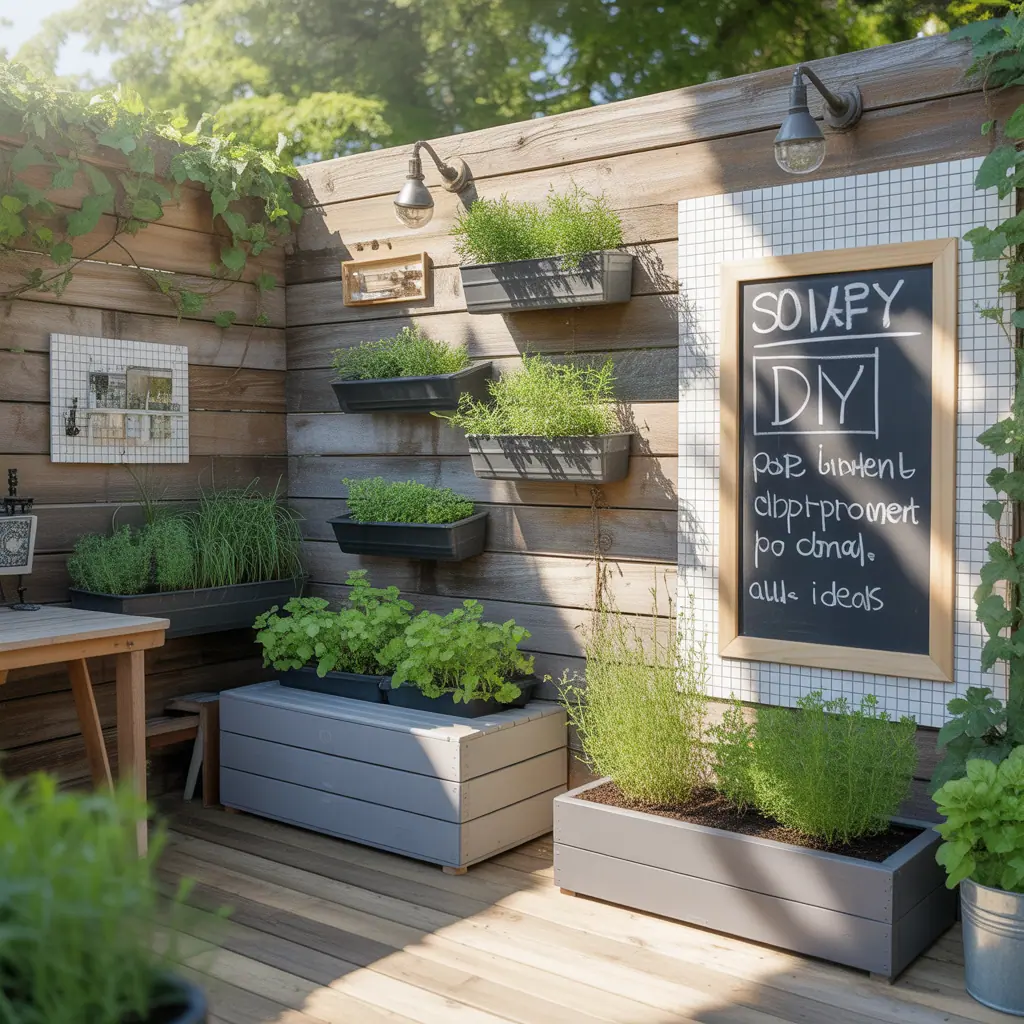
- Vertical planting on walls and trellises to maximize floor area.
- Use containers and multi-tier planters for herbs and compact vegetables.
- Create a single focal path with stepping stones to make the space feel longer.
3. Low-Maintenance Scheme (Easy-Care Landscaping)
- Choose drought-tolerant perennials and native planting schemes.
- Use mulch, groundcover, and weed-suppressing fabrics to cut chores.
- Install drip irrigation for efficient watering of beds and raised planters.
Step-by-Step Weekend Project: Build a Simple Raised-Bed Layout
This DIY project creates structure quickly and works for vegetable or ornamental planting.
- Materials: 3–4 cedar sleepers (2.4m), screws, drill, landscape fabric, compost, soil mix.
- Step 1 — Locate: Choose a sunny, level spot close to a water source.
- Step 2 — Measure & mark: Lay out the rectangular bed (1.2m wide is ideal for reach).
- Step 3 — Assemble: Fix sleepers into a box, pre-drill to avoid splitting.
- Step 4 — Prepare base: Lay landscape fabric to suppress weeds and improve drainage.
- Step 5 — Fill & plant: Add a 50/50 mix of topsoil and compost, then plant your chosen herbs, lettuces, or flowers.
- Step 6 — Mulch & water: Apply mulch and install a simple soaker hose for easy irrigation.
Planting Schemes and Seasonal Interest
Design planting schemes to provide color and texture from spring through autumn. Mix evergreen structure with flowering perennials, contrast leaf shapes, and stagger bloom times. For vegetable garden layout, group plants by water needs and height (tall at the north side). Companion planting can improve yields and reduce pests.
Color and Scale Tips
- Use three dominant plant colors and a couple of accent hues to keep the palette cohesive.
- Plant in odd-number groupings to create a natural look.
- Include at least one specimen plant (a small tree or large shrub) to provide year-round interest.
Materials, Budgeting, and Cost-Saving Tips
Keep costs down with these practical ideas:
- Reclaim timber or pallets for informal raised beds and edging.
- Use pea gravel or crushed stone instead of poured concrete for pathways.
- Buy perennials instead of annuals to save money over time — they return each year.
- Swap plants with neighbors or attend local plant exchanges to expand your collection.
Maintenance: Keep Your Layout Working Long-Term
Design with maintenance in mind: choose resilient plants, group by irrigation needs, and plan for seasonal tasks. Create a simple maintenance calendar: spring pruning, summer watering checks, autumn mulching, and winter tool care. Small, regular efforts make a big difference.
Practical Design Inspiration for Every Yard
Look for ideas that match your lifestyle: a low-maintenance native garden for busy homeowners, a compact edible layout for urban gardeners, or a layered cottage-style planting scheme for charm. Sketch three variations of your layout — conservative, bold, and budget — then pick elements from each to develop one final plan.
Frequently Asked Questions
Q: How do I start planning an outdoor garden schemes layout on a small budget?
A: Begin by measuring and zoning your space, then prioritize high-impact, low-cost changes: add a focal path, create one raised bed, and choose perennials. Use reclaimed materials and swap plants locally to stretch your budget.
Q: What plants work best for a low-maintenance garden layout?
A: Choose drought-tolerant perennials, native species, evergreen shrubs for structure, and groundcovers to suppress weeds. Examples include lavender, sedum, ornamental grasses, and hardy shrubs suited to your climate.
Q: Can I design a functional vegetable garden within a small outdoor garden schemes layout?
A: Absolutely. Use raised beds or containers, place them near the kitchen for easy harvesting, and use vertical supports for vining crops. Group plants by water and sun needs to simplify care.
If you’re ready to get hands-on, check out our DIY projects guide for tools and step-by-step tutorials, and visit our home design ideas page for layout inspiration that ties indoor and outdoor spaces together.
Conclusion
Transforming your yard starts with a clear outdoor garden schemes layout: measure, zone, choose focal points, and pick plants that match your lifestyle. With practical DIY steps like building raised beds, creating efficient pathways, and choosing low-maintenance planting schemes, you can create a functional, beautiful outdoor living area without breaking the bank. Ready to start your garden makeover? Grab a notepad, sketch your layout this weekend, and try one small project — then share your progress and questions with our community.
Call to action: Start your layout now — sketch your plan, pick one DIY project from our DIY projects list, and transform your outdoor space this season.