The Role of Plumbing in Maintaining Indoor Air Quality
While we often associate indoor air quality with HVAC systems, our plumbing plays an equally critical, though less obvious, role. A well-functioning plumbing system is essential for preventing pollutants from entering our living spaces. Issues like sewer gas leaks or organic buildup within drains can significantly compromise the air we breathe.
Sewer gas, a byproduct of waste decomposition, contains a mixture of gases, including hydrogen sulfide, ammonia, and methane. These gases not only produce unpleasant odors but can also pose health risks in high concentrations. When drain traps dry out, or vent pipes are clogged, these gases can escape into your home. Similarly, organic buildup – a slimy accumulation of hair, soap scum, food particles, and other debris – can become a breeding ground for bacteria and mold within your drains. As these microorganisms thrive, they release spores and volatile organic compounds (VOCs) into the air, contributing to allergens and irritants.
Preventing these issues is paramount for a healthy home. Regular maintenance and prompt attention to plumbing problems can mitigate the risk of these airborne pollutants. Understanding the specific challenges and solutions for maintaining clean drains and good air quality in your area is vital. For residents seeking to ensure optimal indoor air quality through proper plumbing maintenance, focusing on Collinsville drain and air quality is a proactive step towards a healthier home environment.
Common airborne pollutants from drains can include:
- Hydrogen Sulfide: Responsible for the “rotten egg” smell, it can cause headaches, nausea, and respiratory issues.
- Ammonia: A pungent gas that can irritate eyes, nose, and throat.
- Methane: While not directly toxic, it can displace oxygen and is highly flammable.
- Mold Spores: Released from damp, organic matter, these can trigger allergies, asthma, and other respiratory problems.
- Bacteria: Certain bacteria can aerosolize from drain buildup, contributing to poor air quality and potential health concerns.
- VOCs (Volatile Organic Compounds): Emitted by decaying organic material, these can cause various health effects, including respiratory irritation.
HVAC Essentials for Optimal Air Circulation
Just as plumbing prevents contaminants from entering our homes, our HVAC system actively works to circulate and clean the air within. Optimal air circulation is a cornerstone of home comfort and health, and it relies on several key HVAC components and practices.
Effective ventilation is crucial. It ensures that stale, pollutant-laden indoor air is replaced with fresh outdoor air, preventing the buildup of allergens, dust, and other airborne irritants. Modern HVAC systems often incorporate energy recovery ventilators (ERVs) or heat recovery ventilators (HRVs) to achieve this efficiently, minimizing energy loss while improving air exchange.
Humidity control is another vital aspect. Excess humidity can create an ideal environment for mold and mildew growth, which, as we discussed, can release spores into the air. Conversely, overly dry air can irritate respiratory passages and exacerbate conditions like asthma. Our HVAC systems, particularly air conditioners and humidifiers/dehumidifiers, play a significant role in maintaining balanced indoor humidity levels, typically between 30-50%.
The system efficiency of your HVAC unit directly impacts its ability to clean and circulate air effectively. An inefficient system may struggle to maintain desired temperatures, leading to prolonged operation and increased energy consumption without adequately addressing air quality concerns. Regular maintenance, including cleaning coils and ensuring proper refrigerant levels, helps maintain peak efficiency.
Finally, airflow optimization ensures that conditioned and filtered air reaches every corner of your home. This involves correctly sized ductwork, clean vents, and unobstructed returns. Blocked vents or leaky ducts can reduce airflow, creating uneven temperatures and allowing dust and allergens to settle in stagnant areas.
Advanced Filtration for Better Indoor Air Quality
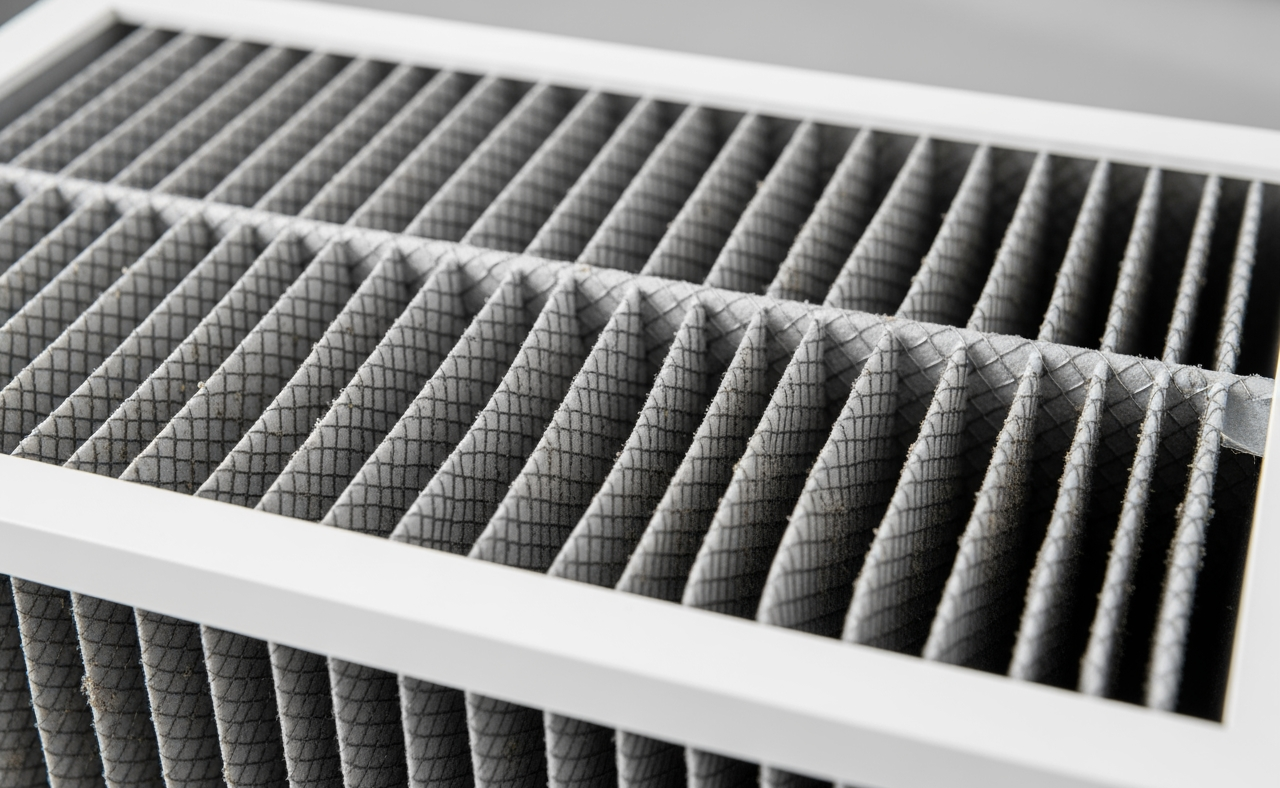
Beyond basic air circulation, advanced filtration is a powerful tool for enhancing indoor air quality. The right filter can capture a vast array of airborne particles, significantly reducing allergens and pollutants.
HEPA filters (High-Efficiency Particulate Air) are among the most effective, capable of trapping 99.97% of airborne particles 0.3 microns in size. This includes dust mites, pet dander, pollen, and even some bacteria and viruses. While HEPA filters are highly effective, they can restrict airflow if not properly integrated into an HVAC system, often requiring powerful fans or dedicated air purification units.
For central HVAC systems, MERV ratings (Minimum Efficiency Reporting Value) are a common standard. MERV ratings indicate a filter’s ability to capture larger particles between 0.3 and 10 microns. Filters with higher MERV ratings (e.g., MERV 11-13) offer better filtration for common household pollutants like dust particles, pollen, mold spores, and pet dander, without significantly impeding airflow in most residential systems. Filters with MERV 16 or higher are often considered hospital-grade.
Regularly replacing your HVAC filter, especially with a higher MERV-rated filter, is a simple yet impactful step. It directly contributes to dust particle reduction, which is a common trigger for allergies and respiratory issues. Furthermore, it plays a crucial role in pollen reduction, offering significant relief to allergy sufferers during peak seasons. The cleaner your filter keeps the air, the less burden on your respiratory system and the cleaner your home remains.
Addressing Drainage Issues to Protect Home Wellness
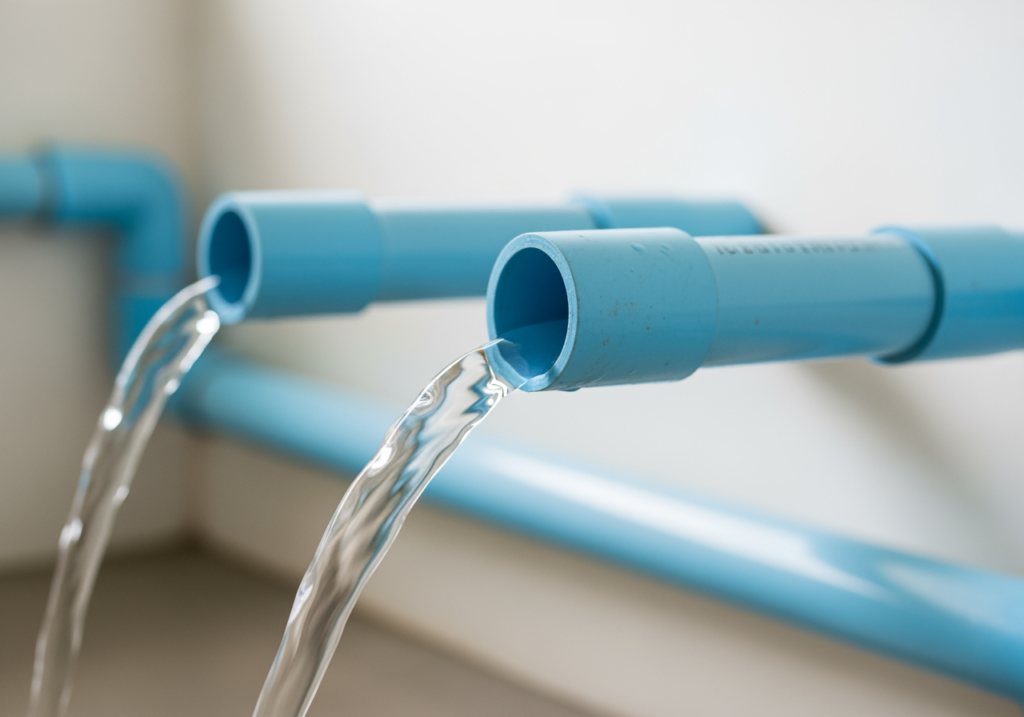
Just as we prioritize clean air, clear drains are fundamental to a healthy and hygienic home. Drainage issues are more than just an inconvenience; they can quickly escalate into problems that threaten your property and well-being.
One of the most common indicators of a developing problem is slow drains. Water that takes longer than usual to recede in sinks, showers, or tubs often signals a partial blockage forming. This could be due to accumulated hair, soap scum, grease, or other debris gradually narrowing the pipe. Ignoring slow drains can lead to complete blockages.
Gurgling noises coming from your drains or toilet are another warning sign. These sounds occur when air is trapped in the plumbing system, often due to a partial clog disrupting the normal flow of water and air through the vent pipes. This indicates that your drainage system is struggling and could soon face a more severe obstruction.
When these signs appear, professional intervention is often the most effective solution. Plumbers in Collinsville, OK, utilize various methods to clear stubborn clogs. One highly effective technique is hydrojetting. This process involves using high-pressure water jets to blast away buildup, grease, tree roots, and other obstructions from the inside of your pipes. It’s a thorough cleaning method that not only clears the immediate clog but also cleans the pipe walls, helping to prevent future blockages. For less severe clogs, mechanical augers or drain snakes are often used for efficient professional clearing. These tools physically break apart or retrieve the obstruction, restoring proper flow.
Addressing these drainage issues promptly is crucial. Left untreated, minor clogs can lead to significant problems like sewage backups, burst pipes, and extensive water damage, all of which can severely impact your home’s structure and your family’s health.
How Drain Maintenance Supports Indoor Air Quality
The connection between drain maintenance and indoor air quality is often overlooked, yet it’s a critical link in maintaining a healthy home environment. Regular and effective drain cleaning contributes significantly to better air quality in several ways:
Firstly, proper drain maintenance facilitates odor elimination. As organic waste, food particles, and other debris accumulate in drains, they decompose, releasing foul-smelling gases into your home. These odors are not just unpleasant; they can indicate the presence of harmful gases like hydrogen sulfide. By regularly cleaning drains, we remove the source of these odors, ensuring your home smells fresh and clean.
Secondly, it helps in biofilm removal. Biofilm is a slimy layer of microorganisms that adheres to the inside of pipes. This biological film thrives in damp, dark drain environments and can harbor bacteria and fungi. As water flows, it can aerosolize these microorganisms, releasing them into the air. Professional drain cleaning effectively strips away this biofilm, drastically reducing the potential for airborne bacteria and mold spores.
Thirdly, drain maintenance is a key strategy for mold prevention. Clogged or slow-draining pipes create stagnant water, which is an ideal breeding ground for mold. Mold can grow not only within the pipes but also in surrounding damp areas if leaks occur. The spores released by mold are significant allergens and can cause respiratory issues. By keeping drains clear and free-flowing, we eliminate conditions conducive to mold growth.
Finally, by managing organic waste effectively within the plumbing system, we prevent its decomposition from contributing to indoor air pollution. When organic matter is allowed to accumulate and decay, it releases various volatile organic compounds (VOCs) and gases. Regular drain cleaning ensures that waste is flushed away efficiently, minimizing the opportunity for these harmful substances to impact your indoor air quality. A clean drain is a clean breath.
Frequently Asked Questions about Home Maintenance
Maintaining a comfortable and healthy home involves understanding when and how to address common issues in your plumbing and HVAC systems. We’ve compiled some frequently asked questions to guide you.
When considering home maintenance, it’s helpful to compare the benefits of routine care versus reactive emergency repairs.
Feature Routine Maintenance Emergency Repairs Cost Generally lower, predictable, prevents larger issues Often higher due to urgency, potential for overtime Convenience Scheduled at your leisure, minimal disruption Unscheduled, highly disruptive, immediate action needed System Longevity Extends lifespan, prevents premature wear and tear Addresses immediate failure, may not prevent future issues Homeowner Wellness Reduces stress, ensures comfort, prevents health risks High stress, discomfort, potential health hazards Prevention Proactive, identifies issues before they become critical Reactive, addresses issues after they have escalated Proactive maintenance significantly contributes to system longevity and overall homeowner wellness, saving you money and stress in the long run.
What are the signs that my drains need professional cleaning?
Recognizing the early warning signs of a drain problem can save you from more significant headaches down the line. We often encounter several common indicators that suggest it’s time for professional drain cleaning:
- Slow Drainage: This is perhaps the most obvious sign. If water takes an unusually long time to drain from your sinks, bathtub, or shower, it indicates a partial blockage. This buildup can be anything from hair and soap scum to grease and food particles, gradually constricting the pipe’s diameter.
- Gurgling Sounds: Strange gurgling noises emanating from your drains or toilet after flushing or when water is running elsewhere often signal trapped air within the plumbing system. This usually points to a partial obstruction that is impeding the proper flow of water and air through your vent pipes.
- Unpleasant Odors: Foul smells, particularly a rotten-egg odor (hydrogen sulfide) or a general musty scent, coming from your drains are a clear indication of organic material decomposing within your pipes. This decaying matter not only smells bad but can also be a breeding ground for bacteria and mold, impacting your indoor air quality.
- Frequent Backups: If you experience recurring clogs or sewage backups, even after attempting DIY solutions, it’s a strong sign that the problem is more severe or located deeper within your plumbing system, possibly in the main sewer line. This requires professional diagnosis and clearing.
If you notice any of these signs, it’s wise to consider calling a professional. Early intervention can prevent minor annoyances from becoming major, costly plumbing emergencies.
How often should HVAC filters be replaced?
The frequency with which you should replace your HVAC filters depends on several factors, and it’s a crucial aspect of maintaining good indoor air quality and system efficiency.
- Filter Type: Standard fiberglass filters (low MERV) typically need to be replaced every month. Pleated filters (MERV 8-11) can last 2-3 months. High-efficiency filters (MERV 11-13) might last 3-6 months. Always check the manufacturer’s recommendations for your specific filter.
- Household Pets: If you have pets that shed, their dander and hair will clog filters much faster. In such homes, we recommend checking and potentially replacing filters every 1-2 months, regardless of filter type.
- Allergy Concerns: For individuals with allergies or asthma, more frequent filter changes (monthly or bi-monthly) are advisable, especially during peak allergy seasons. Using higher MERV-rated filters can also significantly reduce airborne allergens.
- Seasonal Usage: During periods of heavy HVAC use, such as extreme summer heat or winter cold, your system works harder, and filters accumulate debris more quickly. We suggest checking filters more often during these peak seasons.
- Number of Occupants: More people in a home generally means more dust, skin flakes, and other particles, leading to faster filter accumulation.
- Construction or Renovation: If there’s ongoing construction or renovation work inside or near your home, dust levels will be significantly higher, necessitating more frequent filter changes.
As a general rule of thumb for an average household without pets or severe allergies, we recommend replacing filters every 3 months. However, regular visual inspection is the best guide; if a filter looks dirty, replace it. A clean filter ensures optimal airflow, better air quality, and extends the life of your HVAC system.
Can a clogged sewer line affect the smell of my home?
Absolutely, a clogged sewer line can significantly affect the smell of your home, and not in a pleasant way. The sewer system is designed to be a closed system, preventing foul odors and harmful gases from entering your living space. When a blockage occurs, this delicate balance is disrupted.
Here’s how a clogged sewer line can lead to unpleasant smells:
- Sewer Gas Buildup: A clog in the main sewer line prevents wastewater from flowing freely. This stagnant water allows organic matter to decompose rapidly, producing a concentrated amount of sewer gas. This gas, laden with hydrogen sulfide (the rotten egg smell), methane, and other unpleasant compounds, can then back up into your home.
- Compromised Trap Seals: Every drain in your home (sinks, showers, toilets) has a P-trap or S-trap designed to hold a small amount of water. This water acts as a barrier, or “trap seal,” preventing sewer gas from entering your home. A severe sewer line clog can create negative pressure in the drain system, siphoning water out of these traps. Once the trap seal is gone, there’s a direct pathway for sewer gas to waft into your home.
- Vent Pipe Issues: Your plumbing system includes vent pipes that extend through the roof, allowing sewer gases to escape harmlessly outdoors and equalizing air pressure for proper drainage. A severe sewer line clog can sometimes affect the venting system, causing gases to be forced back through drains rather than out the vents.
- Backups: In the worst-case scenario, a clogged sewer line can lead to sewage backing up into your lowest drains, like those in a basement or first-floor bathroom. This not only introduces extremely foul odors but also poses significant health hazards due to exposure to raw sewage.
If you notice persistent sewer-like odors throughout your home, especially in multiple areas, it’s a strong indication of a main sewer line issue. We recommend a professional inspection to accurately diagnose the problem and implement the necessary repairs, restoring both the air quality and safety of your home.
Conclusion
The journey to an optimally comfortable and healthy home is one of integrated care. We’ve seen how closely the plumbing and HVAC systems are intertwined, with each playing a vital role in maintaining not just comfort but also the crucial aspect of indoor air quality. From the unseen network of drains preventing foul odors and harmful gases, to the sophisticated filtration of your HVAC system cleaning the air you breathe, every component contributes to your living environment.
By embracing proactive care and understanding the signs of potential issues, homeowners can ensure system longevity and significantly enhance their homeowner wellness. Regular drain cleaning prevents the buildup of organic waste, biofilm, and mold, directly impacting the quality of your indoor air. Similarly, consistent HVAC maintenance, including timely filter replacements and professional tune-ups, guarantees efficient air circulation and purification.
In Collinsville, OK, we believe that an integrated approach to home maintenance is the most effective strategy. It’s about looking at your home as a complete system, where clean drains support clean air, and efficient HVAC keeps every room comfortable and healthy. Investing in this holistic approach means fewer emergencies, lower long-term costs, and, most importantly, a consistently pleasant and safe living space for you and your family. Prioritizing these maintenance essentials is key to achieving true Collinsville home health.
Apart from that, if you want to know more about Improving Home Health Through Advanced Air Quality Solutions then visit our Home Appliances category.