Ever stood in your cramped kitchen watching guests hover awkwardly in the doorway while you try to plate dinner? If you’re dreaming of a more social, breathable home, transforming a closed layout into an open plan kitchen living room could be the answer. Whether you’re tackling a full knock-through or simply wanting better flow between your kitchen and living area, this guide from a seasoned DIY and home-improvement perspective will walk you through smart, achievable changes that deliver big impact.
Why choose an open-concept kitchen living room?
Open-plan living is about more than knocking down a wall — it’s about creating a multifunctional living space that encourages interaction, maximizes natural light, and provides flexible zoning. An open-concept kitchen and living room is ideal for family life, entertaining, and making small spaces feel larger. You’ll get better sightlines, more usable square footage, and opportunities for modern design features like islands, breakfast bars, and integrated storage.
Designing your open plan kitchen living room: zoning, flow, and function
Successful open-plan layouts balance flow and distinct zones. Here are practical strategies to design a cohesive space that feels intentional rather than jumbled.
1. Plan the layout first
- Map the work triangle (sink, stove, fridge) to maintain kitchen efficiency.
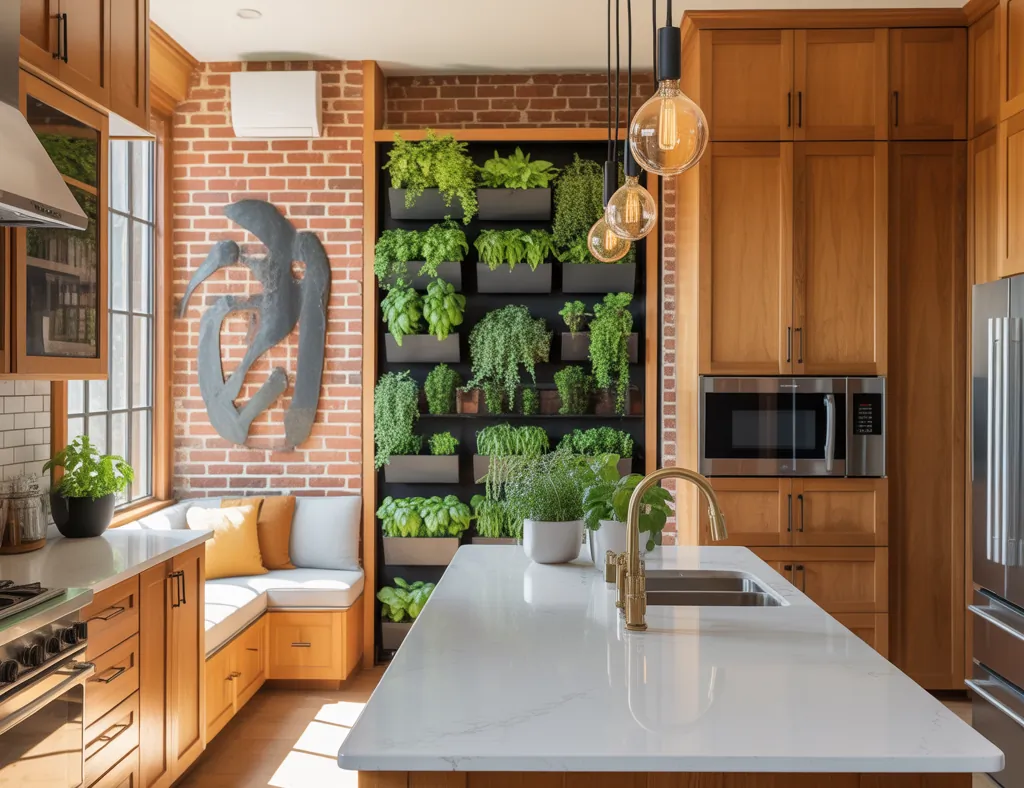
- Use an island or peninsula to define the kitchen area without closing it off.
- Arrange furniture to create a conversational seating area facing the focal point (TV, fireplace, or a view).
2. Use visual zoning
- Flooring continuity helps the space feel larger; offset it with a rug under the seating area to define the lounge zone.
- Ceiling treatments or a change in lighting level can subtly separate kitchen and living areas.
- Open shelving or a partial-height divider can act as a visual barrier while keeping sightlines open.
DIY upgrades that make the biggest difference
Not every upgrade needs a pro. Here are hands-on projects that most homeowners can tackle over a weekend or a few evenings.
Quick wins (weekend projects)
- Refresh cabinets with paint and new handles — a simple sprucing that modernizes the kitchen instantly.
- Install floating shelves for display and pantry overflow: easy to mount and visually light.
- Add plug-and-play under-cabinet lighting to improve task lighting and mood without rewiring.
Medium-skill projects (long weekend)
- Install a breakfast bar by bolting a butcher block to a stud wall or island frame.
- Lay new laminate or engineered wood flooring across the whole open area to unify the space.
- Replace pendant lights over the island — if working with mains wiring, switch off power and follow electrical safety or hire a certified electrician.
Bigger remodels (hire help if unsure)
- Remove a non-load-bearing wall to create a true open-plan space (get a structural survey to confirm).
- Reconfigure plumbing and gas lines to move appliances — usually requires a licensed tradesperson.
- Build a custom island with integrated storage, seating, and power sockets.
Materials, colors, and style inspiration
Pick a coherent palette and mix textures to keep an open plan kitchen living room warm and layered. Popular directions include:
- Scandinavian minimalism: pale woods, white cabinets, clean lines, and cozy textiles.
- Modern farmhouse: shaker cabinetry, matte black fittings, and a statement island.
- Industrial chic: exposed metal, concrete-look worktops, and warm leather seating to soften the look.
Tip: Use color anchoring — pick one accent color and repeat it in cushions, a kettle, and art to create continuity.
Practical considerations and real-world advice
Before you swing a sledgehammer or drill through a stud, consider these real-world tips:
- Know your structure: Always confirm whether a wall is load-bearing before removal. A structural engineer can save you from costly mistakes.
- Noise and smells: Open layouts mean sounds and cooking odors travel further. Add a quiet extractor hood and soft textiles to absorb noise.
- Heating and HVAC: Reevaluate radiator or vent placement to ensure even heating in the new open space.
- Storage is key: Plan pull-out pantries, deep drawers, and overhead cupboards to keep clutter hidden.
Step-by-step plan to create your open plan kitchen living room
- Assess: Measure the space and list what must stay (appliances, structural elements).
- Design: Sketch multiple layouts and choose one that balances work zones, seating, and traffic flow.
- Prioritize: Decide which DIY projects you can do and which require pros.
- Prepare: Order materials, protect existing floors, and set up a temporary kitchen if doing major work.
- Execute: Follow projects in order — demolition (if any), flooring, cabinets, lighting, then décor.
- Finish: Add textiles, plants, and personal touches to make the space feel lived-in and inviting.
Lighting and acoustic tips for comfort
Layer lighting: ambient (recessed or ceiling fixtures), task (under-cabinet strips), and accent (pendants or wall sconces). To reduce echo, use rugs, upholstered furniture, and fabric window treatments. Consider acoustic panels behind a TV or artwork that doubles as sound-absorbing décor.
Open plan kitchen living room: small-space adaptations
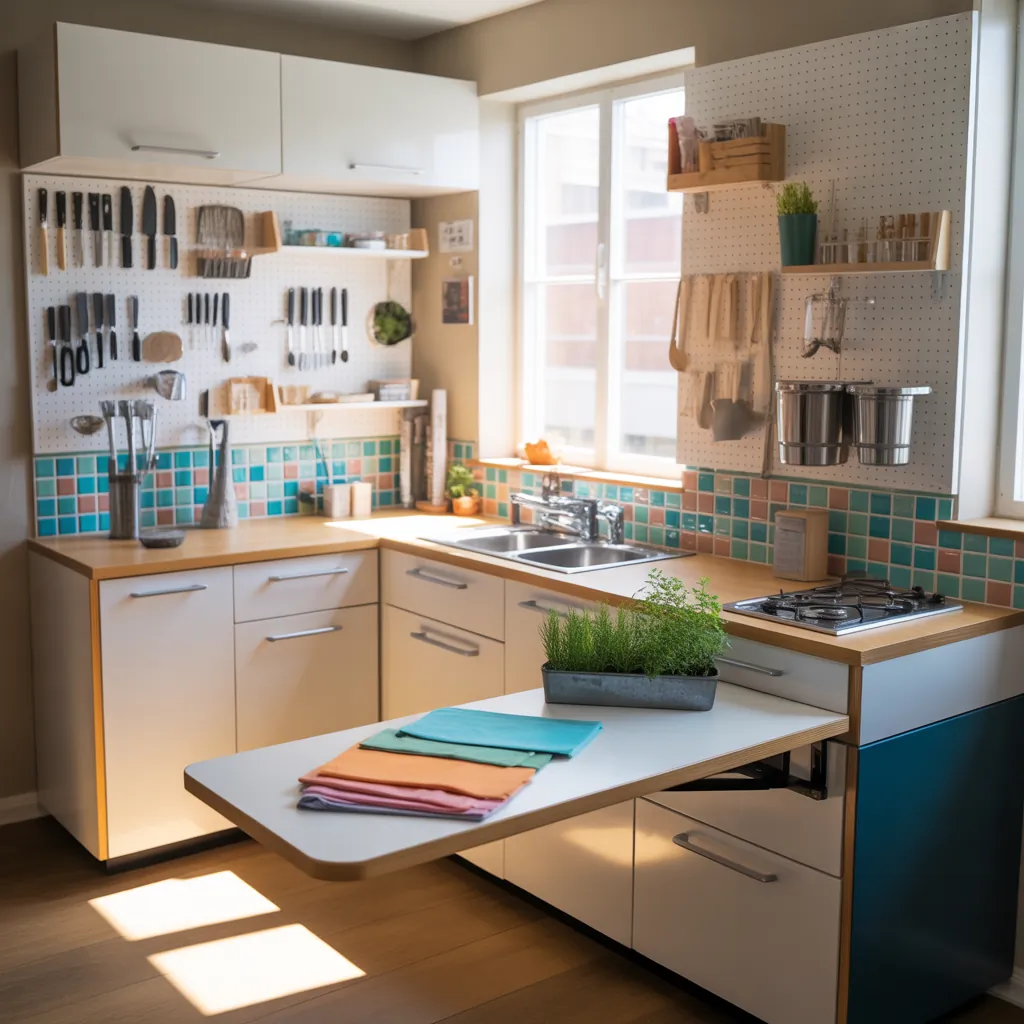
Even small apartments can benefit from open-plan thinking. Use compact islands on casters, fold-down dining tables, and tall storage to keep floors clear. Use multi-functional furniture (storage ottomans, bench seating with cubbies) to maximize utility.
Frequently Asked Questions
1. Can I make an open plan kitchen living room on a budget?
Yes. Start with low-cost, high-impact changes: paint cabinetry, replace cabinet handles, swap light fixtures, add an island workstation, and use rugs to zone areas. Save structural changes for when you have a larger budget.
2. How do I know if a wall is load-bearing before opening up my space?
Look for continuous beams, joists, or walls running perpendicular to floor joists across multiple levels. However, the safest route is to hire a structural engineer or qualified contractor to inspect and advise.
3. What are the best flooring options for an open-plan kitchen and living area?
Engineered wood and quality laminate offer a continuous look at reasonable cost and are more moisture-resistant than solid wood. Porcelain tiles work well near cook zones. Choose a durable finish that suits both the kitchen’s wear and the living area’s comfort.
Conclusion: Start your open plan kitchen living room transformation
Transforming your home into an open plan kitchen living room is an achievable project when you plan carefully, prioritize key improvements, and mix DIY with professional help where necessary. From easy weekend upgrades to full remodels, the result is a brighter, more sociable living space that fits modern life. Ready to get started? Explore DIY projects for weekend inspiration, check out clever ideas on kitchen upgrades, or browse home design ideas to refine your vision. Share your plans, and let’s make your home more inviting — one project at a time.
For more kitchen island dining table combo ideas, check out this collection.