Ever started a weekend kitchen upgrade only to be slowed down by a dull blade? Picture yourself prepping a new farmhouse-style countertop, assembling a floating shelf, or slicing tomatoes for a fresh salad — the right knife makes the difference between a smooth project and frustration. That’s where the mekonnen knife comes in: a dependable, versatile knife that feels like an extension of your hand whether you’re cooking or tackling light DIY tasks.
Why a quality blade matters for home cooks and DIYers
A good knife is more than a kitchen tool. It’s safety, efficiency, and pride of craft rolled into one. For home improvement enthusiasts, the right blade reduces mistakes, improves precision, and helps you finish projects faster — from trimming materials for a backsplash to crafting custom wooden handles or leather sheaths. For cooks, a sharp, well-balanced knife makes meal prep a joy instead of a chore.
Mekonnen knife: A versatile blade for the home
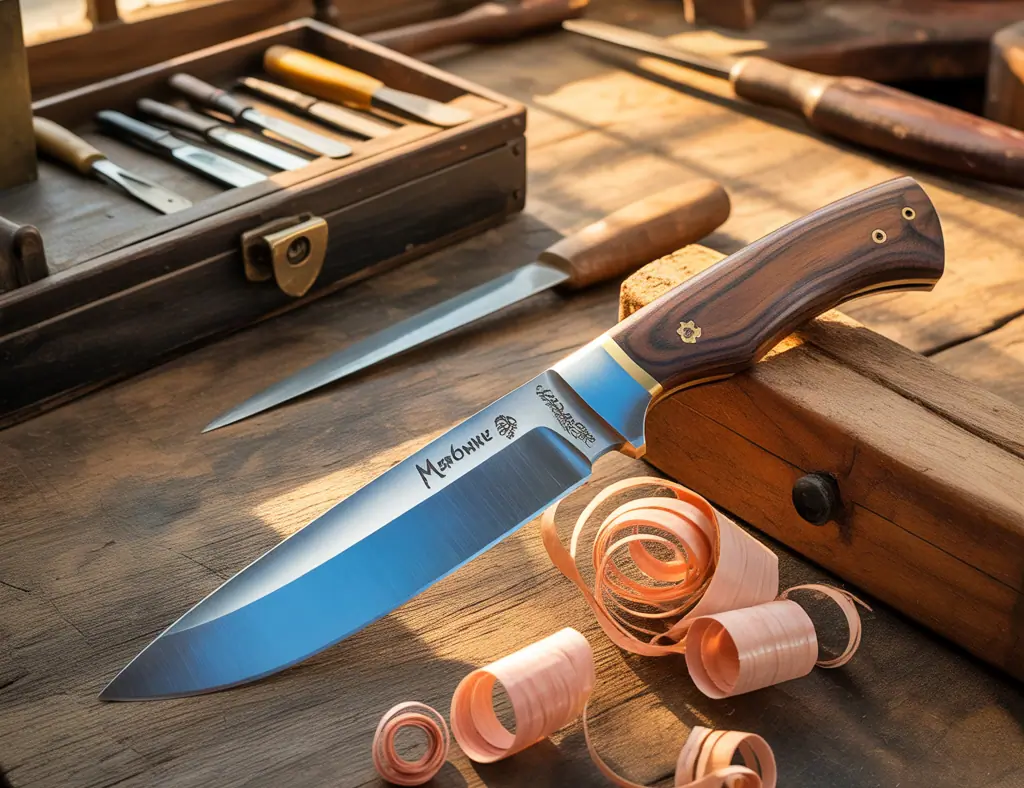
The mekonnen knife is praised by many home cooks and DIY hobbyists for its sharp edge, balanced weight, and multi-purpose design. Whether you’re looking for the best kitchen knife for home cooks or a reliable utility knife for small workshop jobs, this blade delivers consistent performance. It’s particularly favored for:
- Everyday chopping, slicing, and dicing in the kitchen
- Light workshop tasks like trimming, carving, and finish work
- Home craft projects where precision and edge retention matter
Key features to look for
- Quality steel and edge retention — important for fewer sharpenings
- Ergonomic handle — reduces wrist fatigue during long prep sessions
- Balanced weight — makes controlled cuts and detailed DIY tasks easier
Practical DIY tips: Care, sharpening, and safe use
Owning a mekonnen knife is just the start — maintaining it will keep it performing like new. Here are practical, real-world tips you can apply today.
Everyday maintenance
- Hand wash and dry immediately — avoid the dishwasher to protect the handle and blade.
- Use a proper cutting surface — wooden or plastic boards prevent premature dulling.
- Hone regularly — a quick pass with a honing rod before each use realigns the edge.
How to sharpen a mekonnen knife: step-by-step
- Gather tools: sharpening stone (1000/6000 grit combo), honing oil or water, towel, and a steady surface.
- Start with the coarse grit: Hold the blade at a 15–20° angle and glide it across the stone away from the edge. Repeat 6–10 times per side.
- Switch to fine grit: Polish the edge with gentler strokes to refine and remove burrs.
- Hone: Use a ceramic rod or leather strop to remove the final burr and align the edge.
- Test on paper or a tomato: The blade should slice cleanly without tearing.
DIY improvement ideas using your mekonnen knife
Here are concrete, achievable projects that use the mekonnen knife as a tool or centerpiece. These ideas double as kitchen upgrades and creative DIY projects you can finish in a weekend.
Build a magnetic knife strip
Materials: hardwood plank, neodymium magnets, wood glue, screws, finish of choice.
- Cut the plank to the desired length and sand smooth.
- Drill mortises for the magnets along the back of the plank at 2–3″ intervals.
- Glue magnets in place, reinforce with screws if needed, and finish the wood with oil or varnish.
- Mount to the backsplash studs and arrange your mekonnen knife for easy access and display.
Create a dedicated knife sharpening station
Set up a small drawer or countertop space with a stone, honing rod, strop, and microfiber cloth. Keep the station near your prep area so sharpening becomes a habit, not an occasional annoyance.
Make a custom knife block or in-drawer organizer
Design a recessed drawer insert with slots sized for your mekonnen knife to protect the blade and save counter space — a perfect blend of functionality and sleek design.
Design inspiration: integrate your knife into the room
Think of your mekonnen knife as part of your kitchen’s look. Display it on a warm walnut magnet strip for a modern-rustic vibe, or store it in a brushed steel block to complement stainless appliances. For minimalist kitchens, a recessed wall mount keeps counters clean while showcasing your favorite tool as art.
Looking for more project ideas? Check out our pages on DIY projects and home design ideas for inspiration tailored to every skill level, or explore simple kitchen upgrades that boost function and style quickly.
Safety and proper use
- Never use kitchen knives for heavy-duty structural cutting — use utility blades for construction materials.
- Cut away from your body and keep fingers tucked with a proper “claw” grip when slicing.
- Store knives safely out of reach of children and always transport them in sheaths or secured containers.
Frequently Asked Questions
1. How often should I sharpen my mekonnen knife?
Sharpening frequency depends on use. For everyday cooking, hone it before each use and do a full sharpen every 3–6 months. If you use it heavily in the kitchen or for crafts, consider sharpening more often.
2. Can I use a mekonnen knife for light woodworking or leatherwork?
Yes—this knife handles light trim, carving, and detail work well. Avoid using it on nails, metal, or very dense hardwoods to prevent chipping. For heavier shop work, use purpose-made carving tools or utility knives.
3. What’s the best way to store a mekonnen knife?
Store it on a magnetic strip, in a dedicated in-drawer block, or in a knife roll/sheath. Avoid loose-drawer storage where blades can rub against other utensils and dull faster.
Conclusion: Start small, see big results with your mekonnen knife
Whether you’re upgrading your kitchen or taking on small weekend projects, the mekonnen knife is a practical companion that improves precision, safety, and enjoyment. Keep it sharp, store it thoughtfully, and incorporate it into simple DIY upgrades like a magnetic strip or a sharpening station. Ready to upgrade your tools and tackle a project today? Browse our DIY projects and kitchen upgrades ideas, pick one small project, and let your mekonnen knife make the work feel professional.
Call to action: Try one of the simple projects above this weekend — build a magnetic knife strip or set up a sharpening station — and share your results on your next home improvement post. Your kitchen and your craftsmanship will thank you.
For those embarking on a farmhouse-style countertop project or assembling a floating shelf, adding a touch of decorative flair with a wrist corsage might be just the finishing touch. Check out these ideas for wrist corsages
For light woodworking or leatherwork, consider using a mekonnen knife — it’s versatile and suitable for various tasks.