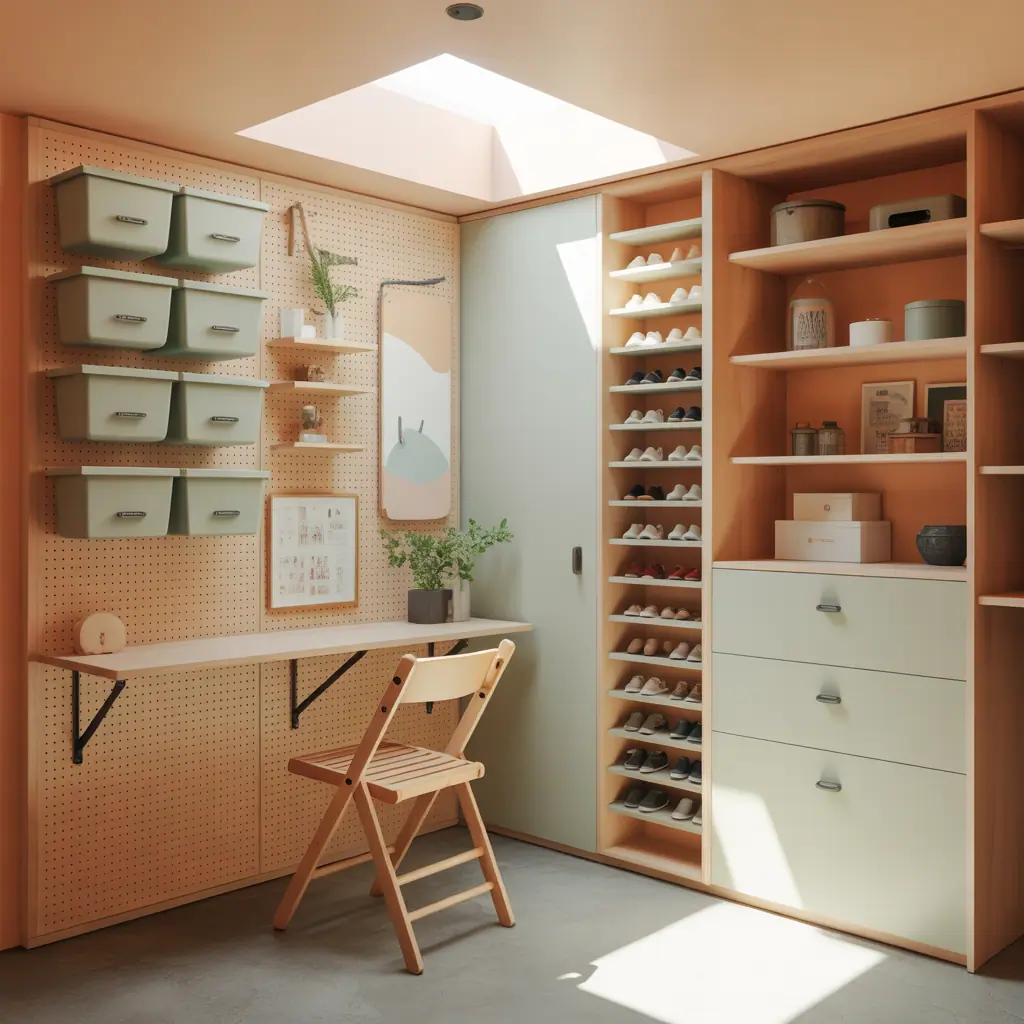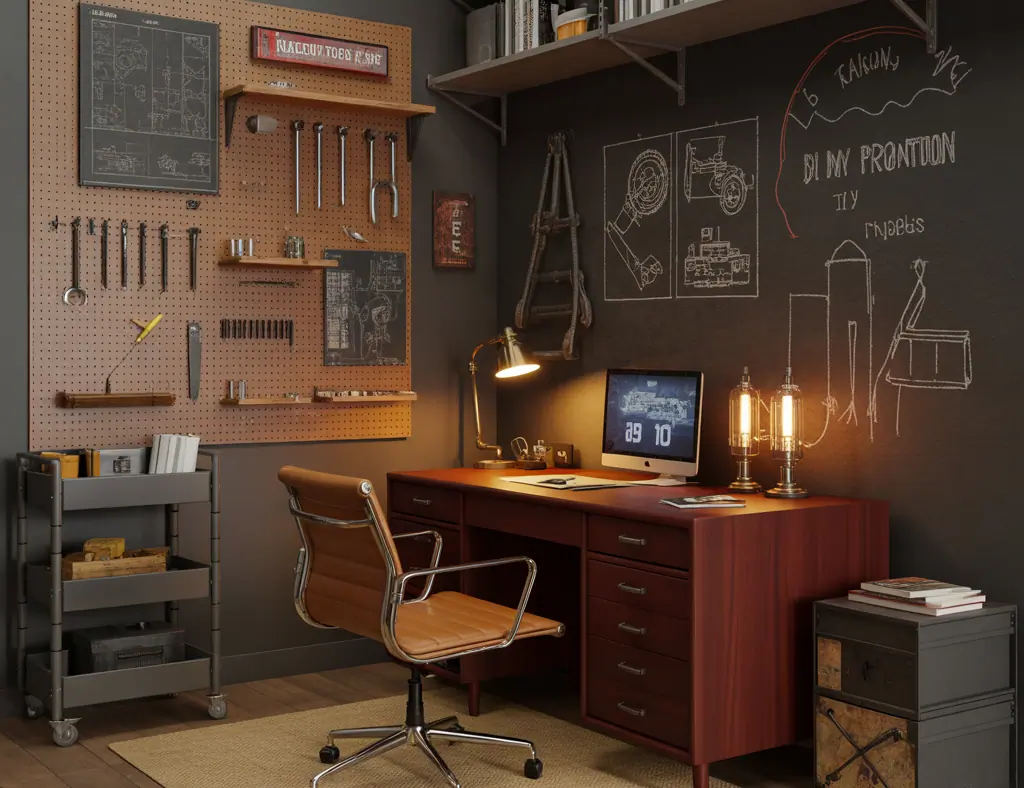
Ever tried working through a video call while the family watches TV two rooms over, or spent an afternoon hunting for a quiet corner and a decent desk in your home? If that sounds familiar, creating a man cave office could be the game-changer you need. Whether you’re converting a spare bedroom, basement, or garage, this guide delivers practical man cave office inspiration, DIY tips, and step-by-step improvement ideas so you can build a masculine, functional workspace that actually helps you get things done.
Why create a man cave office?
Balancing work, hobbies, and the comforts of home is tough when your workspace is an afterthought. A dedicated man cave office blends productivity with personality: it’s a home office designed with masculine touches, tailored storage, and creature comforts that make long work sessions enjoyable. You’ll get better focus, storage for tools and gear, and a place to relax when the 9–5 is done.
Man Cave Office Inspiration: themes and layout ideas
Pick a theme that matches how you want to feel when you enter the room. Below are high-impact ideas and small man cave office layout tips to jumpstart your design.
Industrial loft
- Exposed brick or faux brick wallpaper, metal shelving, and a reclaimed-wood desk
- Warm Edison bulbs on a dimmer to set a focused mood
Modern minimalist
- Neutral palette, hidden cable management, and a compact ergonomic chair
- Floating shelves and a clean desk surface to reduce visual clutter
Workshop-meets-office
- Sturdy workbench with an integrated desk, pegboard organization, and tool storage
- Durable flooring (vinyl plank or sealed concrete) for heavy use
Practical DIY tips and step-by-step improvement ideas
These projects are approachable for most DIYers and deliver immediate returns. Tackle them one at a time if you’re on a budget.
1. Soundproofing and privacy (2–4 hours)
- Identify noise sources and add weatherstripping to doors to reduce transmission.
- Install acoustic panels or heavy curtains on shared walls; for a budget option, use thick blankets or DIY panels filled with insulation.
- Add a solid-core door if your space has a hollow one—big impact for the cost.
2. Lighting and ambiance (1–3 hours)
- Layer lighting: a bright overhead light for focused work, a task lamp for the desk, and accent lights for atmosphere.
- Install a dimmer switch so you can change the mood between work and downtime.
- Smart bulbs or plug-in LED strips behind shelves create depth and a professional look.
3. Desk and storage build (weekend project)
- Measure your space and decide on a built-in or freestanding desk. Floating desks save floor space.
- Use 2×4 legs or hairpin legs with a solid plywood or hardwood top. Seal the wood with polyurethane for durability.
- Add custom shelving or modular cubes for gear, paperwork, and decorative items to keep the desktop clutter-free.
4. Flooring and comfort (half day to full weekend)
- Choose durable flooring: luxury vinyl plank, engineered hardwood, or sealed concrete are all good options depending on style.
- Place a stylish area rug under the desk to define the workspace and absorb noise.
5. Cable management and tech setup (2–4 hours)
- Mount a power strip under the desk and use cable sleeves or adhesive channels to route cords neatly.
- Label cables and invest in a docking station to minimize desktop clutter.
Personalization: finishing touches that make it yours
Accessories and small design choices turn a good office into a great man cave office. Consider these ideas:
- Hobby display — guitars, vintage signs, sports memorabilia, or framed blueprints
- Comfort items — a quality lounge chair, a mini-fridge, or a coffee station
- Greenery — low-maintenance plants like snake plants or ZZ plants for air quality and a touch of life
- Color accents — a single bold wall color or accent trim to create a masculine palette
Budget-friendly upgrades that make a big difference
Not all improvements require a contractor. Here are wallet-friendly moves that increase comfort and resale value:
- Refresh paint in a cohesive palette
- Swap outdated hardware on built-ins or doors
- Add shelving and cube organizers for instant storage
- Install a programmable thermostat to control comfort during long work sessions
Real-world advice from DIYers
From experience, plan lighting and outlets before finalizing furniture placement. Prioritize ergonomics — a good chair and correct monitor height avoid pain and boost productivity. If you plan to add a lot of electronics, check your circuit capacity before plugging in everything. Finally, build in flexibility: modular furniture and mobile storage let you adapt the space as needs change.
Frequently Asked Questions
How much space do I need for a man cave office?
You can create an effective man cave office in as little as 6×6 feet using a compact desk and vertical storage, but 10×10 feet offers more comfort and seating. Prioritize layout: keep a clear workflow from door to desk and storage.
What are the best lighting choices for a home office/man cave?
Layered lighting works best: bright, neutral overhead light for tasks; an adjustable desk lamp for focused work; and accent/ambient lights (LED strips, wall sconces) for mood. Use warm-to-neutral color temperatures (2700K–4000K) depending on the vibe you want.
Can I convert a garage or basement into a man cave office myself?
Yes—many DIYers convert basements and garages successfully. Key considerations are adequate insulation, moisture control, ventilation, and appropriate lighting/electrical upgrades. Tackle soundproofing and flooring early in the process.
Conclusion: Start building your man cave office today
Creating a tailored workspace isn’t about having the biggest room; it’s about smart design, practical DIY improvements, and personality. Use these man cave office inspiration ideas and step-by-step tips to plan your project, whether you’re aiming for a minimalist study or a workshop-style retreat. Ready to get started? Check our DIY projects for detailed plans, browse home design ideas for styling tips, and if you’re reworking more than the office, see our kitchen upgrades for complementary home improvements. Share your plans or photos and join the community of DIYers turning spare rooms into productive, comfortable man cave offices.