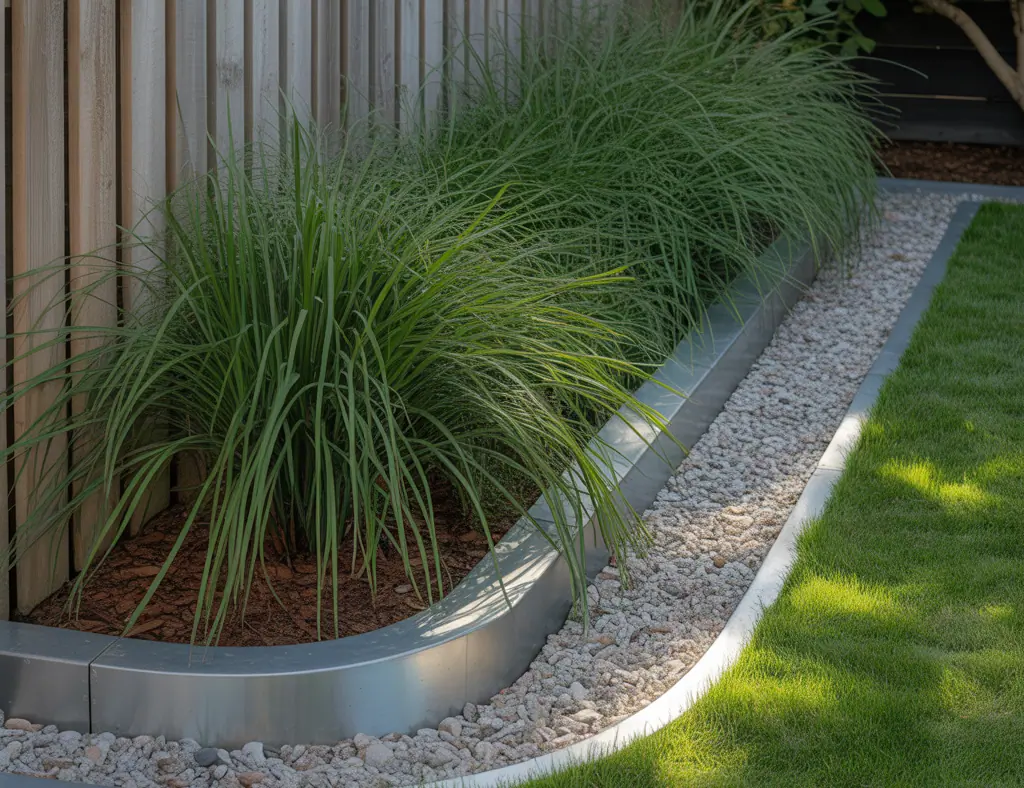
Have you ever stood in your front yard wondering how to tidy up that sidewalk edge or soften a foundation without spending a small fortune? You’re not alone. Many DIYers want a low-maintenance, evergreen solution that looks intentional year-round. Enter liriope border concepts — a go-to strategy for homeowners who want tidy edges, shade-tolerant groundcover, and easy care. In this post I’ll walk you through practical design ideas, step-by-step installation tips, and creative plant pairings so you can transform boring borders into polished landscapes.
Why Liriope Is a Great Choice for Borders
Liriope (also called lilyturf) is a versatile, clump-forming perennial used widely for edging, mass plantings, and foundation beds. It thrives in part shade to full sun, tolerates poor soil, and stays attractive through winter in many climates. If you want evergreen edging plants, low-maintenance border plants, or a shade-tolerant groundcover, liriope is a smart pick.
- Benefits: evergreen foliage, flowers in summer, low water needs once established
- Common varieties: Liriope muscari (standard), Liriope spicata (spreading), variegated cultivars for contrast
- Best uses: walkway edging, foundation planting, slope stabilization, massed borders
Liriope Border Concepts
Whether your style is cottage, modern, or classic, these liriope border concepts will give you a clear path to a polished look.
Classic Edging
Plant a single row of liriope along paths and driveways for a clean edge. Use Liriope muscari spaced about 8–12 inches apart for a neat, clumping look.
Double-Row Banding
Create a wider, more substantial border by planting two staggered rows. This approach works well in high-traffic areas where you want a denser edge or to hide unsightly foundation elements.
Layered Foundation Planting
Combine low liriope in the front with medium shrubs behind and taller trees further back. The low, grassy texture of liriope provides a forgiving foreground that ties the composition together.
Mosaic and Patterned Beds
Mix variegated liriope, deep-green liriope, and contrasting low groundcovers (like low sedums or thyme) to create stripes, chevrons, or checkerboard patterns along walkways.
DIY Step-by-Step: Installing a Liriope Border
Follow these steps for a successful, long-lasting border installation.
- Plan and measure: Sketch the border, measure length, and calculate plant numbers. For single-row edging, allow 8–12 inches spacing for L. muscari; for spreading L. spicata allow 6–8 inches.
- Prepare the soil: Remove weeds, loosen top 6–8 inches of soil, and amend with compost to improve drainage and nutrient content.
- Lay out plants: Place centermarked pots along the edge to preview spacing and alignment.
- Dig planting holes: Make holes slightly larger than root balls and set plants at the same depth as in their containers.
- Backfill and water: Firm soil gently around roots, water deeply to settle, and apply a 1–2 inch layer of organic mulch, keeping it away from crowns.
- Edge and finish: Install a low border (stone, metal, or plastic) if desired to define the space and keep mulch tidy.
Tools and Materials You’ll Need
- Spade or shovel, hand trowel
- Garden fork or soil knife
- Compost or well-rotted manure
- Mulch and optional edging material
- String line or garden hose for layout
Design Inspiration and Plant Pairings
Liriope pairs beautifully with a range of plants. Here are design pairings based on style and site conditions.
Shade Garden Pairings
- Hostas — for big-leaf contrast
- Ferns — add texture and soft, woodland vibes
- Heuchera (coral bells) — for colorful foliage contrast
Sun and Modern Landscapes
- Ornamental grasses — for vertical contrast and movement
- Boxwood or dwarf hollies — to add structure behind liriope
- Salvia or lavender — for seasonal flower color
For a contemporary look, use variegated liriope in straight, geometric bands and frame with clean-edged pavers or gravel paths.
Maintenance and Troubleshooting
Liriope is easy to maintain but benefits from seasonal care.
- Pruning: Trim back old foliage in late winter or early spring to encourage fresh growth. You can shear for a crisp edge or leave natural for a softer look.
- Dividing: Every 3–5 years divide clumps in spring to refresh appearance and control spreading (especially L. spicata).
- Pests and disease: Liriope has few problems—watch for slugs or fungus in poorly drained soils. Improve drainage and remove affected foliage.
- Watering: Water regularly the first season; once established it’s drought-tolerant but will look best with occasional supplemental water in dry spells.
Practical Tips from a DIYer
- Buy in multiples: Massing 10–20 plants has a big visual impact and usually costs less per plant.
- Mix varieties: Alternate variegated and plain cultivars every few feet for visual rhythm without looking chaotic.
- Edge early: Install physical edging before planting if you like a tidy, modern finish — it reduces maintenance later.
- Start small: If you’re new to landscaping, try a 10-foot border as a starter project to build skills and confidence.
Frequently Asked Questions
How far apart should I plant liriope for a neat border?
For Liriope muscari, space plants 8–12 inches apart for a dense, clumping edge. If using the spreading Liriope spicata, you can space them 6–8 inches apart, keeping in mind it will fill in faster.
Can liriope grow in full shade?
Yes—liriope tolerates part to full shade very well. It’s a top choice for shade-tolerant groundcover and foundation plantings, though variegated types may show less vibrant coloration in deep shade.
Will liriope become invasive in my garden?
Liriope spicata is more aggressive and can spread via rhizomes; if you want a contained border, choose Liriope muscari or use root barriers to keep it confined.
Conclusion
Liriope border concepts give you a flexible, low-maintenance way to upgrade walkways, foundations, and beds with evergreen structure and seasonal blooms. Whether you prefer classic edging, layered foundation plantings, or patterned beds, liriope provides reliable texture and form. Ready to try it? Start with a small test border and scale up—then share your progress. For more step-by-step inspiration, check out our DIY projects and browse ideas on our home design ideas page to pair liriope with the rest of your landscape.