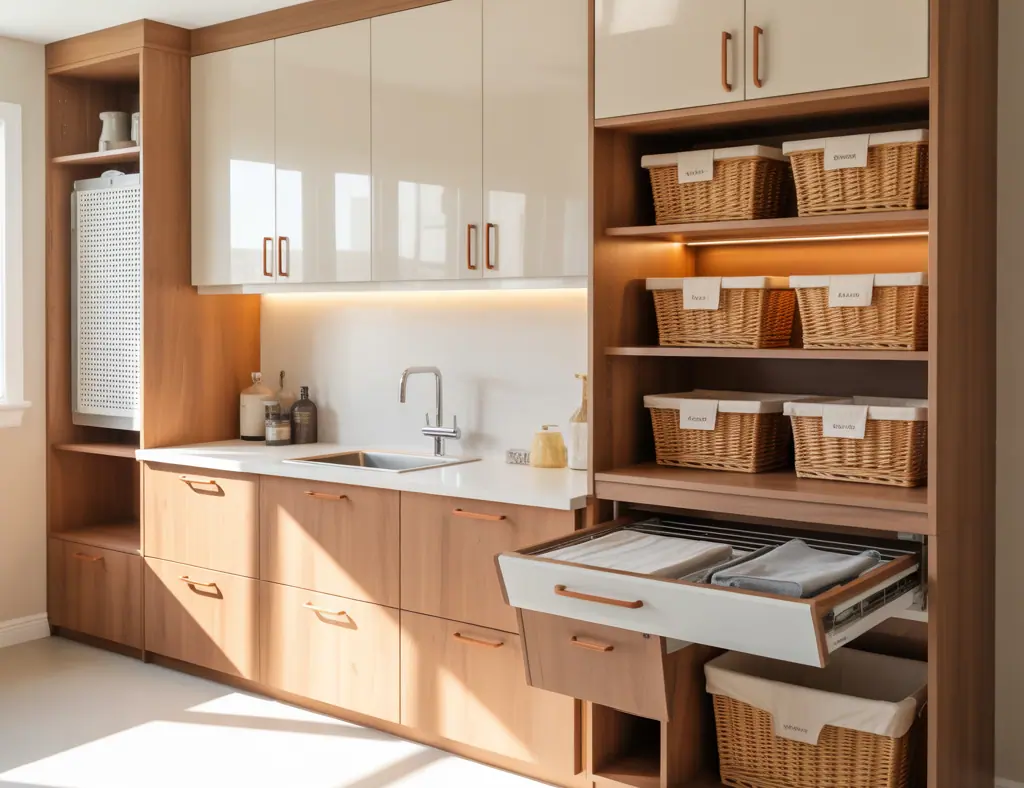
Ever stared at your laundry pile wondering where to stash detergent, towels, and that mysterious single sock? If your laundry space feels like a cluttered afterthought, exploring laundry room cabinet options can transform it into a streamlined, efficient powerhouse. Whether you’re tackling a weekend DIY refresh or planning a full remodel, the right cabinets make laundry day less of a chore and more of a pleasure.
Why Choosing the Right Cabinets Matters
Cabinets are more than storage — they define the workflow of the room. The right layout improves ergonomics, protects supplies from moisture, and hides unsightly plumbing or utility equipment. From built-in cabinetry to wall-mounted shelves and ready-to-assemble units, there are options tailored to every space, style, and budget.
Top Laundry Room Cabinet Options (What to Consider)
When comparing laundry room cabinet options, evaluate size, material, mounting type, and finish. Below are the most popular choices with pros, cons, and practical uses.
1. Pre-made (RTA) Cabinet Systems
- Pros: Affordable, fast to install, many finishes and sizes.
- Cons: Less customizable; quality varies.
- Best for: Budget remodels and DIYers looking for quick upgrades.
2. Custom Built-In Cabinets
- Pros: Perfect fit, tailored storage solutions, higher resale value.
- Cons: More expensive and typically requires a pro.
- Best for: Irregular spaces, integrated laundry-sink combos, or high-end finishes.
3. Wall-Mounted Cabinets
- Pros: Frees up floor space, ideal for small laundry closets.
- Cons: Requires strong anchoring to studs for heavy loads.
- Best for: Apartments, narrow laundry rooms, and stacked washer/dryer setups.
4. Open Shelving and Cubby Systems
- Pros: Easy access, visually lighter, great for baskets and decor.
- Cons: Shows clutter unless curated; not ideal for moisture-sensitive items.
- Best for: Styling a laundry room with decorative bins and frequently used items.
5. Floating Cabinets and Slim Storage Towers
- Pros: Contemporary look, keeps floors clear for cleaning, perfect for narrow gaps.
- Cons: Limited capacity compared to full-size cabinets.
- Best for: Modern designs, small utility rooms, and adding extra storage next to appliances.
Materials and Finishes That Withstand Moisture
Moisture and heat are constant in laundry rooms. Choose moisture-resistant materials like marine-grade plywood, MDF with water-resistant coating, or PVC laminate. Finishes matter: semi-gloss paint repels moisture and cleans easily; melamine and laminate surfaces resist staining. For a high-end look, consider shaker-style doors in a painted finish or thermofoil for easy maintenance.
DIY Guide: How to Install Wall Cabinets in 6 Steps
Installing wall-mounted laundry cabinets is a rewarding weekend project. Here’s a practical step-by-step guide for intermediate DIYers.
- Measure and Plan: Measure washer/dryer heights, countertop depth, and space for vents or plumbing. Sketch cabinet locations and decide on clearance (typically 18–21 inches above front-load machines).
- Choose Cabinets: Buy pre-made units that fit your dimensions or build simple box cabinets from plywood with edge banding for a custom look.
- Locate Studs and Mark Lines: Use a stud finder and draw a level mounting line where the bottom of the cabinet will sit. Mark stud locations for secure anchoring.
- Assemble and Pre-drill: Assemble cabinet boxes and pre-drill holes for lag bolts. Reinforce cabinets if you plan to store heavy detergents or appliances.
- Mount Securely: With a helper, lift the cabinet into place and fasten with lag screws into studs. For long runs, use a ledger board temporarily to support cabinets while fastening.
- Finish and Accessorize: Add hardware, soft-close hinges, shelf organizers, and LED strip lighting under the cabinets for task illumination.
Design Inspiration: Styles That Work in Laundry Rooms
From farmhouse charm to minimalist modern, the right cabinet style completes your room:
- Farmhouse: Open shelves, beadboard cabinet doors, and matte finishes.
- Modern: Flat-front panels, handleless drawers, and glossy laminate.
- Transitional: Shaker cabinets in neutral tones with brass pulls.
- Industrial: Metal storage lockers, wire baskets, and concrete countertops.
Smart Storage Add-Ons and Accessories
Little features increase functionality:
- Pull-out hampers and tilt-out bins for sorting.
- Retractable drying racks or ceiling-mounted clothes airers.
- Built-in ironing board that folds into a cabinet door.
- Under-cabinet task lighting and power outlets for charging or small appliances.
Budgeting and Real-World Advice
Expect wide price ranges: basic RTA cabinets can start under $200 per linear foot installed, while custom built-ins run much higher. Tip: mix and match — use budget-friendly stock cabinets where hidden and splurge on a custom countertop or a statement cabinet near the sink. Always plan for ventilation and ensure appliances have adequate clearance for hoses and vents.
Safety and Longevity Tips
Prevent damage and extend cabinet life:
- Keep detergents in sealed containers to avoid spills.
- Use corrosion-resistant hardware in humid environments.
- Waterproof the wall behind the washer with a bead of caulk or backsplash tile.
- Check hinges and anchors annually to ensure they remain secure.
Best Practices for Small Spaces
In compact laundry rooms, maximize vertical storage and choose multi-functional pieces. Install a countertop above front-loading machines for folding, add narrow pull-out towers for cleaning supplies, and keep lighting bright to make the space feel larger.
Laundry Room Cabinet Options: Choosing the Right One for You
Ultimately, the best laundry room cabinet options balance function, materials, and aesthetics. If you love projects, try installing RTA cabinets and customizing them with paint and new hardware. If you prefer turnkey solutions, a contractor-built custom unit may be worth the investment. Either way, small changes like adding under-cabinet lighting or a pull-out hamper can dramatically improve workflow and enjoyment.
Frequently Asked Questions
Q: What is the best material for laundry room cabinets?
A: Choose moisture-resistant materials such as marine-grade plywood, MDF with a water-resistant finish, or laminate/melamine-faced particleboard. Avoid untreated particleboard in humid areas to prevent swelling.
Q: How high should cabinets be mounted above the washer and dryer?
A: A common recommendation is 18–21 inches above front-load machines to allow room for controls and easy access. For top-loaders, ensure the cabinet is high enough to open the lid without obstruction, typically 42–48 inches from the floor.
Q: Can I install cabinets above a stacked washer and dryer?
A: Yes — wall-mounted cabinets or shallow shelving work well above stacked units. Make sure to secure cabinets to studs and leave enough clearance for appliance doors, vents, and future maintenance access.
Conclusion — Ready to Upgrade Your Laundry Space?
Choosing the right laundry room cabinet options can turn a chaotic utility area into an organized, stylish room you enjoy using. Start by measuring your space, pick moisture-resistant materials, and decide whether a DIY RTA install or custom cabinetry fits your goals and budget. Want project ideas or step-by-step plans? Check out our DIY projects page or explore related inspiration under kitchen upgrades and home design ideas for paint, hardware, and countertop tips. Ready to get started? Grab a tape measure, sketch a plan, and pick one cabinet upgrade to tackle this weekend — you’ll be amazed at the difference.