Have you ever spent a Saturday pulling weeds and trimming edges only to look out the next morning and feel like your beds still look tired and unfinished? If so, you’re not alone — many homeowners struggle to find a quick, dramatic way to improve curb appeal without breaking the bank. Enter landscape mulch ideas: simple, affordable, and transformational options that instantly tidy up planting areas, suppress weeds, and protect soil moisture. Ready to give your yard a makeover this weekend?
Why Mulch Matters
Mulch isn’t just decorative. Whether you’re working with mulch types for landscaping like shredded bark or decorative gravel, a good layer helps regulate soil temperature, retain moisture, reduce erosion, and cut down on maintenance by limiting weeds. The right mulch also complements plants and hardscape, framing beds and enhancing curb appeal without complex installations.
Top Landscape Mulch Ideas for Every Yard
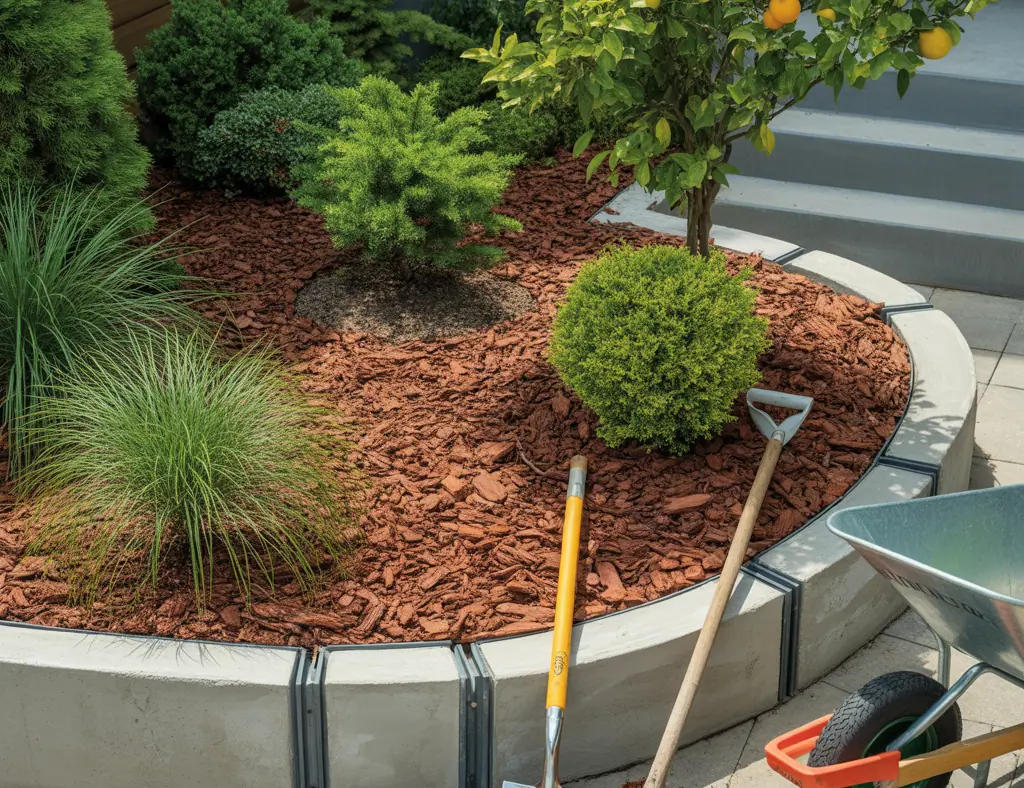
1. Shredded Hardwood and Bark Mulch
Best for: flower beds, foundation plantings, shrubs.
- Pros: Long-lasting, natural look, breaks down slowly to enrich soil.
- Cons: Can compact over time; needs replenishing every 1–2 years.
- Design tip: Use dark brown or espresso-colored bark to contrast bright flowers.
2. Wood Chips (From Local Tree Services)
Best for: large beds, informal landscapes, pathways.
- Pros: Affordable if sourced locally, great for suppressing weeds, excellent for pathways.
- Cons: Fresh chips can tie up nitrogen temporarily—mix in compost if planting immediately.
3. Pine Straw
Best for: acidic-loving plants like azaleas, sloped beds prone to erosion.
- Pros: Lightweight, allows water in while preventing erosion, easy to refresh.
- Cons: Moves in heavy rain and wind; not ideal for formal beds.
4. Decorative Rock and Gravel
Best for: xeriscaping, modern gardens, dry climates.
- Pros: Extremely low maintenance, long-lasting, good for drainage.
- Cons: Can heat the soil in hot climates and doesn’t improve soil health.
- Design tip: Mix sizes—larger border rock with smaller pea gravel interior—for a polished look.
5. Rubber Mulch
Best for: playgrounds, high-traffic beds, areas needing durable coverage.
- Pros: Long-lasting, excellent weed suppression, doesn’t decompose.
- Cons: Not organic, can be more expensive, may retain heat.
6. Living Mulch (Groundcovers)
Best for: naturalized beds, slopes, pollinator-friendly gardens.
- Pros: Adds biodiversity, reduces erosion, provides year-round coverage.
- Cons: Can spread aggressively; choose non-invasive varieties for small gardens.
7. Compost as Mulch
Best for: vegetable gardens, planting beds needing soil improvement.
- Pros: Adds nutrients and organic matter while preventing weeds.
- Cons: Needs topping up and can attract pests if applied too thickly.
Step-by-Step: How to Mulch a Garden Bed Like a Pro
- Clear the area: Remove weeds, debris, and old mulch clumps.
- Edge the bed: Use a spade or edging tool to create a clean border; this keeps mulch from spilling onto lawns.
- Lay landscape fabric (optional): For heavy weed pressure, use a breathable fabric—avoid plastic that traps water.
- Measure depth: Plan for 2–4 inches of organic mulch or the recommended depth for inorganic options.
- Apply mulch evenly: Spread with a rake; keep mulch 1–2 inches away from trunks and plant crowns to prevent rot.
- Water it in: Lightly water to settle mulch and help it integrate with the soil.
- Maintain annually: Fluff and top up as needed to maintain depth and appearance.
Design Tips and Creative Uses
Mulch can be a powerful design tool:
- Contrast colors: Use dark mulch next to light-colored pavers for a crisp edge.
- Create patterns: Alternate rows of gravel and bark for a contemporary striped bed.
- Combine layers: Place a thin recycled rubber underlayer for durability with a decorative organic top layer for appearance.
- Define zones: Use different mulch materials to define play areas, flower beds, and pathways—this helps with wayfinding and maintenance plans.
Maintenance Tips and When to Replace Mulch
Monitor for compaction, pests, and color fading. Organic mulches usually need replenishing every 1–2 years; pine straw and wood chips might be refreshed annually. Replace or refresh mulch when it drops below the recommended 2-inch depth or becomes compacted and crusty. For rock and rubber mulches, occasional raking and debris removal is usually sufficient.
Practical DIY Tips for Success
- Buy mulch in bulk for bigger jobs to save money; rent a small trailer if you need to transport large volumes.
- Use a wheelbarrow and a mulch fork for faster spreading; a landscape rake gives a neat finish.
- Test a small area first when using colored or dyed mulches to ensure the tone complements your home exterior.
- Think seasonally: fresh mulch in spring sets up beds for summer growth; a late fall refresh offers winter protection.
Frequently Asked Questions
How often should I replace my mulch?
Organic mulch typically needs topping up every 1–2 years. Pine straw and wood chips may require annual refreshes. Inorganic mulches like rock or rubber can last many years with minimal top-up.
Can I put new mulch over old mulch?
Yes—if the old mulch is not overly compacted or contaminated. Rake the old layer to loosen it first, and then add fresh mulch to reach the recommended depth. If the old mulch is moldy or full of weeds, remove it before applying new material.
Is colored mulch safe for plants and pets?
Most commercially dyed mulches are safe once they dry, but avoid fresh, wet dye contact with edible gardens. For pet areas or vegetable beds, choose natural or undyed options to be cautious.
Conclusion
From classic shredded bark to modern gravel and living groundcovers, these landscape mulch ideas can transform the look and health of your garden while cutting down on maintenance. Pick a style that fits your climate, plant palette, and maintenance plan, then tackle the project step-by-step this weekend. Ready to try a new mulch look? Check out some practical DIY projects for tools and techniques, and browse our home design ideas for creative color and material pairings. Get your hands dirty and give your landscape the boost it deserves!