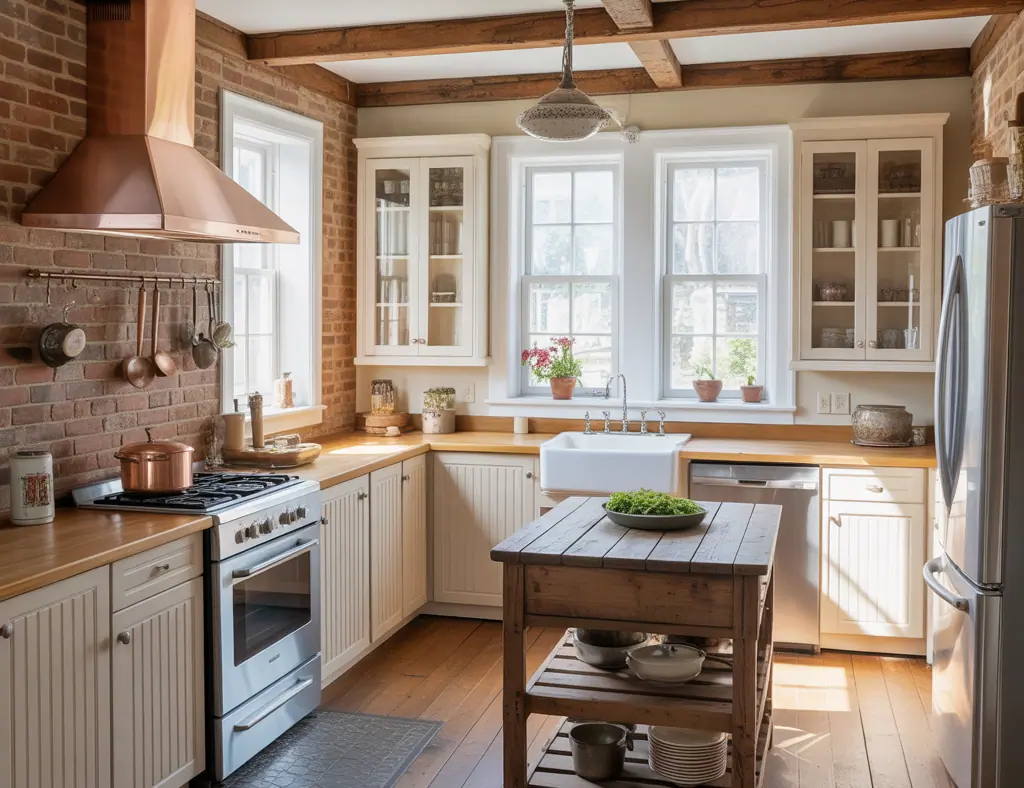
Staring at a faded farmhouse sink, cracked tile, or a cramped galley kitchen in a century-old house can feel overwhelming. Maybe you’ve dreamed of tearing everything out, or maybe you want to keep the vintage charm while making the space livable again. If that sounds familiar, you’re in the right place—this guide is full of practical, budget-friendly kitchen ideas for old homes that you can actually do yourself.
Why choose a thoughtful renovation for older kitchens?
Older homes come with built-in character—crown moldings, original hardwood floors, built-in cupboards, and higher ceilings. But decades of piecemeal updates can leave systems outdated and layouts inefficient. A thoughtful kitchen remodel balances preserving historic elements with modern safety, storage, and workflow improvements. It’s not about erasing the past; it’s about making it functional for today.
Top kitchen ideas for old homes: preserve character and add function
1. Start with a respectful assessment
Walk through the space and take notes. Identify original features worth saving (trim, mantels, flooring), structural constraints (load-bearing walls, chimney), and systems that need upgrading (electrical, plumbing, HVAC). Prioritize safety—old wiring and plumbing often need attention before cosmetic work.
2. Keep and restore original features
- Refinish original hardwood instead of covering with laminate—sanding and a fresh finish can bring it back to life.
- Patch and repaint original woodwork using period-appropriate colors or classic neutrals.
- Restore a cast-iron sink or repurpose vintage fixtures; they add authenticity and charm.
3. Cabinetry: refacing vs. replacing
Cabinet refacing is a budget-friendly way to maintain existing footprint while updating appearance. Replace doors and drawer fronts, add crown molding, and swap hardware for a period-appropriate look. If cabinets are beyond repair, consider semi-custom units that mimic traditional profiles to retain style without sacrificing function.
4. Work with the layout, don’t fight it
Many old homes have compartmentalized kitchens. Full wall removals can be costly and require structural work. Instead, consider smaller moves: remove a partial wall to create a passthrough, open up a doorway, or rearrange appliances and sink to improve the work triangle. These small layout changes often deliver big improvements without major permits.
Practical DIY tips and step-by-step improvement ideas
Quick wins (weekend projects)
- Deep-clean and reseal grout or install peel-and-stick backsplash tiles for a fresh look.
- Replace cabinet hardware with antique brass or porcelain knobs for instant charm.
- Install LED under-cabinet lighting for better task light and a modern finish.
Medium projects (a few weekends)
- Refinish or paint cabinets: remove doors, sand, prime with an oil- or shellac-based primer, and finish with a durable enamel paint.
- Lay new flooring over subfloor (engineered hardwood or luxury vinyl planks that mimic wood or tile).
- Build open shelving from reclaimed wood to display vintage dishes and keep the space airy.
Big projects (consider a pro or phased DIY)
- Electrical and plumbing upgrades: bring wiring up to code and install dedicated circuits for appliances.
- Moving sinks or ranges may require new venting or gas lines—get a professional where required.
- Removing load-bearing walls requires an engineer and contractor, but can open the space dramatically.
Design inspiration: blend old and new
Popular vintage kitchen ideas include shaker-style cabinets paired with modern quartz countertops, encaustic or patterned cement tiles at the sink or entry, and apron-front sinks with contemporary faucets. Keep finishes consistent—mixing too many metals or styles dilutes the historic feel.
Color and texture tips
- Use muted, period-appropriate palettes: soft greens, warm grays, cream, and navy accents work well.
- Introduce texture with beadboard backsplashes, subway tiles with vintage grout lines, or reclaimed wood islands.
- Balance antiques with modern convenience—conceal dishwashers with cabinet panels and hide microwaves in pull-out drawers.
Budget-friendly strategies for historic kitchens
Stretch your dollars by prioritizing structural and system repairs first. Reface instead of replace, shop reclaimed for countertops and trim, and tackle cosmetic updates yourself. Salvage stores and architectural salvage sales are goldmines for period-appropriate hardware, lighting, and doors at a fraction of the cost.
Safety, permits, and when to call a pro
Always check local code for electrical, plumbing, and structural changes. Simple cosmetic updates rarely require permits, but moving utilities, changing load-bearing elements, or installing a new gas line will. If you uncover asbestos or lead paint in an older home, hire licensed abatement professionals. When in doubt, consult a contractor for an inspection before you start demo.
Step-by-step mini DIY makeover plan
- Inspect and document current conditions (take photos).
- Address safety issues: electrical panel, plumbing leaks, mold.
- Create a priority list: restore vs. replace items.
- Tackle structural or system upgrades first.
- Refinish floors and cabinetry next.
- Install countertops, backsplash, and lighting.
- Add finishing touches: hardware, paint, textiles, and decor.
For hands-on project ideas and guides, check out our DIY projects page and explore specific tips under kitchen upgrades and home design ideas.
Frequently Asked Questions
1. How can I preserve original features while modernizing my kitchen?
Identify signature elements (trim, built-ins, flooring) and repair them first. Use complementary modern materials—like quartz countertops with shaker cabinets—to update function while maintaining the original aesthetic. Small details such as period hardware and classic tile patterns help maintain character.
2. Can I DIY a kitchen remodel in an old house?
Yes—many cosmetic and mid-level projects are DIY-friendly (painting, refacing cabinets, installing shelving). However, electrical, plumbing, and structural work often requires permits and licensed trades. Start with weekend projects and scale up as you gain confidence or hire professionals for complex tasks.
3. Do I need permits to renovate an old home’s kitchen?
Permits are typically required for electrical, plumbing, gas, and structural changes. Cosmetic updates like painting, replacing fixtures, or cabinet refacing usually don’t need permits. Always check with your local permitting office before beginning work to avoid costly issues later.
Conclusion — Make your old kitchen sing
Updating an older kitchen is a rewarding balancing act: preserve the soul of the home while adding the function and safety you need today. With smart planning, selective restoration, and a few well-chosen DIY projects, you can transform a tired space into a beautiful, usable kitchen. Use these kitchen ideas for old homes to guide your next project—and start with one small weekend win this month. Ready to get started? Browse our DIY projects for step-by-step guides and tackle your first upgrade today.