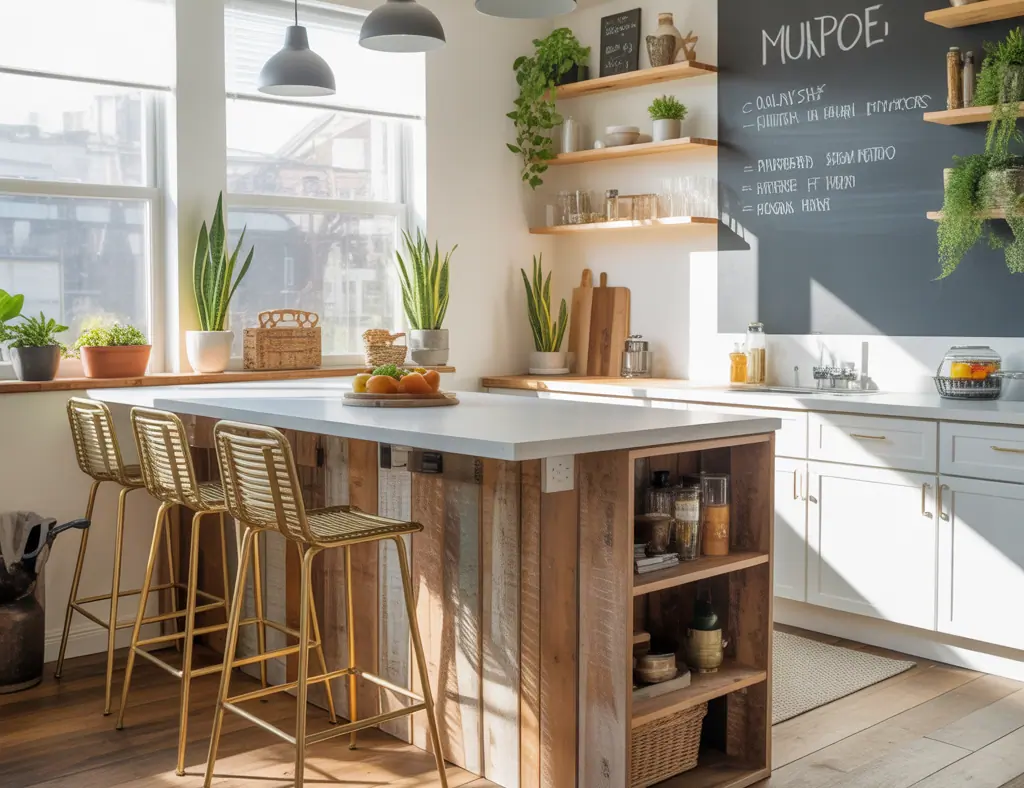
Have you ever stared at your kitchen island and wished it could do more—serve morning coffee, host a quick homework session, and give your space a fresh, modern vibe? If so, you’re not alone. Transforming unused countertop space into a functional breakfast bar is one of the fastest, highest-impact home improvement moves you can make. Whether you’re working with a tiny galley kitchen or a roomy open-plan layout, these kitchen breakfast bar ideas will inspire practical, budget-friendly, and DIY-ready upgrades.
Why Add a Breakfast Bar? The everyday benefits
A breakfast bar adds seating, defines space, and creates a casual dining area without a full table. It increases counter space for meal prep, invites guests to linger while you cook, and can even add storage. For renters and homeowners alike, it’s an approachable kitchen upgrade that can be completed in a weekend or phased in over time.
Top kitchen breakfast bar ideas to suit every space
1. Floating shelf breakfast bar (great for small kitchens)
Install a thick wood shelf supported by a continuous cleat or heavy-duty steel brackets. This is perfect for narrow walls or replacing a small table.
- Materials: 1.5″–2″ butcher block or hardwood, heavy-duty brackets or 2×4 cleat, screws, wood finish.
- Dimensions: Typical height = 36″ for counter-height seating; overhang = 12″–15″.
- DIY tip: Use a 3/4″ plywood substrate under the butcher block for added stability and screw through cleat from below to hide fasteners.
2. Add an overhang to an island (easy weekend upgrade)
If your island is primarily cabinet-front, you can create a breakfast bar by extending the countertop with blocking or decorative corbels underneath.
- Measure: Add 12″–15″ of overhang for comfortable knee space.
- Support: Use metal L-brackets, corbels, or a ledger board screwed into studs.
- Finish: Match countertop material or add a contrasting wood cap for warmth.
3. Convert a counter into a two-level breakfast bar
Create visual separation by adding a raised ledge behind the sink or stovetop—great for hiding clutter and creating casual seating.
- Height: Top level around 42″ for bar stools; lower prep counter remains 36″.
- Use: Raised bars are ideal where you want to conceal dishes or protect food prep areas from guests.
4. Fold-down or drop-leaf breakfast bar for flexible space
Perfect for renters or micro-apartments: a hinged board attaches to the wall and folds down when not in use.
- Hardware: Heavy-duty piano hinge, folding table brackets rated for weight.
- Seating: Use slim stools that tuck under when folded.
Design and styling tips to make your breakfast bar pop
Small design choices can make a big impact:
- Lighting: Hang a single statement pendant or a row of mini pendants 28″–34″ above the bar for visual focus.
- Seating: Choose counter stools 24″–26″ seat height for 36″ counters and 29″–32″ for 42″ bars. Allow 24″ width per person.
- Materials: Butcher block feels warm and DIY-friendly; quartz offers low maintenance; reclaimed wood lends character.
- Finishes: Paint cabinet faces under the bar a darker or contrasting shade to anchor the seating zone.
- Storage: Add open shelving or cubbies under the bar for baskets, wine racks, or cookbooks.
Practical DIY step-by-step: Build a simple floating breakfast bar
This walk-through creates a sturdy bar attached to a stud wall or island face.
- Plan & measure: Determine height (36″ typical), depth (overhang 12″–15″), and length.
- Cut materials: 3/4″ plywood base plus a 1.5″ thick hardwood top (butcher block or oak board).
- Attach cleat: Screw a 2×4 cleat to studs at the desired height using 3″ structural screws.
- Attach top: Glue and screw the plywood to the cleat, then glue and screw the hardwood top to the plywood. Countersink screws and fill.
- Finish: Sand, stain or paint, then apply 2–3 coats of polyurethane for durability.
- Add brackets (optional): For extra support on longer spans, install steel L-brackets underneath, hidden from view.
Estimated time: 1–2 weekends. Estimated budget: $150–$600 depending on materials.
Lighting, backsplashes, and finishing touches
Good lighting sets the mood. Choose warm LEDs for cozy breakfasts, and consider dimmable fixtures. A short backsplash extension behind the bar can protect the wall and add texture—tile, beadboard, or a painted accent panel all work. Add a runner rug to tie the seating area to the rest of the kitchen and provide sound damping.
Safety and comfort: Measurements and code-friendly tips
- Clearance: Leave at least 36″ behind bar seating for traffic flow; narrower kitchens may reduce this but aim for 30″.
- Stool clearance: 12″–15″ overhang for knee room; 24″ per seat width.
- Electrical: If you want outlets or under-counter lighting, consult local code or an electrician before cutting into walls.
Budget-friendly swaps and material ideas
Want high-end looks on a low budget? Try these swaps:
- Laminate countertop with a bullnose edge instead of quartz for huge savings.
- Use plywood finished with a hardwood veneer for a premium look at lower cost.
- Refinish an old table top as a bar surface or repurpose an old door for a unique countertop.
Kitchen breakfast bar ideas for renters and temporary setups
If you rent or prefer non-permanent changes, use a free-standing bar cart pushed against the counter, a large butcher block standing on brackets that can be removed, or modular kitchen islands on casters. These options create a flexible breakfast area without permanent modification.
Frequently Asked Questions
How high should a breakfast bar be?
Standard counter height is about 36 inches—ideal for counter stools (24″–26″ seat height). For a bar-height breakfast bar, aim for 42 inches with bar stools (29″–32″ seat height). Choose based on your household’s average height and how you plan to use the space.
Can I add a breakfast bar without professional help?
Yes. Many breakfast bar projects—like floating shelves, overhangs on existing counters, and drop-leaf bars—are DIY-friendly with basic carpentry skills. For electrical work, major structural changes, or gas lines, hire a licensed pro.
What materials are best for a long-lasting breakfast bar?
Butcher block, solid hardwood, quartz, and high-quality laminate are durable choices. Butcher block is warm and repairable; quartz is low-maintenance and stain-resistant; laminate gives a cost-effective, easy-to-install finish.
Conclusion: Start building your perfect breakfast spot today
A well-designed breakfast bar can reshape how you use your kitchen—making it more functional, social, and beautiful. Whether you choose small kitchen breakfast bar ideas like a folding shelf or a two-level island upgrade, these projects are accessible and rewarding. Ready to try a DIY weekend project? Browse our DIY projects and kitchen upgrades for step-by-step guides, or explore more home design ideas to complete your look. Share your before-and-after photos and start enjoying a better kitchen routine today!