Ever stood in your backyard with a cup of coffee, imagining a calm, low-maintenance retreat but felt overwhelmed by where to start? If you’ve been scrolling home design ideas or bookmarking gardening pins, the Japanese outdoor garden concept could be the perfect inspiration. It’s a timeless approach to landscaping that favors simplicity, natural materials, and meditative layout—ideal for homeowners who love DIY projects and want a peaceful space without the chore-heavy upkeep.
What is the Japanese outdoor garden concept?
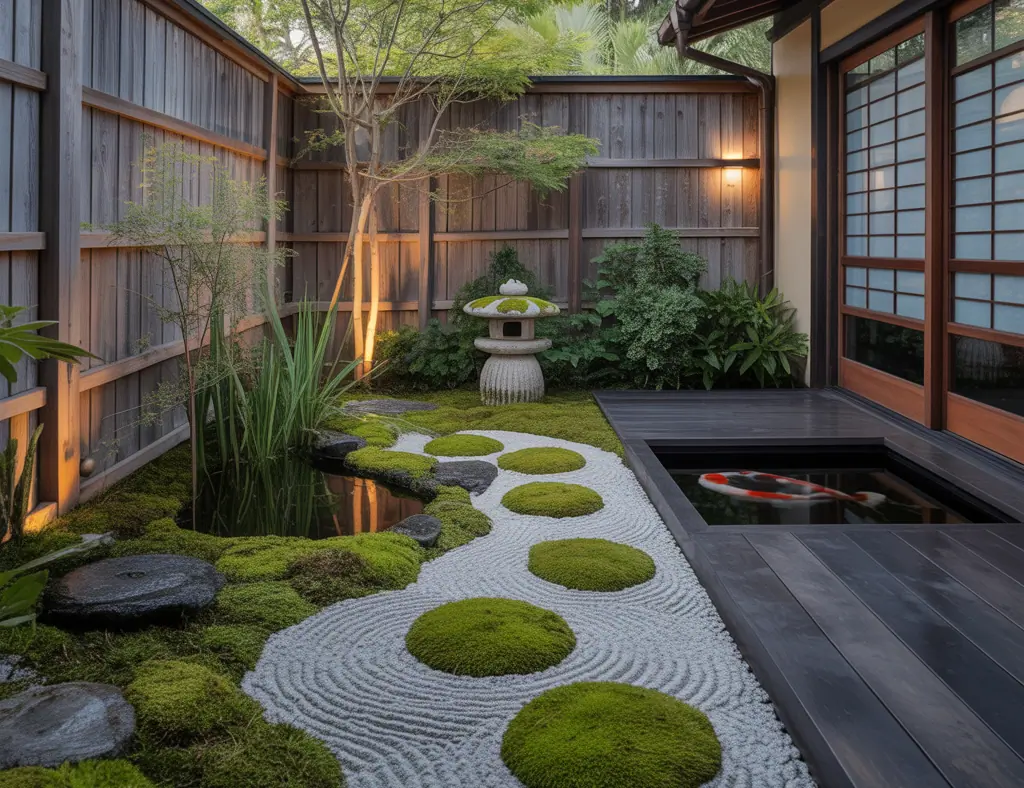
The Japanese garden style emphasizes balance, purpose, and subtle detail. Think mossy stones, minimalist planting, quiet water features, and thoughtfully placed lanterns. It’s not one gimmick but a collection of design philosophies—Zen (karesansui), tea garden (chaniwa), and courtyard gardens (tsubo-niwa)—that can be adapted to large yards, small balconies, or patio planters.
Why choose a Japanese garden for your home
- Low-maintenance: Many Japanese-style landscapes use evergreen shrubs, moss, and rocks that require less frequent care.
- Timeless design: Simple lines and natural materials age gracefully and suit many architectural styles.
- Meditative benefits: Thoughtful layout and sensory elements (sound of water, texture of stone) create a relaxing outdoor room.
- Flexible scale: From a full backyard redesign to a small courtyard or container garden, the aesthetic translates well.
Implementing the Japanese Outdoor Garden Concept in Your Backyard
Ready to transform your space? Below are practical DIY steps and design ideas to build a Japanese-inspired outdoor garden that matches your budget and skill level.
1. Start with a simple plan
- Sketch your space: Note dimensions, patio access, sun patterns, and existing plants.
- Choose a focal point: A stone lantern, a small pond, or a striking maple can anchor the design.
- Decide on a style: Karesansui (rock and gravel), tea garden, or moss garden—each has different maintenance needs.
2. Define paths and sightlines
Japanese gardens often use stepping stones (tobi-ishi) and winding paths to encourage slow movement. Use natural flagstone or simple pavers spaced irregularly to mimic a meandering garden walk. Mulch or fine gravel between stones reinforces the minimal look and aids drainage.
3. Use rocks and gravel strategically
Rocks symbolize islands or mountains in traditional designs. Group three to five stones of varying heights to create a natural-looking arrangement. For a dry garden (karesansui), rake gravel into patterns around stones to suggest water flow—this is a beginner-friendly DIY that delivers big visual impact.
4. Add water (or the sound of it)
A small basin (tsukubai) or a bubbling stone fountain delivers soothing sound without the complexity of a full pond. Solar-powered bubblers are easy to install and low-maintenance—place near seating for the best calming effect.
5. Plant with intention
- Evergreens like Japanese yew and dwarf pines provide year-round structure.
- Accent with Japanese maples, azaleas, and camellias for seasonal color.
- Use moss, ferns, and hostas in shady spots for soft groundcover.
6. Incorporate wood and bamboo
Bamboo fencing, bamboo screens, or simple wooden gates add privacy and authenticity. Use weather-resistant wood and local bamboo alternatives if bamboo isn’t suitable in your area.
Practical DIY Tips and Step-by-Step Improvement Ideas
Here are hands-on projects to try over a weekend or a few afternoons.
DIY Project: Mini Zen Rock Garden (Weekend)
- Materials: shallow wooden tray, fine sand or gravel, 3-5 stones, small rake.
- Assemble tray and fill with sand, arranging stones asymmetrically.
- Use the rake to create flowing patterns; place on a porch or coffee table for instant calm.
DIY Project: Stepping Stone Path (2-3 days)
- Lay out stones following a natural curve; remove turf beneath each stone.
- Level with gravel and compact; set stones and backfill gaps with mulch or gravel.
- Plant moss or groundcover to soften edges.
Maintenance Tips
- Prune for shape, not size: Japanese pruning (niwaki) focuses on exposing structure and controlling growth.
- Weed regularly; moss thrives in weed-free, damp soil.
- Inspect water features monthly for algae and circulation issues.
Design Inspiration: Styles and Layouts
Use these ideas as a starting point and adapt to your climate and space:
- Small backyard Japanese garden: Compact tea-garden layout with a stone lantern, narrow path, and a single maple.
- Courtyard/tsubo-niwa: Fit a moss patch, a bamboo screen, and a water basin into even tiny urban spaces.
- Front-yard meditation nook: Use a bench, simple planting, and a vertical bamboo fence to create privacy and curb appeal.
Real-World Advice: Budget, Plants, and Climate Considerations
Not all plants used in Japan will suit your zone—choose native alternatives that mimic form and texture. For example, substitute local evergreen shrubs for Japanese yew if yew is not hardy in your area. Budget-friendly choices include reused stones, secondhand lanterns, and solar water pumps. Start small: a single feature (path, basin, or stone arrangement) can be scaled up over time.
Frequently Asked Questions
Q1: Is a Japanese garden high-maintenance?
A1: Not necessarily. While traditional gardens are carefully tended, many Japanese-style elements—evergreen structure, rocks, and gravel—are low-maintenance. Choose plant varieties suited to your climate and use groundcover like moss or gravel to reduce weeding.
Q2: Can I create a Japanese garden in a small space or patio?
A2: Absolutely. The tsubo-niwa (courtyard garden) is specifically designed for small areas. Use containers, a small water basin, compact evergreens, and vertical elements like bamboo screens to evoke the style in limited space.
Q3: What are budget-friendly ways to get the look?
A3: Repurpose stones and wood, shop at plant sales for moss and ferns, and choose DIY water features like solar bubblers. Focus on a single focal element—like a stone arrangement or stepping path—to create big visual impact without a large budget.
Conclusion — Make the Japanese Outdoor Garden Concept Your Next DIY
Transforming your yard into a quiet retreat using the Japanese outdoor garden concept is achievable, rewarding, and scalable. Start with a clear plan, pick a focal feature, and tackle small DIY projects that build on each other. Ready to try a weekend project? Browse our DIY projects for detailed plans, or explore more home design ideas if you’re expanding your redesign—if your kitchen is next on the list, see our kitchen upgrades for inspiration. Share your progress, ask questions, or subscribe for step-by-step guides—let’s create a calming outdoor space you’ll love.