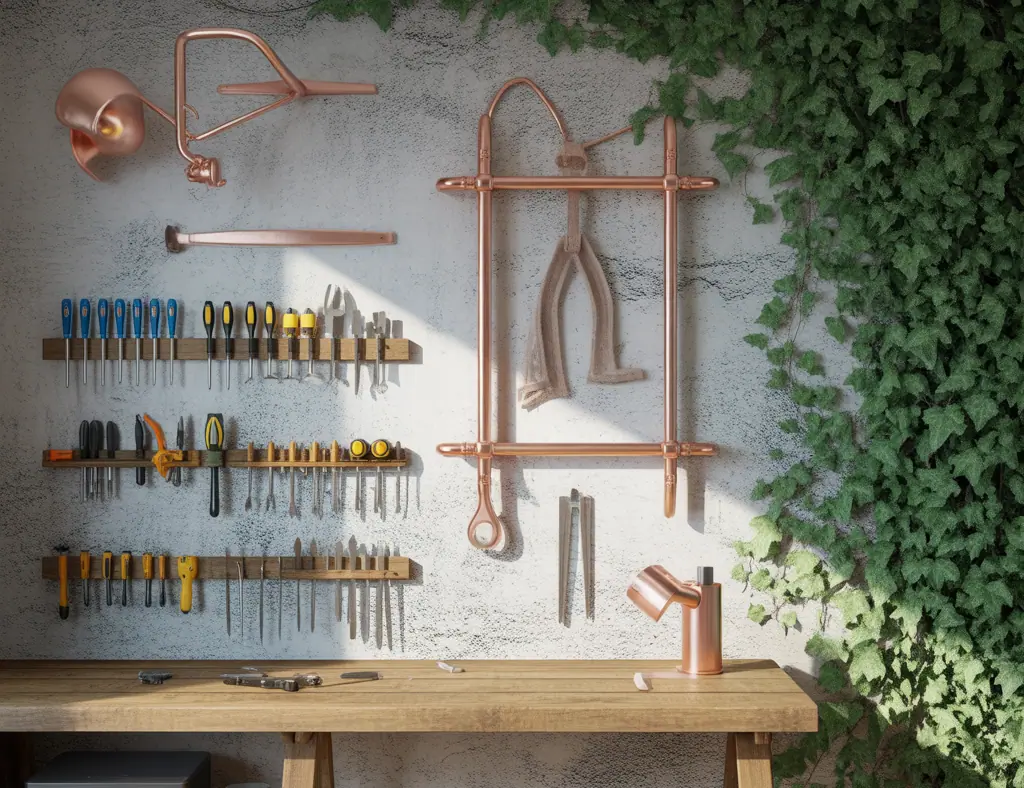
Ever stared at a blank indoor wall or a tired backyard fence and thought, “This could use life”? You’re not alone. Whether you’re a weekend DIYer or a first-time home improver, the ivy wall concept is one of the most satisfying, budget-friendly ways to add texture, color, and natural insulation to your home. Imagine a living green backdrop for family photos, a privacy screen for your patio, or a calm focal point in your living room—this is where a vertical ivy wall comes in.
Ivy Wall Concept: What It Is and Why It Works
The ivy wall concept is essentially using climbing plants—often ivy—to cover a vertical surface, creating a living wall or green facade. This green wall idea can be installed indoors as an indoor ivy wall or outdoors as an outdoor ivy wall installation. It works because climbing plants root, attach, and spread, giving you a soft, layered surface that changes with the seasons. A well-planned ivy wall provides shade, privacy, and a natural aesthetic that complements modern and traditional homes alike.
Design Inspiration: Styles and Where to Use an Ivy Wall
- Accent Wall: A bold living wall behind a sofa or bed creates texture and a soothing focal point.
- Patio Privacy Screen: Install on a fence or trellis to soften the view and reduce noise.
- Kitchen Backsplash Alternative: A small indoor ivy panel to bring freshness into cooking zones (see related kitchen upgrades).
- Vertical Garden Hybrid: Combine ivy with trailing succulents or ferns for a mixed green wall that attracts birds and pollinators.
- Geometric Green Art: Use wooden frames or wire shapes to create ivy outlines—perfect for modern homes and those exploring new home design ideas.
Materials & Tools: What You’ll Need for an Ivy Wall DIY
- Climbing ivy plants (Hedera helix, Boston ivy, or variegated ivy)
- Trellis, stainless-steel wire grid, or modular living wall panels
- Wall anchors and brackets (for outdoor installations)
- Quality potting mix and slow-release fertilizer
- Plant ties, soft gardening clips, or burlap strips
- Pruning shears, gloves, ladder, and watering can
Choosing the Right Ivy and Structure
Pick species based on location: Hedera helix for shade, Boston ivy for sun, and variegated varieties for contrast. For indoor ivy walls, choose non-invasive, slower-growing species and container systems like living wall panels to control roots.
Step-by-Step: Easy Ivy Wall DIY for Beginners
- Plan the Space: Measure your wall and sketch how dense you want the coverage. Consider light exposure—full sun, partial shade, or indoor lighting.
- Select a Support System: For brick or wood, a trellis or wire grid mounted a few inches from the wall works well. For indoor walls, use modular living panels or container pockets.
- Prepare Plants: Start with healthy ivy plants in 3–4 inch pots. Soak root balls before planting to reduce transplant shock.
- Install the Framework: Secure trellis or panels to the wall with appropriate anchors. Make sure everything is level and sturdy.
- Plant and Attach: Place plants in pockets or at the base of the trellis. Use soft ties or clips to guide vines toward the structure.
- Water and Mulch: Water deeply after planting and add mulch to retain moisture for outdoor installations.
- Train and Prune: Regularly train stems onto the support and prune to maintain shape and prevent overgrowth.
Practical Maintenance Tips for a Healthy Ivy Wall
- Water consistently—ivy likes moist but well-draining soil. Indoor ivy walls may need weekly watering depending on humidity.
- Fertilize lightly in spring and mid-summer with a balanced slow-release fertilizer.
- Prune in late winter or early spring to remove dead wood and shape the wall. Regular light trims prevent aggressive spread.
- Watch for pests like spider mites and scale; treat early with insecticidal soap or neem oil.
- Inspect wall surfaces annually—on older masonry or wood, place a small gap between trellis and wall to reduce moisture contact and potential damage.
Design Variations: Live vs. Faux Ivy Walls and Hybrids
Not every project needs live plants. Faux ivy panels offer low maintenance and instant coverage for areas where growing conditions are poor. Consider mixing: live ivy at the base and artificial panels above for a fuller look without extra upkeep. Another hybrid is using living moss strips alongside ivy for texture contrast and a soft, modern touch.
Real-World Considerations & Common Concerns
- Wall Damage: Mature ivy can cling tightly; for brick and stone it’s usually fine but can penetrate mortar. On wood or older surfaces, use a freestanding frame to avoid long-term moisture damage.
- Neighbors & Regulations: Check local rules for exterior modifications and be mindful of shared fences or boundaries.
- Climate Suitability: Some ivies are hardy in cold climates while others prefer mild temperatures. Match the plant to your USDA zone or local climate.
Easy Upgrades & Advanced Ideas
- Add integrated drip irrigation for effortless watering.
- Install grow lights for indoor ivy walls to ensure even growth.
- Combine with vertical planters for herbs near the kitchen—another great DIY projects idea.
- Create seasonal interest by interplanting flowering climbers like clematis with your ivy.
Frequently Asked Questions
Will ivy damage brick or wood walls?
Ivy can cling tightly to masonry but typically doesn’t damage solid brick or stone. However, on soft mortar, wood, or older surfaces, ivy can trap moisture and accelerate decay. Use a trellis mounted slightly away from delicate walls to protect them.
Can I create an indoor ivy wall?
Yes—indoor ivy walls are popular as living art. Use modular living wall panels or planters with good drainage, choose slow-growing, non-invasive species, and provide consistent moisture and indirect light or grow lights.
How long until my ivy wall looks full?
Growth depends on species and conditions. Expect visible coverage in 6–12 months under good conditions, with fuller, mature coverage in 1–3 years. Regular training and pruning speed up the process and shape the look.
Conclusion: Bring the Ivy Wall Concept Home
The ivy wall concept is a versatile, low-cost way to upgrade your home’s look and feel—indoors or out. With a little planning, the right support system, and seasonal maintenance, you can create a living green wall that provides privacy, beauty, and a touch of nature every day. Ready to try it? Pick a wall, choose your ivy variety, and start your next green DIY project—then share your results and keep exploring more home design ideas.
Call to action: If you liked this guide, try one of our easy DIY projects next weekend and tag us with your ivy wall photos. Need specific help choosing plants for your wall? Tell us about your space and climate, and we’ll recommend the best approach.