Core Principles of Sustainable Property Management
At its heart, sustainable property management is a holistic approach that balances environmental responsibility with social equity and economic viability. This concept, often referred to as the “triple bottom line,” moves beyond simply minimizing harm to actively creating positive impacts. It acknowledges that properties are not isolated structures but integral parts of larger ecosystems and communities.
The environmental sphere focuses on reducing a property’s ecological footprint. This involves minimizing energy and water consumption, reducing waste, utilizing eco-friendly materials, and protecting biodiversity. The goal is to conserve natural resources and mitigate climate change.
The social impact aspect considers the well-being of occupants and the broader community. This includes providing healthy indoor environments, fostering community engagement, ensuring accessibility, and promoting social equity. For instance, studies show that employees in certified green buildings report higher job satisfaction and improved health and productivity, with 93% expressing job satisfaction.
Finally, the economic balance ensures that sustainable practices are financially sound and offer long-term value. This means achieving cost savings through efficiency, enhancing property value, attracting and retaining tenants, and securing financial incentives for green initiatives. Sustainable property management integrates these principles throughout the entire building lifecycle, from design and construction to operations and maintenance. It requires considering the motivations and impacts on all stakeholders, from property owners and managers to residents and the surrounding community. By adopting these core principles, we can transform properties into assets that benefit both people and the planet, providing truly sustainable eco-friendly home solutions.
High-Impact Eco-Friendly Home Improvement Strategies
Implementing eco-friendly home improvements is a practical way to enhance sustainability, reduce operating costs, and improve the comfort and value of your property. These strategies focus on minimizing resource consumption and maximizing efficiency.
Energy Efficiency as a Foundation for Eco-Friendly Home Improvement
Energy efficiency is often the most impactful starting point for sustainable property solutions. Buildings, including homes, are significant energy consumers, with the construction sector alone accounting for 36% of final energy use globally in 2018. Reducing this consumption is crucial.
One of the simplest yet most effective upgrades is switching to LED lighting. LEDs consume significantly less energy than traditional bulbs and have a much longer lifespan, leading to substantial savings on electricity bills and maintenance. Beyond lighting, improving the building envelope—the physical separator between the interior and exterior environments—is critical. This involves enhancing insulation in walls, roofs, and floors, and sealing air leaks. Proper insulation reduces the need for heating and cooling, which are major energy drains. For instance, an insulating spray foam roof can dramatically reduce indoor temperatures, making homes comfortable even on very hot days and leading to significant energy savings.
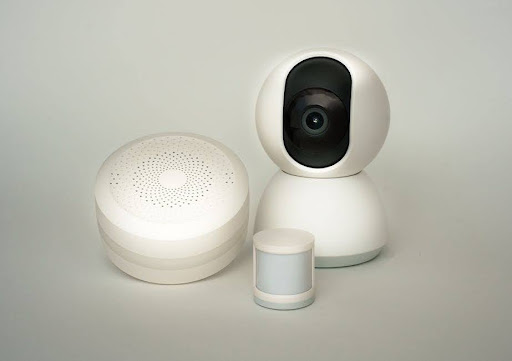
Incorporating passive cooling strategies, such as strategic window placement, natural ventilation, and external shading, can further reduce reliance on air conditioning. Installing Energy Star appliances and smart thermostats provides additional layers of efficiency. Smart thermostats learn your preferences and adjust temperatures automatically, optimizing energy use. Smart controls and energy monitoring systems allow homeowners to track their energy consumption in real-time, identify inefficiencies, and make informed decisions about energy demand reduction. In regions like Northern California, where climate patterns can vary, these measures also contribute to greater climate resilience, helping homes adapt to changing weather conditions.
Water Conservation and Sustainable Landscaping for Eco-Friendly Home Improvement
Water is a precious resource, and efficient management is a cornerstone of sustainable property solutions. Effective water conservation strategies can significantly reduce water bills and minimize environmental impact.
Installing low-flow fixtures in bathrooms and kitchens, such as toilets, showerheads, and faucets, drastically cuts down on water usage without compromising performance. Outside the home, sustainable landscaping practices are essential. This includes designing landscapes with native plants and drought-resistant landscaping that thrive in the local climate, requiring less irrigation. Native plants also support local ecosystems and biodiversity.
To further optimize outdoor water use, smart irrigation systems with moisture sensors can deliver water precisely when and where it’s needed, preventing overwatering and waste. Regular leak detection and prompt repairs are also vital, as even small leaks can lead to significant water loss over time. By combining these indoor and outdoor strategies, properties can achieve substantial water savings, contributing to both environmental preservation and financial benefits.
Read More: What Roof Items Require the Most Roof Repairs?
Maximizing Efficiency with Solar Energy and Storage
Harnessing the power of the sun is a transformative step towards energy independence and a reduced carbon footprint. Solar energy systems, particularly photovoltaic (PV) systems, convert sunlight directly into electricity, providing a clean, renewable power source for your home.
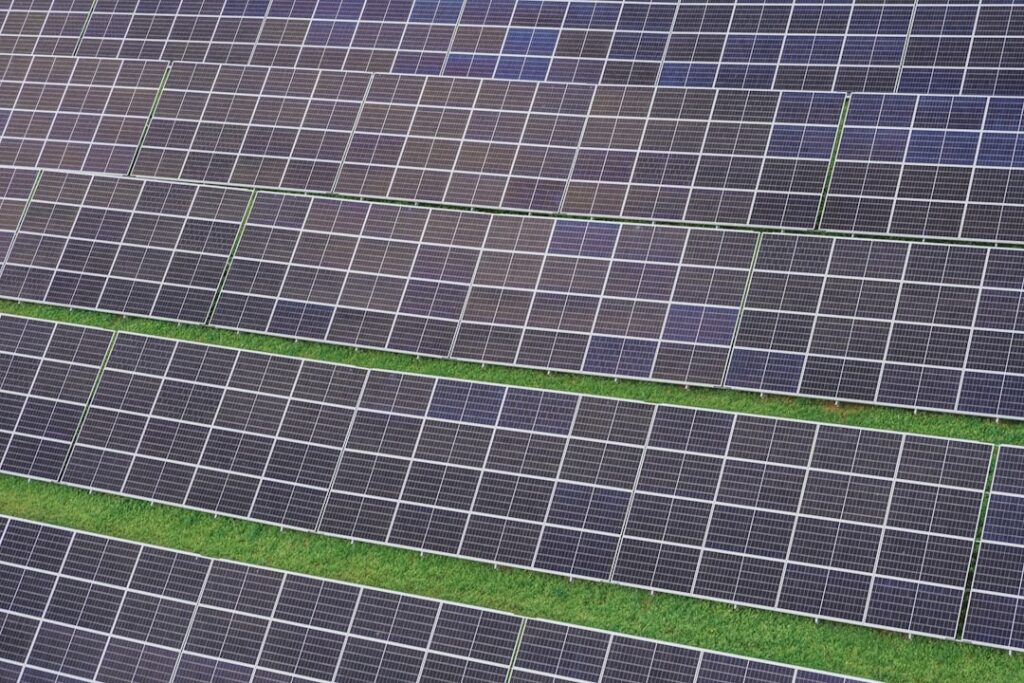
Integrating solar panels or a Tesla Solar Roof not only generates electricity but also contributes to the broader goal of grid decarbonization. As more properties produce their own power, the overall demand on fossil fuel-based grids decreases, accelerating the transition to a cleaner energy infrastructure.
The effectiveness of solar energy is greatly enhanced when paired with energy storage batteries. These batteries store excess electricity generated during peak sunlight hours, allowing you to use it at night or during cloudy periods. This creates a more resilient and self-sufficient energy system, reducing reliance on the grid and providing backup power during outages. The concept of “prosumers”—properties that both produce and consume energy—is becoming increasingly prevalent, enabling homeowners to actively participate in the energy market and even sell surplus electricity back to the grid.
Renewable energy integration also extends to other aspects of home design, such as solar thermal systems for water heating. By combining on-site generation with efficient storage, properties can achieve significant energy savings, lower utility bills, and make a tangible contribution to a sustainable future.
Sustainable Building Materials and Property Value
The choice of building materials has a profound impact on a property’s environmental footprint, its long-term durability, and ultimately, its value. Sustainable building materials prioritize recycled content, minimize toxic chemicals, and reduce embodied carbon—the greenhouse gas emissions associated with the extraction, manufacturing, transport, and disposal of building products.
For example, metal roofing is a popular choice for sustainable properties due to its longevity, recyclability, and energy-efficient properties. It can reflect solar radiation, reducing cooling loads, and is often made from a high percentage of recycled materials. When considering roofing options, a comparison like the following can highlight the benefits:
Beyond roofing, selecting materials like non-toxic paints with low Volatile Organic Compounds (VOCs) improves indoor air quality, which is crucial for occupant health. Similarly, using FSC-certified wood ensures that timber comes from sustainably managed forests, preventing deforestation. Incorporating materials with high recycled content—such as recycled steel, reclaimed wood, or insulation made from recycled denim—reduces demand for virgin resources and diverts waste from landfills.
These material choices not only benefit the environment but also enhance property value and appeal. Buyers are increasingly seeking homes that are durable, healthy, and have lower operating costs. Properties built or renovated with sustainable materials often command higher prices and attract environmentally conscious tenants, making them a wise long-term investment.
The Future of Eco-Friendly Home Improvement and Smart Technology
The landscape of sustainable property solutions is continuously evolving, driven by technological advancements and a growing global commitment to environmental stewardship. The future of eco-friendly home improvement is deeply intertwined with smart technology, creating properties that are not just efficient but also intuitive and adaptive.
One of the most significant trends is the widespread adoption of smart meters and advanced building automation systems. These technologies provide granular data on energy and water consumption, allowing homeowners and property managers to monitor usage in real-time, identify inefficiencies, and optimize system performance. For instance, automated HVAC systems can adjust heating and cooling based on occupancy, external weather conditions, and even predicted energy prices, leading to substantial savings and reduced carbon emissions.
Predictive maintenance is another emerging area, leveraging data analytics and AI to anticipate equipment failures before they occur. This reduces downtime, extends the lifespan of systems, and prevents costly emergency repairs, further enhancing the economic sustainability of a property.
Beyond individual property efficiency, broader concepts like the circular economy are gaining traction. This involves designing products and buildings for longevity, reuse, and recycling, minimizing waste and maximizing resource value. Material passports, for example, are digital records that track the composition and origin of building materials, facilitating their reuse or proper recycling at the end of a building’s life.
Finally, regenerative design represents the pinnacle of sustainable practices. Moving beyond merely being “less bad,” regenerative properties aim to actively restore and revitalize ecological and social systems. This might include buildings that generate more energy than they consume, purify water, or enhance biodiversity. As technology continues to advance, these visionary approaches will become increasingly accessible, shaping a future where homes and buildings are powerful forces for environmental good.
Frequently Asked Questions about Eco-Friendly Home Improvements
Sustainable practices significantly enhance property value in several ways. They lead to lower operating costs through reduced energy and water consumption, which is a major draw for potential buyers and tenants. Green certifications (like LEED or ENERGY STAR) can serve as a visible marker of quality and efficiency, often leading to higher appraisal values. Furthermore, properties with eco-friendly features are increasingly seen as future-proof, better equipped to meet evolving environmental regulations and consumer preferences. This increased desirability and lower cost of ownership can translate into faster sales and higher market prices.
The financial benefits of energy efficiency are substantial and multifaceted. Primarily, homeowners and property managers experience significant reductions in utility bills due to lower electricity and water consumption. For instance, upgrades like LED lighting, improved insulation, and smart thermostats directly translate into monthly savings. These cost reductions can offset the initial investment over time, providing a positive return on investment (ROI). Additionally, many governments and utility companies offer incentives, rebates, or tax credits for energy-efficient upgrades, further reducing upfront costs. Over the long term, these savings contribute to a property’s overall financial health and attractiveness.
Technology plays a pivotal role in advancing sustainable property management. Smart meters provide detailed insights into energy and water usage, enabling precise monitoring and identification of waste. Building automation systems allow for centralized control and optimization of HVAC, lighting, and security, adapting to real-time needs. Predictive maintenance software uses data analytics to prevent equipment failures, extending asset life and reducing resource consumption. Digital platforms facilitate paperless operations, from lease agreements to maintenance requests, minimizing waste. Furthermore, technology can engage residents through apps that provide energy consumption data, tips for sustainable living, and community-wide challenges, fostering a collective effort towards sustainability.
Conclusion
The journey towards sustainable property solutions is not merely an environmental imperative; it is a strategic investment that yields profound and lasting benefits. As we’ve explored, integrating eco-friendly home improvements and solar energy into our properties creates spaces that are more energy-efficient, water-wise, and built with healthier materials. These choices directly address the significant environmental impacts of the construction sector, contributing to a substantial reduction in carbon footprint and conserving vital natural resources.
Beyond the environmental gains, the financial advantages are clear: lower utility bills, increased property value, and enhanced tenant satisfaction. In regions like Northern California, where environmental consciousness is high and climate resilience is paramount, embracing these solutions positions properties for long-term success and desirability.
Investing in eco-friendly home improvements and solar energy is about building a better future—one home, one property at a time. It’s about creating living and working environments that are not only comfortable and cost-effective but also actively contribute to a healthier planet for generations to come.
Apart from this, if you are interested to read an amazing article on Roof Emergencies in Long Island then visit our Roof Repair category.