Understanding the Fundamentals of Indoor Air Quality
We spend a lot of our lives indoors. In fact, most of us are inside for about 90% of our time. This means the air in our homes, workplaces, and schools truly affects our health and how we feel.
Indoor air quality (IAQ) is simply about how clean or polluted the air is inside buildings. We often don’t think about it, but this indoor air can sometimes be worse than the air outside. Bad IAQ can cause many health problems. These range from small issues like headaches to very serious diseases over time. Global health experts even link poor indoor air to millions of deaths each year. The World Health Organization (WHO) estimates that 3.8 million people worldwide die annually from illnesses attributable to harmful indoor air, largely from inefficient cookstoves and fuels. Furthermore, the EPA estimates that radon alone is responsible for approximately 21,000 U.S. deaths from lung cancer each year. Poor indoor air quality is not just an inconvenience; it’s a significant public health challenge that demands our attention.

In this guide, we will look closely at indoor air quality. We will learn about common pollutants and what they do to our health. Most importantly, we will share simple steps you can take to make the air in your home much healthier.
Indoor air quality (IAQ) refers to the characteristics of the air within and around buildings and structures, specifically as it pertains to the health, comfort, performance, and productivity of the occupants. It encompasses a complex interplay of factors, including temperature, humidity, and the presence of various pollutants. Unlike outdoor air quality, which is often monitored by public agencies, IAQ is largely influenced by a building’s design, maintenance, occupant activities, and the materials used within it.
Maintaining optimal IAQ is crucial because, as statistics show, we spend the vast majority of our lives indoors. This prolonged exposure means that even low levels of pollutants can have significant cumulative effects on our well-being. Good IAQ extends beyond merely preventing illness; it actively contributes to our overall health and comfort. Thermal comfort, for instance, plays a direct role in how we perceive air quality. Uncomfortable temperatures or humidity levels can exacerbate the perception of poor air and even promote the growth of certain biological contaminants.
The impact of IAQ also extends to our cognitive function and productivity levels. Research has shown that poor air quality within an office environment can impair employees’ cognitive function, affecting response times and the ability to focus, and potentially decreasing overall productivity. Conversely, “green” environments with low indoor pollutants have been associated with improved health and performance in both children and adults.
A significant concern related to poor IAQ is Sick Building Syndrome (SBS), a condition where occupants of a building experience acute health and comfort effects that appear to be linked to time spent in the building, but no specific illness or cause can be identified. Symptoms often include headaches, dizziness, nausea, eye, nose, or throat irritation, dry cough, and difficulty concentrating. While the exact causes of SBS are often elusive, inadequate ventilation and chemical contaminants from indoor sources are frequently implicated.
Various governmental bodies and organizations, such as the Environmental Protection Agency (EPA), provide comprehensive guidance and recommendations for maintaining healthy indoor air. Although there are no universal federal standards for IAQ in non-industrial settings, these guidelines offer best practices for managing common pollutants. For those seeking advanced insights into environmental quality management and comprehensive IAQ solutions, resources like Omega environmental indoor air quality offer valuable perspectives on assessment, monitoring, and improvement strategies.
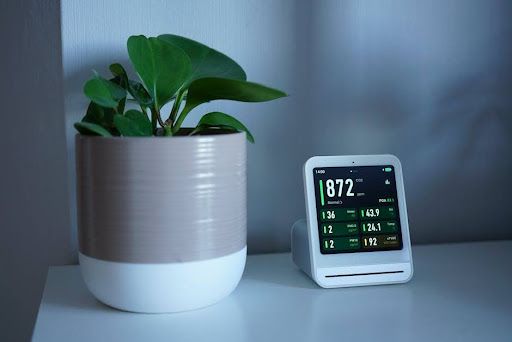
The advent of real-time sensors has revolutionized IAQ monitoring, allowing individuals and building managers to track pollutant levels continuously. This technology provides immediate feedback, enabling proactive adjustments to ventilation or filtration systems and helping to identify specific pollutant sources as they arise. These low-cost, portable sensors are also empowering community-based research, providing new opportunities to conduct research and inform individuals or communities on daily health exposures.
Primary Sources of Indoor Pollutants
Indoor environments, while offering shelter, can also trap a myriad of pollutants that originate from both inside and outside the building. Identifying these primary sources is the first step toward effective IAQ management.
One of the most pervasive categories of indoor pollutants comes from combustion byproducts. Activities like cooking, heating, and burning candles or incense release a range of harmful substances. Improperly vented or malfunctioning fuel-burning appliances, such as gas stoves, furnaces, fireplaces, and water heaters, can emit dangerous gases like carbon monoxide (CO). Carbon monoxide is an odorless, colorless, and highly toxic gas that can cause severe illness or death. Proper venting and regular maintenance of these appliances are critical to prevent CO buildup. Other combustion byproducts include nitrogen dioxide (NO2) and fine particulate matter (PM2.5), both of which can irritate the respiratory system and contribute to cardiovascular problems.
Another significant source is volatile organic compounds (VOCs). These are gases emitted from certain solids or liquids, many of which can have short- and long-term adverse health effects.
Common Volatile Organic Compounds (VOCs) and Their Sources:
- Formaldehyde: A strong-smelling chemical found in pressed wood products (particleboard, plywood, fiberboard), some furniture, flooring, carpets, fabrics, glues, adhesives, paints, and coating products. It is known to be a human carcinogen.
- Benzene: Found in glues, paints, furniture wax, and detergents.
- Toluene: Present in paints, lacquers, adhesives, and synthetic fragrances.
- Xylene: Used in printing, rubber, and leather industries, also found in paints.
- Acetone: Found in nail polish remover, paint removers, and some cleaning products.
- Perchloroethylene (PCE): Commonly used in dry cleaning fluids.
- Phthalates: Often found in plastics, vinyl flooring, and some personal care products.
Beyond these, various building materials themselves can be significant sources of pollutants. For example, older homes may contain asbestos fibers in insulation, floor tiles, or roofing materials. When disturbed, these microscopic fibers can become airborne and, if inhaled, pose a serious risk of lung disease and cancer. Similarly, lead dust from deteriorating lead-based paint in homes built before 1978 presents a significant hazard, especially to children.
A naturally occurring, radioactive gas, radon gas, is a leading cause of lung cancer among non-smokers. Radon seeps into homes from the soil through cracks in foundations, walls, or gaps around pipes. It is invisible, odorless, and tasteless, making testing the only way to detect its presence. The EPA estimates that radon is responsible for about 21,000 U.S. lung cancer deaths annually, making it a pervasive and serious indoor air hazard.
Finally, secondhand smoke from tobacco products is a well-documented source of numerous harmful chemicals, including carcinogens and respiratory irritants. Even after a cigarette is extinguished, residual chemicals, known as thirdhand smoke, can cling to surfaces and dust, posing ongoing health risks. Eliminating indoor smoking is one of the most impactful steps to improve IAQ.
Common Pollutants Affecting Indoor Air Quality
Indoor air pollution is a complex issue, with various substances contributing to poor air quality. These pollutants can be broadly categorized as chemical or biological. Understanding their characteristics and sources helps in developing targeted mitigation strategies.
Particulate matter (PM2.5), specifically fine inhalable particles with diameters generally 2.5 micrometers and smaller, is a major concern. These tiny particles can penetrate deep into the lungs and even enter the bloodstream, causing respiratory and cardiovascular problems. Common indoor sources include cooking (especially frying and broiling), burning candles or incense, fireplaces, and tobacco smoke. Outdoor PM2.5 can also infiltrate indoors, particularly during events like wildfires.
Nitrogen dioxide (NO2) is another gaseous pollutant primarily generated by indoor combustion sources. Gas stoves, unvented kerosene or gas heaters, and tobacco smoke are common culprits. Exposure to NO2 can lead to respiratory irritation, especially for individuals with asthma or other lung conditions.
Many everyday household cleaners and consumer products release VOCs and other chemicals into the air. Products like air fresheners, cleaning sprays, polishes, and even personal care items can contribute to the chemical load indoors. Some “green” cleaning products, while marketed as safer, can still emit significant levels of VOCs.
Pesticides, used indoors for pest control, can linger in the air and on surfaces, posing health risks, particularly to children and pets. Integrated pest management strategies that minimize chemical use are recommended.
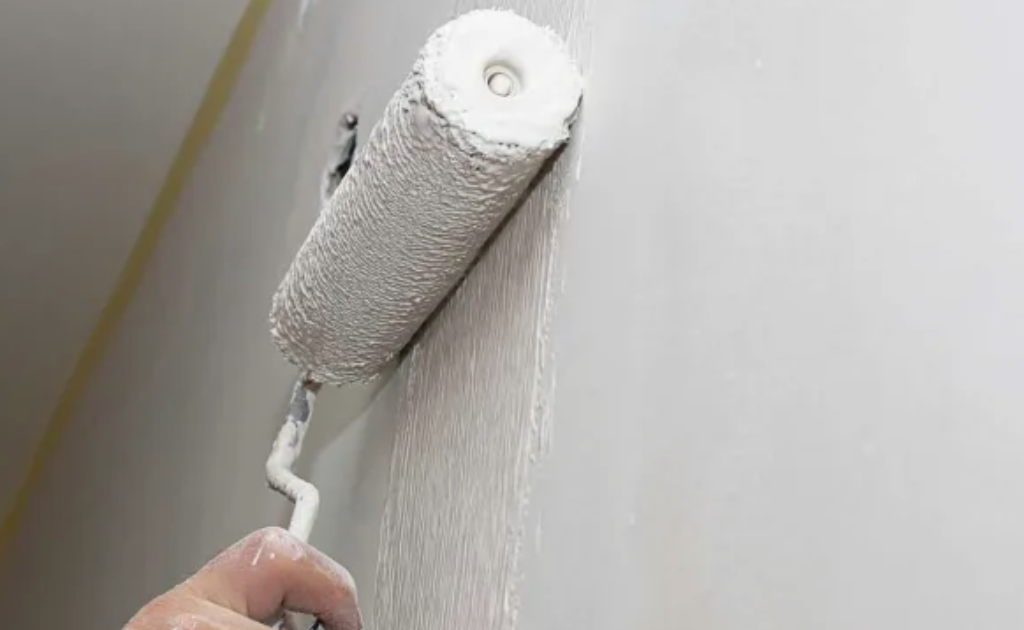
Off-gassing is the release of airborne chemicals from new materials and products. New furniture finishes, carpeting, paints, and construction materials can continue to emit VOCs for weeks or even months after installation. Choosing low-VOC or no-VOC products can significantly reduce this source of pollution.
Here’s a table summarizing the characteristics of chemical versus biological pollutants:
Characteristic Chemical Pollutants Biological Pollutants Origin Man-made products, combustion, natural geological (radon) Living organisms, their byproducts, or once-living matter Examples VOCs, formaldehyde, CO, NO2, radon, asbestos, lead Mold, bacteria, viruses, dust mites, pet dander, pollen State Gases, vapors, microscopic fibers, fine particles Spores, cells, fragments, allergens Primary Health Effects Respiratory irritation, headaches, nausea, cancer, organ damage Allergic reactions, asthma, infections, toxic responses Detection Specialized monitors, chemical tests, lab analysis Visual inspection (mold), specific allergen tests, culture Control Strategies Source removal, ventilation, filtration (specific filters) Moisture control, cleaning, filtration (HEPA), ventilation
How Outdoor Pollution Affects Indoor Air Quality
The air inside our buildings is not entirely isolated from the outside world. The building envelope – the walls, windows, roof, and foundation – acts as a barrier, but it’s rarely airtight. This means that ambient air quality significantly influences IAQ, with outdoor pollutants often infiltrating our indoor spaces.
Climate change is exacerbating this connection. Rising global temperatures contribute to more frequent and intense wildfire smoke events. Smoke plumes, laden with fine particulate matter and hazardous gases, can travel vast distances and easily penetrate homes, even those with closed windows. Exposure to wildfire smoke indoors can cause respiratory distress, cardiovascular issues, and other health problems.
Increased heatwaves, another consequence of climate change, can lead to higher ground-level ozone infiltration. Outdoor ozone, a respiratory irritant, can enter buildings and react with indoor chemicals, forming new pollutants. Furthermore, warmer temperatures can extend pollen seasons, leading to higher pollen counts infiltrating homes and triggering allergies and asthma.
Urban smog and other forms of outdoor air pollution, including industrial emissions and vehicle exhaust, also contribute to indoor air problems. These pollutants can enter through natural ventilation (open windows), infiltration (cracks and gaps), or mechanical ventilation systems that draw in outdoor air.
Seasonal variations play a crucial role. During warmer months, open windows and doors can increase the influx of outdoor pollutants like pollen and ozone. In colder months, tightly sealed homes to conserve energy can trap indoor-generated pollutants, leading to their accumulation.
Research also highlights prenatal exposure risks. Studies suggest that household air pollution exposure, often influenced by outdoor air quality, likely affects lung development prenatally, increasing the risk of respiratory issues in infants. Conversely, improvements in outdoor air quality have been associated with improved lung development in children. This underscores the interconnectedness of indoor and outdoor air and the far-reaching implications for public health.
The Critical Role of Ventilation and HVAC Systems
Ventilation and heating, ventilation, and air conditioning (HVAC) systems are paramount in maintaining healthy indoor air quality. They are the primary mechanisms for diluting and removing indoor pollutants, controlling temperature and humidity, and introducing fresh outdoor air.
A key concept in ventilation is the air exchange rate, which refers to how often the entire volume of air in a space is replaced with fresh outdoor air. An adequate air exchange rate is essential to prevent the buildup of contaminants. Inadequate ventilation is a primary cause of poor IAQ, allowing pollutants to concentrate and negatively impact occupant health and comfort.
There are several approaches to ventilation:
- Natural airflow: This involves simply opening windows and doors to allow outdoor air to circulate through the building. While effective, it’s dependent on outdoor weather conditions and air quality.
- Mechanical ventilation: This uses fans and ductwork to actively bring in outdoor air and exhaust indoor air. Systems can range from simple exhaust fans in bathrooms and kitchens to whole-house ventilation systems.
- Energy Recovery Ventilators (ERVs) and Heat Recovery Ventilators (HRVs): These advanced mechanical systems are particularly useful in energy-efficient homes. They exchange heat and/or humidity between incoming fresh air and outgoing stale air, minimizing energy loss while ensuring adequate ventilation.
Properly functioning HVAC systems are integral to this process. Beyond temperature control, they play a vital role in filtration and humidity management. Regular maintenance of your HVAC system, including filter changes and professional inspections, is crucial. For example, ensuring your heating system is operating efficiently is not just about comfort; it’s also about preventing the release of combustion byproducts. If you ever experience issues with your heating system, prompt attention is critical, and a 24/7 emergency heating installation service can ensure your system is quickly restored to optimal, safe operation, contributing to better overall IAQ.
One of the most common indicators of inadequate ventilation is high CO2 accumulation. While carbon dioxide itself is not highly toxic at typical indoor levels, elevated CO2 concentrations (above 1000 parts per million, or ppm) serve as a proxy for insufficient fresh air exchange and can lead to symptoms like drowsiness, reduced cognitive function, and headaches. Monitoring CO2 levels can be an effective way to assess the adequacy of ventilation.
Humidity control is another critical function of HVAC systems. High indoor humidity levels (above 60%) create an ideal environment for mold growth, dust mites, and bacteria. Conversely, excessively low humidity can cause dry skin, respiratory irritation, and static electricity. Maintaining indoor humidity between 30% and 50% is generally recommended for comfort and to inhibit biological growth.
Finally, duct maintenance is often overlooked but essential for IAQ. Dirty or leaky ducts can harbor mold, dust, and other allergens, distributing them throughout your home. Leaky ducts also reduce the efficiency of your HVAC system and can draw in contaminants from unconditioned spaces like attics or crawlspaces. Regular duct cleaning and sealing ensure that conditioned air is delivered efficiently and cleanly.
Strategies for Reducing Biological Contaminants
Biological contaminants are living or once-living organisms that can thrive indoors and significantly impact IAQ, leading to allergic reactions, asthma exacerbations, and even infections. These include mold, dust mites, pet dander, pollen, bacteria, and viruses. Effectively managing these requires a multi-faceted approach focused primarily on moisture control and cleanliness.
Mold prevention is paramount, as mold thrives in damp environments. The key to controlling mold is moisture control. Fix any leaks in roofs, walls, or plumbing promptly. Ensure proper drainage around your home’s foundation. Use exhaust fans in bathrooms and kitchens to vent moisture outside, especially during showering and cooking. A dehumidifier can be highly effective in basements, crawl spaces, and other naturally damp areas. Mold can begin to grow on wet surfaces within 24-48 hours.
Dust mites are microscopic creatures that feed on dead skin cells and thrive in warm, humid environments, particularly in bedding, upholstered furniture, and carpets. To reduce dust mites, wash bedding (sheets, pillowcases, blankets) in hot water (at least 130°F) weekly. Use dust mite-proof covers on mattresses, pillows, and box springs. Vacuum carpets and upholstered furniture regularly with a vacuum cleaner equipped with a HEPA filter.
Pet dander, tiny flakes of skin shed by animals, is a common allergen. While it’s difficult to eliminate entirely if you have pets, regular grooming, frequent vacuuming, and keeping pets out of bedrooms can help reduce exposure.
Pollen reduction indoors involves keeping windows and doors closed, especially during high pollen seasons. Using high-efficiency HVAC filters (MERV 8-13) can capture airborne pollen before it circulates throughout your home.
Fungal spores are the reproductive units of mold and other fungi, and they become airborne easily. Controlling mold directly contributes to reducing fungal spores.
Bacteria and viral transmission can also be influenced by IAQ. Proper ventilation helps dilute airborne pathogens, reducing their concentration. Regular cleaning of surfaces, especially high-touch areas, is also important.
Dehumidification plays a critical role in controlling many biological pollutants. By keeping indoor humidity levels below 50%, we create an unfavorable environment for mold, dust mites, and bacterial growth.
Addressing biological contaminants, especially mold, has significant implications for early childhood asthma prevention. Studies suggest that actions to reduce mold exposure early in life may have long-term health benefits, potentially decreasing the prevalence and severity of asthma. For instance, among inner-city children with asthma living in homes with high levels of indoor air pollution, those with sufficient vitamin D levels had fewer symptoms, highlighting the complex interplay of environmental factors and health.
Conclusion
The air we breathe indoors profoundly impacts our health, comfort, and productivity. Given that we spend the vast majority of our lives within buildings, proactive management of indoor air quality is not just a luxury but a necessity for our well-being. From understanding the myriad sources of pollutants—ranging from combustion byproducts and volatile organic compounds to biological agents like mold and dust mites—to recognizing the subtle and overt signs of poor IAQ, knowledge empowers us to create healthier living and working environments.
The interconnectedness of indoor and outdoor air quality, particularly in the face of climate change and events like wildfires, further underscores the importance of resilient and well-ventilated buildings. Our HVAC systems, when properly maintained and equipped with high-efficiency filtration, serve as the first line of defense, actively shaping the air we inhale.
Embracing sustainable interventions such as source control, improved ventilation, and advanced filtration are not merely reactive measures but investments in long-term health benefits. These strategies protect vulnerable populations, enhance cognitive function, and contribute to a higher quality of life. By adopting an integrated air solutions approach that combines regular maintenance, smart monitoring, and informed choices about building materials and household products, we can significantly elevate the health of our indoor spaces.
Focusing on IAQ is about future-proofing home health and fostering a holistic wellness approach. It’s about creating environments where every breath is clean, safe, and conducive to thriving. As we continue to innovate in building science and environmental health, our collective commitment to understanding and improving indoor air quality will undoubtedly lead to healthier homes and a healthier future for all.
Apart from that, if you want to know more about Integrated Home Services for Seamless Property Maintenance then visit our Home Appliances category.
Frequently Asked Questions about IAQ
Recognizing the signs of poor IAQ is crucial for taking timely action. While some symptoms can be subtle and mimic common illnesses, persistent or recurring issues often point to an indoor air problem. Common indicators include:
Headaches: Frequent or unexplained headaches, particularly when indoors.
Fatigue: Persistent tiredness or lethargy, even after adequate rest.
Eye irritation: Dry, itchy, or watery eyes.
Sinus congestion: Chronic stuffiness, runny nose, or post-nasal drip.
Shortness of breath: Difficulty breathing, coughing, or wheezing, especially for individuals with respiratory conditions like asthma.
Dizziness: Feelings of lightheadedness or imbalance.
Lingering odors: Persistent or unusual smells that don’t dissipate, indicating a potential pollutant source.
Visible mold: Patches of mold growth on walls, ceilings, or other surfaces.
Excessive dust buildup: A constant accumulation of dust, which can carry allergens and pollutants.
Symptoms often improve or disappear when away from the affected building and return upon re-entry, providing a strong clue to an indoor source.
While poor IAQ can affect anyone, certain populations are particularly susceptible to its adverse health effects due to physiological differences, exposure patterns, or pre-existing conditions. These vulnerable groups include:
Children: Their developing respiratory and immune systems, higher metabolic rates, and faster breathing (inhaling more air per pound of body weight than adults) make them more vulnerable. They also spend more time in close proximity to floors and carpets where pollutants can settle.
Older adults: Their immune systems may be weaker, and they may have pre-existing health conditions that are exacerbated by poor air quality.
Immunocompromised individuals: People with weakened immune systems are more susceptible to infections from biological pollutants like bacteria and mold.
Pregnant women: Exposure to certain pollutants can impact fetal development and increase risks for both mother and child. Research shows prenatal household air pollution exposure can increase the chance of developing pneumonia in the first year of life.
Low socioeconomic households: These communities often live in older, poorly maintained housing with inadequate ventilation and higher exposure to pollutants like mold, lead, and secondhand smoke.
People with pre-existing respiratory conditions: Individuals with asthma, allergies, or chronic obstructive pulmonary disease (COPD) are highly sensitive to airborne irritants and allergens.
Native American communities: Some indigenous communities, like the Hopi tribe members, have identified indoor air quality as a significant environmental exposure concern, often linked to traditional housing structures or specific environmental factors.
Improving your home’s air quality doesn’t always require extensive renovations. Many immediate steps can make a significant difference:
Source removal: The most effective strategy is to eliminate or reduce pollution sources. For example, stop indoor smoking, use exhaust fans when cooking, and store chemicals in sealed containers outdoors or in a well-ventilated area.
Increased ventilation: Open windows and doors for short periods to bring in fresh outdoor air, especially when performing activities that generate pollutants (e.g., cleaning, painting, or using strong-smelling products).
High-efficiency filtration: Upgrade your HVAC filters to a higher MERV rating (Minimum Efficiency Reporting Value), ideally MERV 8-13, and change them regularly (every 1-3 months). Consider using portable air purifiers with HEPA filters in frequently used rooms.
Regular vacuuming: Use a vacuum cleaner with a HEPA filter at least once or twice a week to remove dust, allergens, and settled particulate matter from carpets and floors.
Humidity monitoring: Use a hygrometer to keep track of indoor humidity levels and aim for 30-50%. Use a dehumidifier if humidity is consistently too high.
Avoiding synthetic fragrances: Many air fresheners, candles, and scented products release VOCs. Opt for natural ventilation or essential oil diffusers if you desire scent.
Testing for radon: If you haven’t already, test your home for radon. If levels are high, consider professional mitigation.