Standing in your yard wondering how to turn an unruly patch of grass into a beautiful, low-maintenance outdoor room? You’re not alone. Many homeowners start with the same question—how can I make my outdoor space more usable, stylish, and easy to care for? If you’ve been searching for practical landscape upgrades or DIY outdoor projects, these ideas hardscape will kickstart your backyard transformation with doable steps and design inspiration.
Why hardscaping matters: form, function, and low-maintenance landscaping
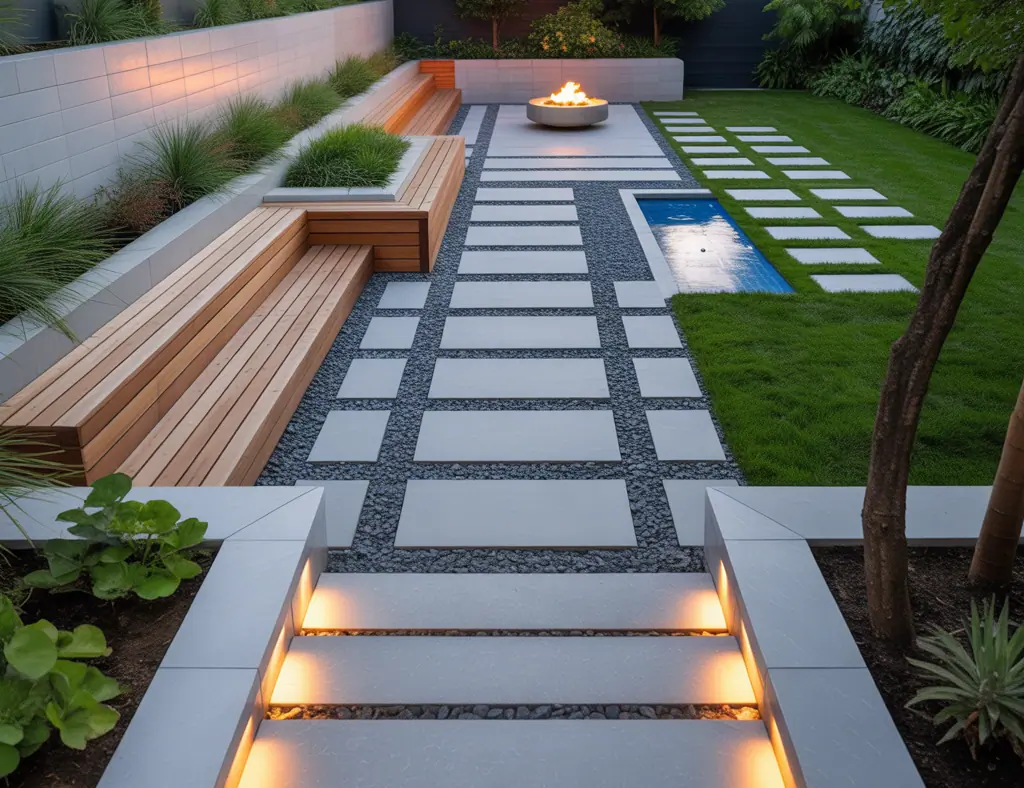
Hardscape elements—patios, walkways, retaining walls, fire pits, and terraces—give your yard structure and purpose. Unlike plants, hardscape is permanent and creates usable living space that adds value and reduces ongoing maintenance. Smart hardscape design pairs well with softscape (plants) to create balance: think a paved patio surrounded by planting beds, a gravel pathway framed by low-maintenance shrubs, or a retaining wall that becomes a built-in bench.
Top ideas hardscape for every backyard
Here are eight high-impact hardscaping ideas that work at different budgets and DIY skill levels:
- Paver patio with geometric layout — Use concrete or clay pavers for a clean, durable entertaining area. Try a herringbone or basketweave pattern for visual interest.
- Gravel pathways — Affordable and easy to install. Add metal or stone edging to keep gravel contained and create crisp lines.
- Dry-stack retaining wall — Use natural stone or concrete block to manage slopes and add planting terraces.
- Fire pit seating circle — Build a circular paver bed and a central gas or wood-burning fire pit for cozy nights outdoors.
- Stepping stones through a garden — Large flagstones or reclaimed concrete create casual walkways with planting to soften the edges.
- Raised planter boxes and bench combos — Combine seating with garden beds for space-efficient design.
- Concrete slab with inlays — Personalize a slab patio with brick or tile inlays for a modern look.
- Outdoor kitchen island — For bigger projects, a built-in grill island or pizza oven turns the yard into a full entertaining zone.
Practical DIY hardscape projects (step-by-step)
DIY paver patio — a beginner-friendly project
- Plan and measure: Sketch the area, calculate paver quantity with 5–10% waste.
- Excavate: Remove sod and soil to a depth that allows for base, sand, and pavers (usually 6–8 inches).
- Install base: Compact 4–6 inches of crushed stone or gravel and level.
- Add bedding sand: Spread 1 inch of coarse sand and screed smooth.
- Lay pavers: Place pavers in your chosen pattern, keeping consistent joint spacing.
- Edge restraint: Install edging to lock pavers in place and prevent spreading.
- Compact and sand joints: Use a plate compactor, then sweep polymeric sand into joints and mist with water to set.
Simple gravel path — quick, budget-friendly
- Mark and dig a shallow trench (2–4 inches deep).
- Lay landscape fabric to suppress weeds while allowing drainage.
- Add 2–3 inches of crushed rock or pea gravel and compact gently.
- Install edging to keep gravel neat.
Design tips to get the most from hardscaping
- Think in zones: dining, lounging, cooking, and gardening—then connect them with paths or visual lines.
- Use contrasting textures: pair smooth concrete with rough stone or wood for depth.
- Prioritize drainage: slope paved areas away from the house and include drainage channels or permeable pavers where needed.
- Scale and proportion: keep pathways wide enough (3–4 ft for main paths) and patios proportionate to house size.
- Blend with greenery: soften hard edges with plantings, groundcover between pavers, or container gardens.
Materials, tools, and cost considerations
Common materials for hardscape work include natural stone, concrete pavers, gravel, brick, and timber for raised beds. Basic tools: shovel, wheelbarrow, plate compactor (can be rented), level, tamp, and masonry saw for cutting pavers. Budget-wise, gravel paths are the least expensive; paver patios and retaining walls are mid-range; outdoor kitchens and large stone terraces are higher-end. Always budget 10–20% extra for unexpected materials or site conditions.
Maintenance advice for durable hardscapes
Routine maintenance keeps your hardscape looking great: sweep and hose down paver surfaces seasonally, reapply joint sand or sealant every few years, check for settling and relevel pavers if necessary, and clear debris from drainage channels. For stone or concrete, occasional power washing removes stains and moss. Proper initial grading and base compaction reduce long-term problems.
Design inspiration to match your style
Whether your aesthetic is modern minimalism or rustic cottage, hardscaping can reflect it:
- Modern: large-format concrete pavers, clean lines, monochrome palettes.
- Traditional: clay brick with soldier-course edging and curved paths.
- Rustic: natural flagstone, dry-laid walls, reclaimed wood accents.
- Eclectic: mix materials—wood decking next to a pebbled patio with bold outdoor lighting.
Common pitfalls and how to avoid them
- Poor drainage — always grade away from the house and consider permeable surfaces for heavy rainfall areas.
- Insufficient base — skimping on compacted base material leads to settling and uneven surfaces.
- Ignoring local codes — check for utility lines and permits for larger structures like retaining walls or outdoor kitchens.
- Overbuilding — design for how you’ll use the space; oversized patios can waste money and feel empty.
Frequently Asked Questions
How long does a paver patio last?
With proper installation and maintenance, a well-built paver patio can last 20–30+ years. Key factors are a compacted base, good drainage, and periodic joint maintenance.
Can I install a retaining wall by myself?
Small, low retaining walls made of stacked stone or concrete blocks can be DIY projects if the wall is under a certain height (often 3–4 feet). For taller walls or those supporting structures, consult a pro and verify local permit requirements.
What is the best low-maintenance hardscape for a busy homeowner?
Gravel paths, paver patios with polymeric sand joints, and concrete slabs are low-maintenance options. Pairing these with drought-tolerant plants reduces ongoing upkeep.
Bringing it together: your next steps
Ready to act on these ideas hardscape? Start by sketching a simple plan of your yard, noting sun exposure, slope, and how you want to use the space. Pick one small project (like a gravel path or small paver patio) to build confidence before tackling larger installations. For more hands-on inspiration, browse our DIY projects page and check layout ideas on our home design ideas section—if your project touches the kitchen or outdoor cooking area, you might also find tips on kitchen upgrades helpful for creating cohesive indoor-outdoor flow.
Conclusion — Start building your dream outdoor space today
Hardscaping brings structure, usability, and lasting beauty to any yard. From budget-friendly gravel pathways to a fully built patio or outdoor kitchen, these ideas hardscape give you practical, achievable ways to boost curb appeal and create functional outdoor living spaces. Pick a project, gather the right materials and tools, and don’t be afraid to try a DIY—small successes lead to bigger transformations. If you’re ready to begin, sketch your plan, make a materials list, and get building. Share your progress or ask for advice—we’d love to help you through every step.