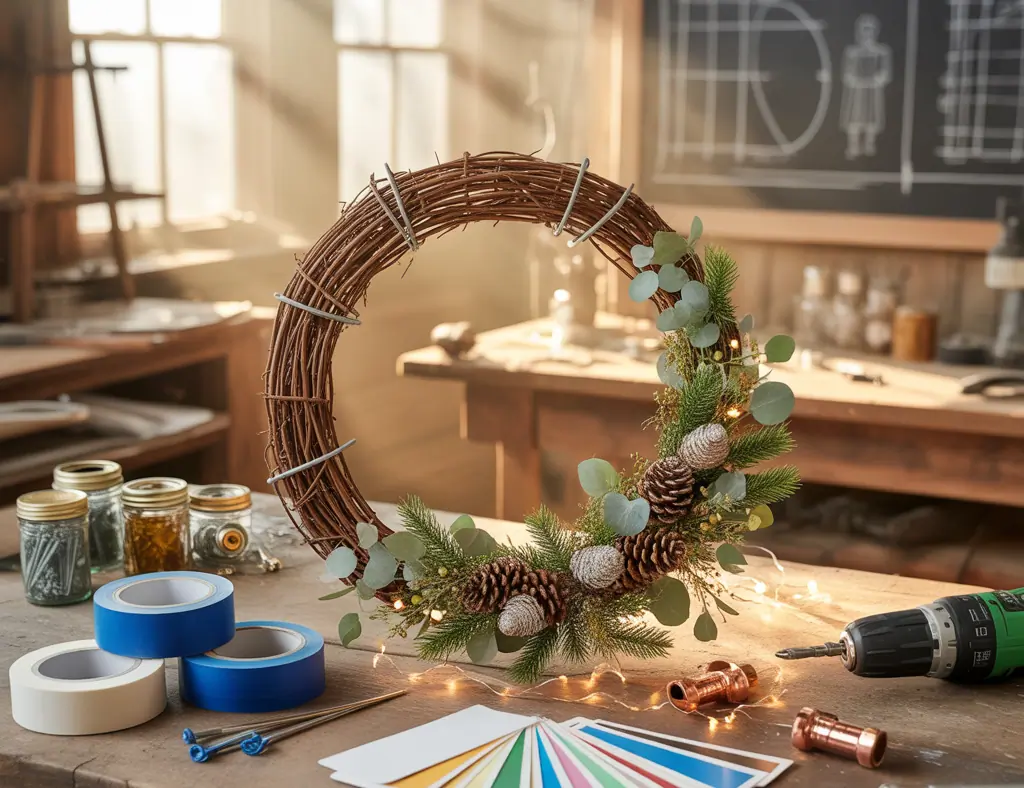
You glance at your plain front door and imagine a quick weekend upgrade that looks custom but costs almost nothing. Whether you’re craving a seasonal update, farmhouse charm, or a modern minimalist accent, a grapevine wreath is one of the easiest and most versatile ways to refresh your home. In this post I’ll share practical, real-world ideas, step-by-step tips, and creative inspiration so you can pick the perfect grapevine wreath project and actually finish it this weekend.
Top ideas grapevine wreath to try this weekend
Below are styles that fit most decor tastes and skill levels. Each idea includes a short materials list and quick tips so you can start right away.
1. Classic seasonal grapevine wreath (Spring or Summer)
Materials: grapevine wreath base, faux or fresh greenery, a cluster of silk flowers, floral wire, hot glue.
- Layer a base of greenery around the wreath and secure with floral wire.
- Glue or wire floral clusters to one side for a natural, asymmetric look.
- Tip: use lighter, pastel flowers for spring and bright blooms for summer.
2. Rustic farmhouse wreath with burlap bow
Materials: wreath base, grapevine tendrils, burlap ribbon, small wooden sign (optional).
- Wrap a thin burlap strip around a section and tie a big bow at the bottom.
- Add a small wooden “Welcome” tag or spray-paint initials to personalize.
3. Modern succulent grapevine wreath
Materials: faux succulents, moss, hot glue, wire snips.
Hot-glue clusters of succulents onto sections of the grapevine base for a low-maintenance, contemporary look that works well indoors or on a protected porch.
4. Autumn and Thanksgiving grapevine wreath
Materials: faux fall leaves, mini pumpkins or gourds, cinnamon sticks, floral wire.
Arrange autumn foliage in warm tones, tuck in small faux pumpkins, and secure a few cinnamon sticks for texture and scent.
5. Holiday wreath with lights
Materials: battery-operated micro LED lights, ornaments, ribbon.
Weave a string of battery-powered lights through the grapevine and add a few ornaments for sparkle — great for dark winter evenings.
6. Mini grapevine wreath napkin rings & centerpiece
Materials: mini grapevine rings, twine, small flowers or berries.
These tiny wreaths make charming napkin rings or bowl fillers combined into a centerpiece — an easy, repeatable craft if you need multiples for a table setting.
Materials, tools, and quick tips for success
- Wreath bases: Buy ready-made grapevine bases or collect natural vines and form your own — ready-made is faster but natural bases allow more character.
- Adhesives: Use a hot glue gun for most decor; floral wire is better for heavier items.
- Weatherproofing: Seal natural materials with a clear outdoor spray if the wreath will hang exposed to rain or UV.
- Budget tips: Thrift stores, craft swaps, and seasonal clearance sales are great sources for ribbons, ornaments, and faux florals.
- Safety: Wear gloves when handling wire and use eye protection when trimming grapevine or using a hot glue gun.
Step-by-step: how to make a basic grapevine wreath (beginner friendly)
- Gather your base, greenery, one focal accent (flower, sign, or bow), floral wire, and scissors.
- Decide on placement: choose a focal point (bottom, side, or top) for a balanced look.
- Position a layer of greenery and secure it with wire at 3 or 4 anchor points around the wreath.
- Add floral clusters or accents, wiring each piece securely. Cover the wires with twigs or more greenery if visible.
- Tie or hot-glue a bow. If using a bow, attach it with wire through the grapevine so it won’t blow off in wind.
- Finish by hiding any exposed wire and trimming stray stems. Hang and step back to evaluate scale and symmetry.
Design inspiration and real-world advice
Here’s how to choose a style that matches your home and how to avoid common mistakes.
Match your door and house style
Pick a wreath size proportional to your door — 24 inches for a standard door is a common choice; 30 inches or more works better on double doors. Choose color palettes that either complement your door or provide contrast: a navy door pairs beautifully with warm copper tones, while a white door can handle vivid, colorful blooms.
Durability and placement
If the wreath hangs outdoors, place it under a covered porch to reduce sun and rain exposure. Use a metal over-the-door hanger for weighty wreaths; for masonry use an adhesive hook rated for outdoor use.
Storage and reuse
To keep wreaths season after season, store them in a breathable garment bag or a wreath box. Remove delicate faux flowers before storing if possible to prevent crushing.
Frequently Asked Questions
Q: What’s the easiest grapevine wreath idea for beginners?
A: Start with a simple greenery wreath—attach a base of faux eucalyptus or boxwood with floral wire and add a single large bow. It’s quick, forgiving, and looks polished.
Q: Can I use fresh materials on a grapevine wreath?
A: Yes, but fresh greenery will dry and may shed. For temporary displays (a few days to a week), fresh materials look great. For long-term use choose faux materials or dried botanicals and seal natural components with a clear matte spray.
Q: How do I hang a heavy grapevine wreath without damaging my door?
A: Use an over-the-door metal hanger that distributes weight; for heavier decorative pieces, choose a hook anchored into the door frame or exterior trim. Adhesive hooks rated for the weight can work on smooth surfaces but test first.
Conclusion
If you’re looking for quick, affordable ways to refresh your entryway or add seasonal flair, these ideas grapevine wreath projects offer a mix of beginner-friendly and advanced options. Pick one design, gather a few basic supplies, and tackle it during a single afternoon—then enjoy the instant boost your door (or table) gets from a custom wreath. Ready to try one? Explore more DIY projects, or if you’re updating nearby spaces see our home design ideas and kitchen upgrades for inspiration.
Share your finished wreath photos or ask for feedback — I’d love to help you refine your next grapevine creation!
For more home decor inspiration, check out our Copper Backsplash Kitchen.