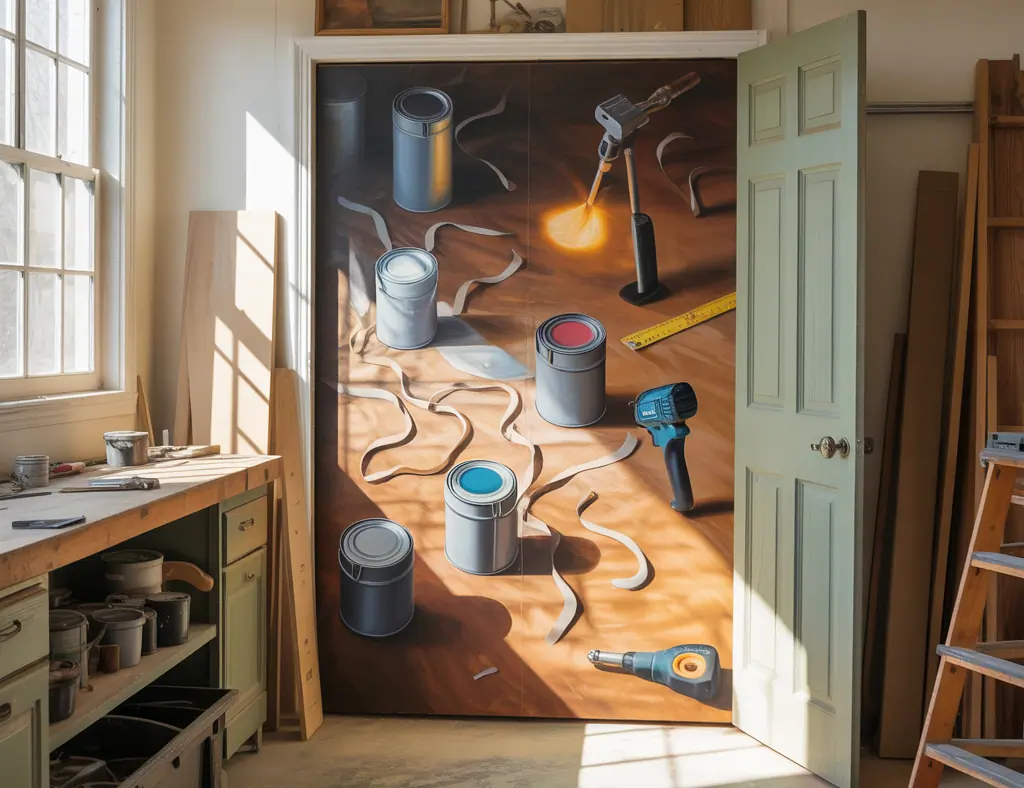
Picture this: you finally finish repainting your living room, step back with a cup of coffee, and realize the blank wall still looks… safe. You’ve done neutral paint, gallery-style frames, and the obligatory landscape print — nothing surprising. If you’re itching to add personality and a little delightful chaos, these ideas for weird paintings will help you break the mold and turn your walls into conversation starters.
Why choose weird paintings for your home?
Weird paintings—think quirky canvases, odd wall art, and experimental pieces—inject personality, spark conversation, and can become focal points that define a room. They’re especially useful when you want to update a space without major renovations. Plus, many unconventional art projects are perfect for DIYers who want a hands-on approach to home design.
Ideas for Weird Paintings: Quick projects to try
Below are accessible, creative concepts you can adapt to any skill level. Most use simple materials and a willingness to experiment.
1. Abstract Drip Maps
Use a world map stencil and pour or drip paints in nontraditional colors. The result is an abstract geography—perfect for a study or hallway.
2. Glow-in-the-Dark Accents
Paint geometric shapes with glow-in-the-dark paint over matte backgrounds for an eerie nighttime effect.
3. Collage-Cut Portraits
Combine magazine cutouts, fabric, and paint to create distorted faces—great for a modern living room.
4. Textured Monster Canvas
Build up texture using modeling paste, then paint a friendly monster. It’s tactile and playful—kids love it.
5. Optical Illusion Paintings
Use contrasting colors and perspective lines to make shapes appear to float off the wall.
6. Found-Object Assemblage
Incorporate small household items (keys, screws, toy parts) onto a painted board for a 3D weird art piece.
7. Upside-Down Landscapes
Paint a landscape upside-down and hang it normally. The brain does the rest—and it’s oddly calming.
8. Mirror-Reflective Abstracts
Glue mirror shards or reflective tape into an abstract pattern for a fragmented, high-energy look.
9. Negative Space Portraits
Paint the background in a bright color and leave the subject as negative space—minimal but unexpected.
10. Layered Transparencies
Use translucent paints to layer shapes and colors for a dreamy, ethereal effect.
11–25. Variations and Mashups
- Reverse stencil silhouettes
- Ink-blot Rorschach wall series
- Neon line drawings over matte black
- Text-overpainted cereal boxes framed as pop art
- Painted fabric drapes stretched on frames
- Interactive chalkboard/paint combo
- 3-panel sequential oddities (comic-strip style)
- Minimalist weird: single mismatched color block
- Faux-cracked surfaces with metallic underpainting
- Botanical specimens painted in surreal colors
- Mixed-media with resin overlays
- Sound-activated paint (paints that react to temperature/light)
- Photorealistic eyes peeking from abstract backgrounds
- Textured neon fur panels (using yarn and paint)
Materials and techniques for odd painting concepts
Most weird painting projects are about texture, unexpected materials, and bold color choices. Stock up on:
- Canvas boards in various sizes
- Acrylic paints, metallics, and glow-in-the-dark pigments
- Modeling paste, resin, and heavy gel mediums
- Found objects, fabric scraps, and adhesives
- Masking tape, stencils, and spray paints
Technique tips: work in layers, allow adequate drying time for textured pieces, and always test adhesives on scraps before applying to your final canvas.
Step-by-step: Create a weird accent canvas (beginner-friendly)
This is a practical project that blends texture and color for a strong focal piece.
- Choose a 16″x20″ canvas and prime it with gesso.
- Apply a base coat of matte paint in a bold color; let dry.
- Spread modeling paste in random swirls and ridges using a palette knife; let cure overnight.
- Dry-brush metallic paint over raised areas to highlight texture.
- Stencil an unexpected silhouette (animal, face, or abstract shape) in a contrasting color.
- Seal with a satin varnish. Optionally, add small glued objects for 3D interest.
Practical DIY tips: work with cheap canvases first, thin acrylics with a medium to increase transparency, and wear gloves when using resin or strong adhesives.
Placement and styling: where weird paintings work best
Strange art can be subtle or loud—place it strategically:
- Accent wall in living rooms or entryways to greet guests with personality.
- Above mantels or sofas as a single statement piece or in an irregular cluster.
- Home office or studio walls to stimulate creativity.
- Odd pieces in hallways give curious moments between rooms.
Balance is key: pair a quirky painting with simple furniture and neutral textiles so the art remains the focal point.
Real-world advice for DIY weird art
Start small, use test boards, and keep a sketchbook of odd concepts you like. If you’re nervous about permanence, create pieces on boards or panels that can be moved easily. For kitchens and high-traffic areas, seal paintings against humidity and grease—check out our kitchen upgrades page for ideas on using art in food spaces. If you want broader inspiration for integrating eccentric art across a home, explore our home design ideas and curated DIY projects collections.
Frequently Asked Questions
1. Are weird paintings expensive to make?
No—many quirky and unconventional paintings use inexpensive materials (acrylics, found objects, cardboard) and can be budget-friendly. Prioritize tools like a basic brush set and a medium or two, and save on frames by upcycling.
2. How do I hang a heavy mixed-media piece safely?
Use wall anchors rated for the weight, and consider furniture-safe hanging systems for very heavy works. For irregular pieces, distribute weight across two points and use French cleats for secure mounting.
3. Can weird paintings increase my home’s resale value?
Unusual art can enhance perceived personality, but tastes vary. If selling, consider making pieces removable or easy to replace; keep walls neutral and use weird paintings as staging accents. For permanent updates in spaces like a remodeled kitchen, review design harmony with your renovation—see our kitchen upgrades overview for ideas on combining art with remodeling.
Conclusion — try one of these ideas for weird paintings today
Weird paintings are a low-cost, high-impact way to personalize your home. Whether you try an abstract drip map, a textured monster, or a reflective mirror mosaic, the key is to experiment, embrace imperfections, and have fun. Pick one idea from this list, gather basic supplies, and commit an afternoon to creating something delightfully strange. Ready to get started? Grab a canvas, and share your project with other makers—or browse more inspiration on our home design ideas page to plan a whole room refresh.
Call to action: Try one weird painting this weekend and post a before-and-after photo of your wall—your next conversation piece is just a brushstroke away.