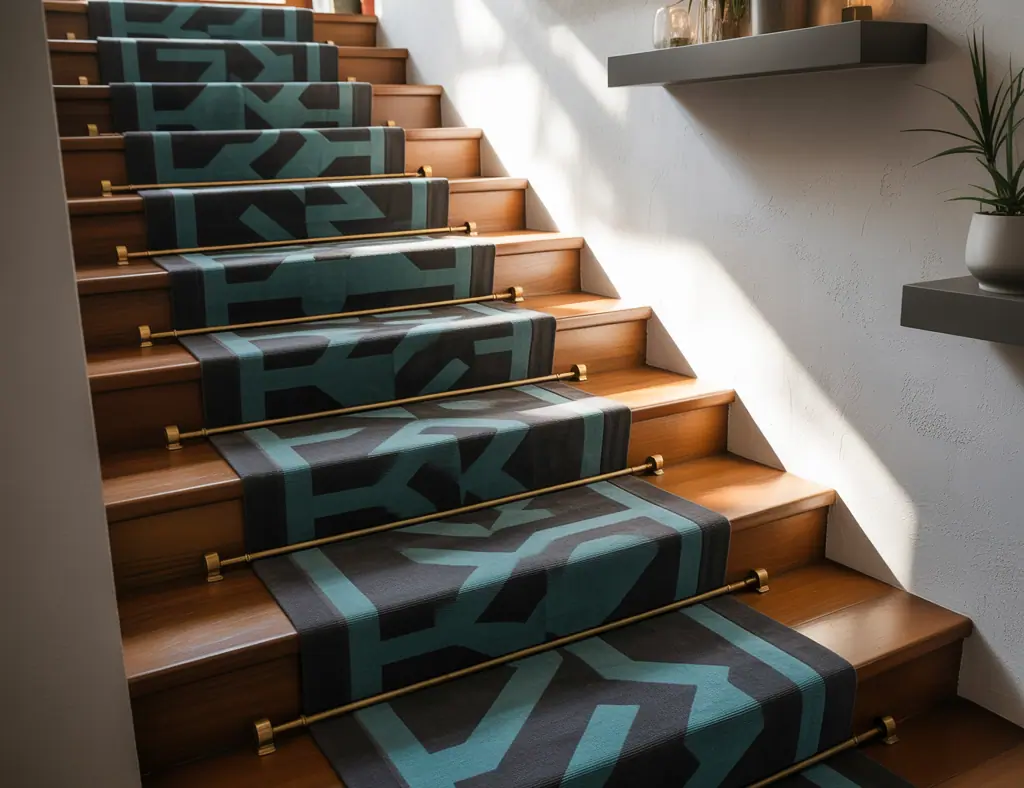
Ever stood at the bottom of a bare, scuffed staircase and imagined how a simple change could make the whole hallway sing? Maybe you’ve scrolled through inspiration photos wondering how to add character, safety, and warmth to your stairs without a full renovation. If you’re thinking about a runner carpet or DIY stair runner project, you’re in the right place—practical ideas for stair runners that are stylish, safe, and do-able on a weekend.
Why add a stair runner? The mix of style and function
Stair runners are one of the best ways to add texture, color, and noise reduction while protecting high-traffic surfaces. A well-chosen runner increases traction for kids and pets, softens footsteps, and gives you a design opportunity to echo patterns from rugs or nearby rooms. Below are creative, budget-friendly, and professional-level concepts to inspire your next stair update.
ideas for stair runners: styles, patterns, and placement
Here are design directions to consider, organized by aesthetic and practical need.
1. Classic stripe (timeless and elongating)
Vertical or center stripes visually lengthen a staircase. Choose a bold two-tone stripe for a modern farmhouse look or thin pinstripes for something preppy and traditional.
2. Natural fiber runners (sisal, jute, seagrass)
These materials add organic texture, perfect for coastal, Scandinavian, or eco-friendly interiors. They’re durable but rough—add a thin underlay or combine them with a soft runner on landings for comfort.
3. Patterned wool (warmth and longevity)
Oriental-inspired or geometric wool runners bring color and resilience. Wool is naturally stain-resistant and wears well on stairs, making it an investment piece that still reads classic.
4. Bold color pop (make a statement)
If your stairwell is neutral, a vibrant runner—think teal, mustard, or deep red—creates instant contrast and focal interest. Use narrow borders (2–4 inches) of painted or stained wood to frame the runner.
5. Painted runner illusion (DIY cost-saver)
Short on budget? Paint a faux runner with a stencil designed for “rug” patterns directly on your treads. Seal with clear polyurethane for durability. This is great for renters who want a temporary pop.
6. Stair runner with decorative rods (classic detail)
Brass, matte black, or brushed nickel stair rods add a formal finishing touch and keep runner edges neat. They work especially well with traditional or Victorian staircases.
7. Mixed materials (runner + painted risers)
Combine a plain runner with painted risers—use tile motifs, stripes, or script to add character without overwhelming the pattern.
Choosing the right materials and measurements
Before buying, measure carefully. Typical recommendations:
- Runner width: leave 2–4 inches of exposed stair on each side for a bordered look. For narrow staircases, a 20–24 inch runner may be right; for wider stairs, 30–36 inches is common.
- Padding: choose a low-profile stair pad (3/16″ to 1/4″) to preserve step height and reduce tripping hazards.
- Pile: low-pile and flat-weave runners perform better on stairs than shag styles because they’re less likely to shift or bunch.
- Material: wool for longevity, synthetic blends for stain resistance, natural fibers for texture, and indoor/outdoor materials for high-traffic durability.
How to install a stair runner (DIY step-by-step)
This is a simplified guide for center-mounted runners on straight stairs. If you have curved staircases or landings, consult a professional or follow a specialized tutorial.
Tools and materials
- Runner carpet
- Low-profile stair padding
- Carpet tape or tack strips
- Staple gun with 1/2″ staples
- Carpet knife, tape measure, chalk line
- Optional: stair rods, trim, adhesive
Installation steps
- Measure each tread and riser. Add 1–2 inches to the width for edge tucking.
- Cut padding to width. Secure padding to each tread with double-sided carpet tape or staples, leaving a small gap to avoid bulk at the edges.
- Position the runner centrally. Use a chalk line or measure equal distances from each side to keep it straight.
- Secure the runner at the top of the staircase with a tack strip or staples. Pull it taut (but not overstretched) as you work down each step.
- Tuck edges into the corner between tread and riser using a stair tool or putty knife; staple into the riser underside where needed.
- Finish with stair rods or wood trim at the base and top if desired.
- Trim excess at the last step and secure firmly to avoid fraying.
Tip: Work with a partner for longer runners, and test-fit before permanent fastening.
Practical maintenance and safety tips
- Vacuum runners regularly with a brushless attachment and clean spills quickly to avoid stains.
- Use non-slip pads and ensure padding thickness doesn’t create a trip hazard.
- Inspect staples and grippers annually; loose areas are a fall risk—repair immediately.
- Rotate or replace runners every 5–10 years depending on wear; consider washable runners for extra practicality.
Budget-friendly and quick projects
If you want a weekend refresh, try these quick ideas:
- Paint a runner stencil for a faux-rug effect (seal with polyurethane).
- Install a thin runner pad + a simple patterned runner from a discount retailer.
- Add stair rods or small brass brackets for instant sophistication without replacing the whole runner.
Design inspiration for different homes
Modern condos
Choose slim, monochrome runners in charcoal or navy to match minimal décor.
Family homes
Durable, stain-resistant wool blends with a low profile and a 50/50 color tone hide dirt well and manage heavy foot traffic.
Historic properties
Patterned, narrow runners with ornate rods complement period banisters and wood stains.
Looking for more projects? Check our DIY projects and explore complementary updates in the kitchen or hallway—ideas often translate across spaces, like repeating color palettes or material choices from our kitchen upgrades and home design ideas pages.
Frequently Asked Questions
1. How wide should a stair runner be?
Leave 2–4 inches of exposed stair on each side for a framed look. For narrow stairs, 20–24 inches is typical; for wider stairs, 30–36 inches is common. Measure before you buy to ensure proper fit and appearance.
2. Can I install a stair runner myself?
Yes—straight staircases are a common DIY. With the right tools (tack strips, staples, padding) and careful measuring, many homeowners can install a runner in a weekend. Curved stairs and complex landings are best handled by pros.
3. What’s the best material for pets and kids?
Wool blends and low-pile synthetics are durable and easier to clean. Look for stain-resistant finishes and tight weaves. Consider a darker pattern to disguise wear and choose a secure underlay to prevent slips.
Conclusion: Start your stair refresh today
Ideas for stair runners range from simple painted stencils to luxurious wool installations—there’s a solution for every budget and style. Pick a direction that complements your home, measure carefully, and try a DIY install if you’re comfortable. Ready to transform your staircase? Browse our DIY projects section for step-by-step guides, get inspired by our home design ideas, and start planning your stair runner update today.