Have you ever stood in your backyard after a long day and wished for a quiet corner where you could breathe, meditate, or simply sip tea in silence? If your weekend project list is overflowing and you’ve been asking, “How can I make my outdoor space feel calmer?”—this guide is for you. Creating a peace garden is one of the most satisfying home improvement projects you can do: it’s budget-friendly, highly customizable, and perfect for DIYers of all skill levels.
Why a Peace Garden Matters
More than just a pretty patch of plants, a peace garden is a purpose-built sanctuary designed to reduce stress, invite mindfulness, and create a sensory experience. Whether you live in a small city patio or a sprawling backyard, the right peaceful garden design can improve mental well-being and add value to your home.
Quick Tips Before You Start
- Choose a quiet corner away from traffic noise if possible.
- Prioritize low-maintenance plants and sustainable materials.
- Think in layers: groundcover, mid-height plants, and taller backdrop plants or screens.
- Incorporate seating, sound, scent, and symbolic elements for a complete sensory retreat.
Peace Garden Ideas for Small and Large Spaces
Below are practical, step-by-step ideas to build a tranquil garden—tailored for any yard size.
1. Mini Zen Garden for Patios (Small Space Peace Garden Ideas)
Perfect for balconies or small patios.
- Materials: shallow wooden tray, play sand, smooth pebbles, miniature rake, tiny succulents.
- Step-by-step: Fill the tray with sand, anchor pebbles in a calming pattern, plant a few succulents, and use the rake to create circular patterns before each visit.
- Tip: Place near a window or porch light for evening meditation.
2. Meditation Circle with a Central Fountain
Create a focal point with gentle water sounds.
- Choose a circular area (6–10 feet across depending on space).
- Install a small solar-powered fountain or DIY fountain using a preformed basin and pump.
- Surround with soft grasses and a low bench or cushions.
- Tip: Use river stones to create a dry creek bed leading to the fountain.
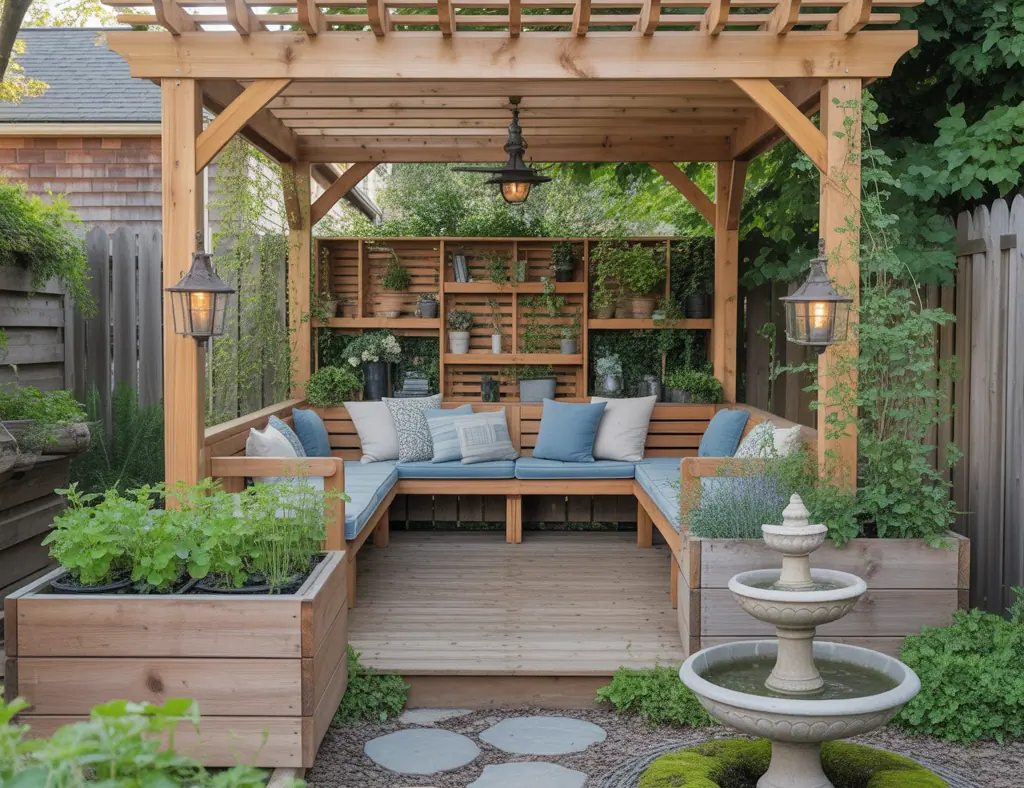
3. Reclaimed-Wood Bench and Privacy Screen
DIY seating and privacy using reclaimed materials add warmth and character.
- Materials: reclaimed pallet boards, weatherproof screws, wood sealer, tall lattice or bamboo panels.
- Build a simple bench (two side supports, seat slats), seal it, and position it against a privacy screen for solitude.
4. Aromatic Planting Beds (Scented Peace Garden Ideas)
Use scent to trigger relaxation.
- Plants: lavender, rosemary, jasmine, lemon balm, and scented geraniums.
- Design: group fragrant plants near seating and pathways so scent is released when brushed.
5. Contemplative Pebble Pathway
Create a simple walking meditation path using mixed pebbles and stepping stones.
- Lay landscape fabric, then add compacted sand or gravel base.
- Set stepping stones with level gaps to encourage slow walking.
- Edge with low plants like thyme or moss for texture and fragrance.
Design Inspiration: Themes and Symbolism
Pick a theme that resonates with you so the garden feels intentional:
- Zen/Minimalist: raked gravel, bamboo, moss, stone lanterns.
- English Cottage: soft colors, winding paths, an old bench with climbing roses.
- Native Plant Sanctuary: low-water, pollinator-friendly species for a peaceful, eco-conscious space.
- Japanese-Inspired: asymmetry, water, stone arrangements, and evergreen structure.
Practical DIY Tips and Real-World Advice
Plan Before You Plant
Sketch your space on paper or use a free garden planner app. Note sun exposure, drainage, and existing trees. This prevents costly mistakes and ensures plant choices thrive.
Budget-Friendly Sourcing
Use cuttings, swap plants with neighbors, or repurpose household items for planters. Check local salvage yards for stones or wood. Small investments in focal elements (like a fountain) go a long way visually.
Low-Maintenance Plant Picks
Choose drought-tolerant and pest-resistant plants: sedums, ornamental grasses, hellebores, and evergreen shrubs. Mulch heavily to reduce watering and weeds.
Lighting for Evening Calm
Install solar path lights or string lights to create ambiance without wiring. Focus light on paths and seating to make the garden inviting after dusk.
Step-by-Step Sample Project: Build a Pocket Peace Garden in a Weekend
- Day 1: Clear area (6’ x 6’), lay landscape fabric, and mark the seating/focal zones.
- Day 2: Install gravel or decomposed granite base, place a bench, and arrange a focal element (potted fountain or lantern).
- Day 3: Plant three layers—groundcover (thyme), mid-height (lavender), backdrop (dwarf evergreen). Add mulch and solar lights.
- Maintenance: Water thoroughly for the first month, then drop to routine watering. Prune lightly in spring.
Maintenance and Seasonal Care
- Spring: Refresh mulch, divide crowded perennials, inspect irrigation.
- Summer: Deadhead flowers, ensure proper watering; adjust shading fabric for hot-sun gardens.
- Fall: Cut back perennials after first frost, protect tender plants, clean fountain and winterize pump.
Ideas for Peace Gardens — Placement and Final Touches
Consider placing your peace garden near a kitchen exit for easy access, or beside a reading nook to extend your indoor sanctuary outdoors. Add personal touches—wind chimes, a sculpture, or a collection of favorite stones—to make the space uniquely yours.
Frequently Asked Questions
How big does a peace garden need to be?
Even a 3-foot corner or balcony container garden can become a peace garden. The key is design intent: choose a focal point, seating, and sensory plants. Small spaces benefit from vertical elements and layered containers.
What plants work best in a peaceful garden?
Choose calming, low-maintenance plants like lavender, rosemary, ornamental grasses, hostas, and evergreen shrubs. Include seasonal blooms and scented herbs for variety and fragrance.
Can I create a peace garden on a tight budget?
Absolutely. Use recycled materials, start plants from cuttings, and focus on low-cost focal elements like a DIY pebble path or a simple solar fountain. Prioritize one or two high-impact features rather than trying to do everything at once.
Conclusion — Start Your Peace Garden Today
Ideas for peace gardens are wonderfully flexible: from tiny zen trays to expansive meditation circles, there’s a project that fits your skill level and space. Pick one simple idea from this list, gather basic materials, and spend a weekend transforming a neglected corner into a calming retreat. For more hands-on inspiration, check out our DIY projects and browse related home design ideas to help integrate your new garden with the rest of your outdoor living space.
Ready to create your own peaceful haven? Start small, keep it personal, and share your progress—your best garden stories often begin with a single seed or a simple bench.