Have you ever found yourself staring at that steep patch of backyard that becomes a mudslide after every heavy rain, or a nuisance to mow every weekend? If so, you’re not alone. Transforming an awkward hillside into a beautiful, usable landscape is one of the most satisfying home improvement projects you can tackle. In this guide you’ll find practical, creative ideas for gardening on slopes that combine erosion control, low maintenance design, and real DIY steps to get the job done.
Why a sloped yard is an opportunity, not a problem
Steep yards often get written off as unusable, but they offer unique design advantages: natural drainage, elevated views, and the chance to create dramatic terraced beds, rock gardens, and cascading plantings. With the right strategy—terracing, retaining walls, or groundcover planting—you can stabilize the slope, reduce erosion, and create a functional garden space for flowers, shrubs, or even vegetables.
Ideas for gardening on slopes
Below are targeted techniques and planting concepts you can mix and match depending on your slope steepness, budget, and style preferences.
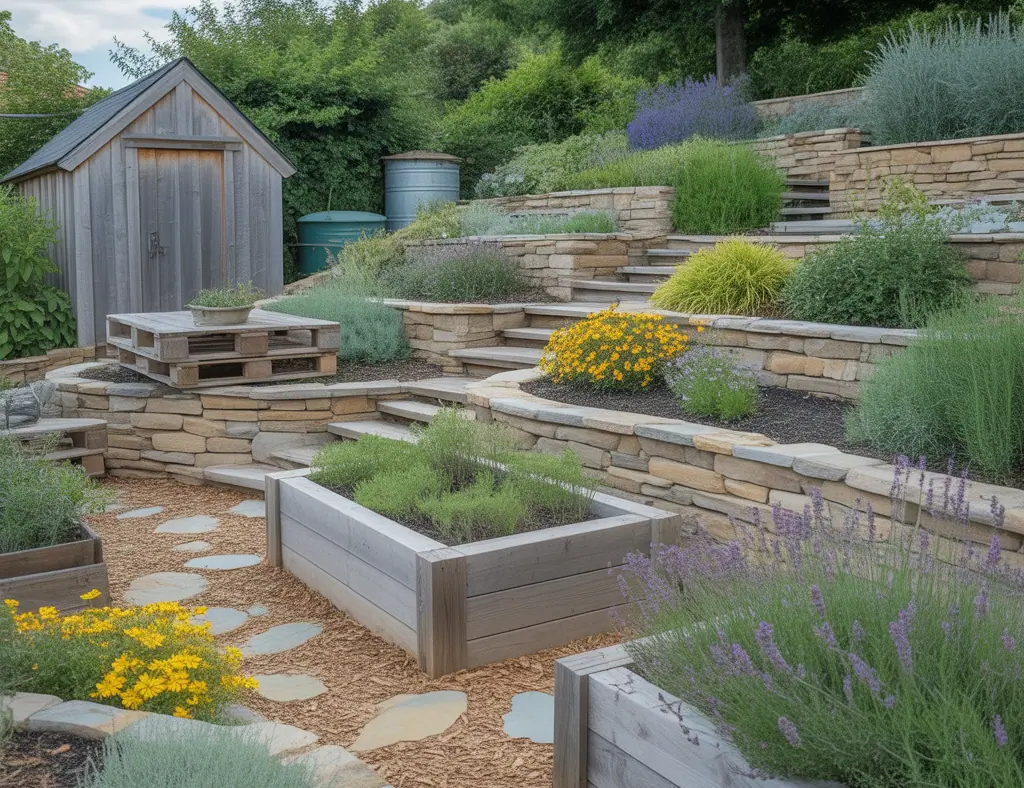
1. Build terraces and layered beds
Terracing converts a steep incline into a series of level planting areas. It’s one of the most effective erosion-control methods and visually appealing when done well.
- Materials: timber sleepers, dry-stacked stone, concrete blocks, or gabion baskets.
- Design tip: keep terraces no deeper than 3–4 feet for easier DIY installation and maintenance.
- Planting ideas: combine shrubs at the back with perennials and cascading groundcover at the front for soft, flowing lines.
2. Install retaining walls with integrated planters
Retaining walls hold soil in place and create architectural interest. Add built-in planters or steps between wall tiers for a multi-functional landscape.
- DIY friendly options: interlocking concrete blocks that don’t require mortar.
- Pro tips: ensure good drainage behind the wall (gravel backfill and drain pipe) to prevent pressure buildup.
3. Use groundcovers and erosion-control plants
For gentle slopes or budget-conscious projects, plant fast-spreading groundcovers to stabilize soil and reduce maintenance.
- Good choices: creeping thyme, sedum, vinca, ajuga, and native grasses.
- Long-tail keyword note: “best plants for sloped yards” are drought-tolerant, low-growing, and root-strong.
4. Create a rock garden or dry creek bed
Rock features add texture and help direct runoff. A dry creek bed lined with river rock channels water safely while looking natural.
- Step-by-step: dig a shallow channel, add landscape fabric, layer river rock, and plant moisture-loving natives along the edges.
- Design idea: alternate boulders with small plant pockets for contrast and reduced erosion.
5. Design an edible hillside — terraced veggie beds and orchards
Slopes can be ideal for fruit trees and mediterranean herbs that prefer fast-draining soil. Terraced vegetable beds make harvesting easier and prevent nutrient washout.
- Planting tip: orient terraces to maximize sun exposure for edible crops.
- Maintenance: use mulch and drip irrigation to conserve water and reduce erosion.
Step-by-step: Building a simple DIY terrace
Want a quick, achievable slope project? Here’s a basic method to create a single terrace using timber sleepers or landscape timbers.
- Mark the terrace line with stakes and string at the desired elevation.
- Dig a level trench for the base of the first timber (approx. 3–6 inches deep).
- Place the timber and check for level; backfill behind the timber with crushed gravel for drainage.
- Stack a second course if needed, anchoring with rebar or timber spikes.
- Fill the finished bed with quality topsoil and compost, then plant.
Practical DIY tips and cost-saving ideas
- Start small: transform one section of the slope before committing to a full overhaul.
- Choose materials wisely: reclaimed stone or railway sleepers can reduce costs and add character.
- Stabilize first: prioritize drainage and erosion control—plants will thrive once the slope is stable.
- Work with gravity: step paths and switchback walkways make steep yards accessible and help slow water flow.
- Safety: on very steep slopes, consult a structural engineer or landscape pro—retaining walls over a certain height often require permits and engineering.
Design inspiration: styles that work well on slopes
Think about the mood you want:
- Cottage hillside: layered perennials, climbing roses, and rustic stone steps.
- Mediterranean slope: lavender, rosemary, olive trees, and warm-toned gravel.
- Modern minimalist: clean concrete or block terraces with clipped ornamental grasses.
- Native meadow: low-maintenance wildflowers and grasses that support local pollinators.
Maintenance and long-term care
After installation, focus on these tasks for long-term success:
- Mulch regularly to retain moisture and prevent weed colonization.
- Inspect drainage after storms and clear debris from swales or rock channels.
- Replace plants that fail quickly with hardier varieties suited to your microclimate.
Frequently Asked Questions
1. What are the best plants for a sloped garden?
Choose deep-rooted, spreading groundcovers and native grasses to stabilize soil. Good options include creeping thyme, sedum, vinca, ornamental grasses, and native wildflowers. For shrubs, consider juniper, lavender, and other drought-tolerant species depending on your climate.
2. How do I stop erosion on a steep slope?
Combine physical barriers (terraces, retaining walls, erosion-control blankets) with vegetation. Install proper drainage (drain pipes, gravel backfill, swales) to redirect runoff, and plant groundcovers quickly to hold soil in place.
3. Can I build terraces myself, or should I hire a pro?
For low terraces (under about 3–4 feet) many DIYers can build them safely using interlocking blocks or timber sleepers. For higher walls or very steep slopes, hire a licensed contractor or engineer to ensure structural stability and code compliance.
Conclusion — start transforming your slope today
Don’t let a sloped yard go to waste. With thoughtful planning and a few DIY techniques—terracing, retaining walls, smart plant choices, and proper drainage—you can stabilize erosion-prone areas and create attractive, usable outdoor spaces. Whether you’re after a cottage hillside, edible terraces, or a minimalist rockscape, these ideas for gardening on slopes will help you take the first step. Ready to get started? Try a small terrace or a groundcover planting this weekend, and explore more DIY projects and home design ideas to expand your transformation.