Ever stare at a dead corner of your patio or the blank joint between two fences and think, “That space could be doing so much more”? Whether you’re battling bare walls, cramped balconies, or a garden that needs an instant focal point, a corner trellis is one of the smartest, most stylish solutions. In this article I’ll share practical, eye-catching ideas for corner trellis installations — from budget DIY builds to polished design ideas that lift a whole outdoor room.
Why choose a corner trellis?
Corner trellises make the most of underused angles. They create vertical interest, give vining plants support, and can carve out a cozy micro-garden without taking up precious floor space. Use them to hide ugly structures, frame a seating nook, or create a living privacy screen. For small-space gardening and vertical landscaping, a corner trellis is both functional and beautiful.
Design ideas for corner trellis (inspiration to try)
1. Classic wooden lattice corner trellis
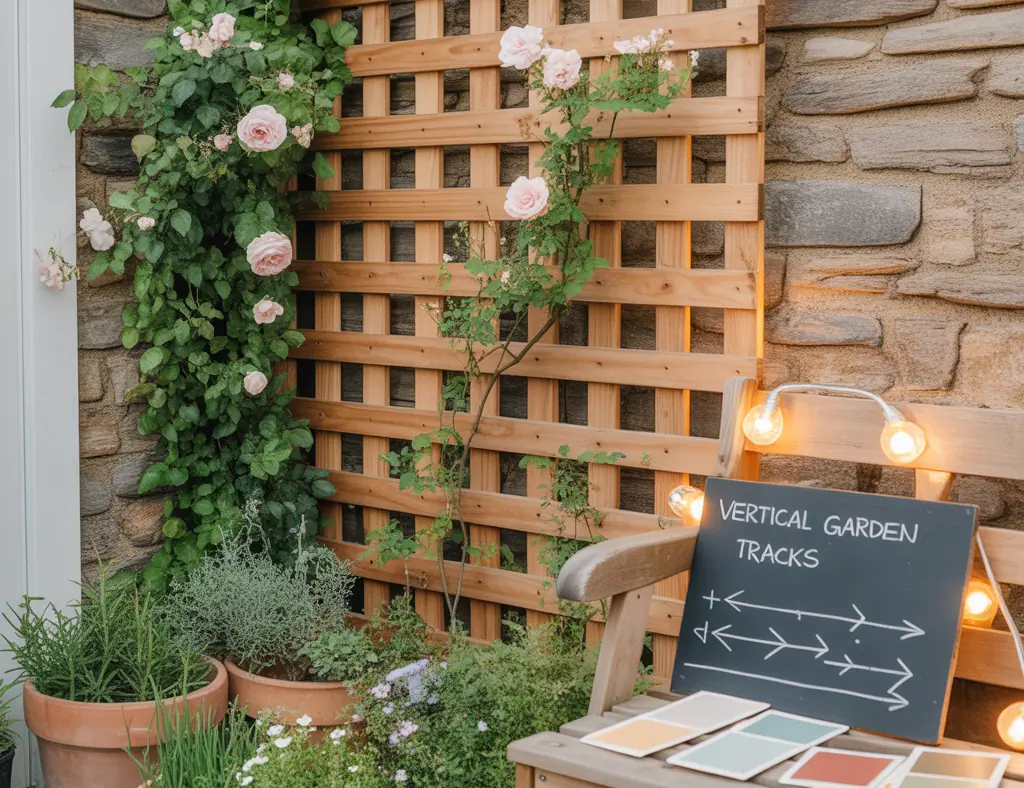
Think 45-degree split panels that meet at the corner. A cedar or redwood lattice adds warmth and ages gracefully. This style is perfect for roses, clematis, or jasmine. Paint or stain to match your siding or fence.
2. Modern metal and wire corner trellis
Use steel or powder-coated metal panels for a minimalist, durable look. Steel mesh or horizontal cable trellises work well with modern homes and support heavier vines like grape or kiwi.
3. Floating shelf + trellis hybrid
Combine narrow shelves with a vertical lattice above them. This is ideal for potted trailing plants, herbs, or succulents and works great in covered patios and sunny corners of a kitchen garden.
4. Corner arbor or pergola trellis
Build a small arched arbor that fits snugly into the corner for an entrance effect. It’s more of a focal piece and supports climbing roses or wisteria for dramatic seasonal blooms.
5. Indoor corner trellis for houseplants
Use lightweight bamboo poles or a wooden A-frame in interior corners to train pothos, philodendron, or a monstera. This brings vertical greenery into tight indoor spaces with minimal installation.
DIY step-by-step: Build a simple wooden corner trellis
This budget-friendly option is sturdy, attractive, and adaptable to most corners.
Materials and tools
- 2 cedar or pressure-treated 1×4 boards (6–8 ft long)
- 1×2 slats for lattice or prefabricated lattice panel
- Exterior wood screws, wood glue
- Post anchors or heavy-duty corner brackets
- Drill, circular saw, measuring tape, level
- Exterior paint or stain and sealant
Steps
- Measure the corner height and depth. Decide whether the trellis will be freestanding or attached to walls.
- Cut the 1x4s to length to form the two vertical posts that meet in the corner at a 90° angle. A diagonal cut at the meeting point helps the pieces sit flush.
- Attach horizontal slats or lattice panels to the posts with exterior screws, spacing slats 3–4 inches apart for vines to weave through.
- Secure the base with post anchors bolted to the patio or with concrete footings if installing on soil.
- Sand, paint or stain, and apply an outdoor sealant. Allow full cure before planting near the base.
- Plant foundation vines 6–12 inches from the base and train the first shoots onto the trellis using soft plant ties.
Tip: If mounting to a house wall, locate studs and use lag bolts for solid attachment. For a rental-friendly fix, choose a freestanding or pot-mounted trellis.
Plant pairings and maintenance for corner trellises
Choosing the right plants makes or breaks your trellis. Consider light, climate, and maintenance level.
- Sunny corners: Climbing roses, clematis, jasmine, honeysuckle, grapevines.
- Partial shade: Climbing hydrangea, ivy, sweet pea, shade-tolerant clematis.
- Indoor or balcony trellis: Pothos, philodendron, string of hearts, climbing figs.
Maintenance tips:
- Train vines early with soft ties and redirect new growth every few weeks.
- Prune annually to control size and promote flowering.
- Inspect and tighten fastenings, and reseal wood every 1–3 years to prevent rot.
- Use container trellises on balconies to avoid permanent mounting and make winterizing easier.
Placement, scale, and practical considerations
Before building, ask a few practical questions: Is the corner exposed to harsh winds? Will the trellis block light to nearby windows? How much weight will the plants add at maturity?
Scale the trellis to the space — a low, wide trellis suits a low wall, while tall, narrow trellises suit narrow corners. For privacy screens, consider layered planting: a trellis-backed vine with a row of evergreen pots in front for year-round coverage.
Creative uses beyond climbing plants
- Vertical herb garden: Attach small pots and make your corner trellis a culinary station.
- Decorative lighting: Weave string lights or mount solar lanterns to create an evening focal point.
- Art display: Use as a backdrop for outdoor art, mirrors, or a rotating gallery of seasonal decor.
Frequently Asked Questions
1. What materials are best for a corner trellis?
Cedar, redwood, and pressure-treated lumber resist rot and insects outdoors. Powder-coated steel or aluminum is best for a modern, low-maintenance option. Indoors, bamboo and lightweight wood work well.
2. Can I attach a trellis to a rental balcony or apartment corner?
Yes—use freestanding trellis designs or pot-mounted trellises to avoid drilling into walls. Tension-mounted poles or leaning A-frame trellises are also renter-friendly.
3. How do I train vines on a corner trellis so they fill evenly?
Start training from the base upward and angle outward from the corner on both sides. Tie new growth loosely every few inches and occasionally weave stems through the lattice. Regular pruning encourages outward branching and fuller coverage.
Conclusion: Bring those corner trellis ideas to life
From a simple DIY wooden lattice to a sleek metal cable system, ideas for corner trellis are as varied as the spaces you’re trying to improve. Pick a style that fits your home’s architecture, plan for plant type and maintenance, and don’t be afraid to experiment with mixed materials or functional add-ons like shelves and lighting. Ready to start? Grab a tape measure, sketch your corner, and try a small build this weekend — then share your transformation and keep exploring more DIY projects, kitchen upgrades, and home design ideas to round out your space.