Staring at a blank wall and wondering where to start? You’re not alone — many homeowners face the same “what do I do with this empty wall?” moment after moving in, redecorating, or simply wanting a refresh. Whether it’s the large wall behind your sofa, an awkward hallway, or a kitchen wall that needs personality, these ideas for blank walls will help you move from overwhelm to action with practical DIY tips and design inspiration.
Why an Empty Wall Is an Opportunity — Not a Problem
An empty wall is one of the easiest ways to change the feel of a room without a full remodel. It can add texture, storage, color, and visual interest. Before picking a style, consider the function of the room, the wall’s size and sightlines, and whether you rent or own. That info will guide choices like a removable wallpaper, built-in shelving, or a permanent wood accent.
Ideas for Blank Walls: 10 Creative Treatments
Below are practical, step-by-step ideas, each with materials, time, difficulty level, and pro tips so you can choose the right fit for your home.
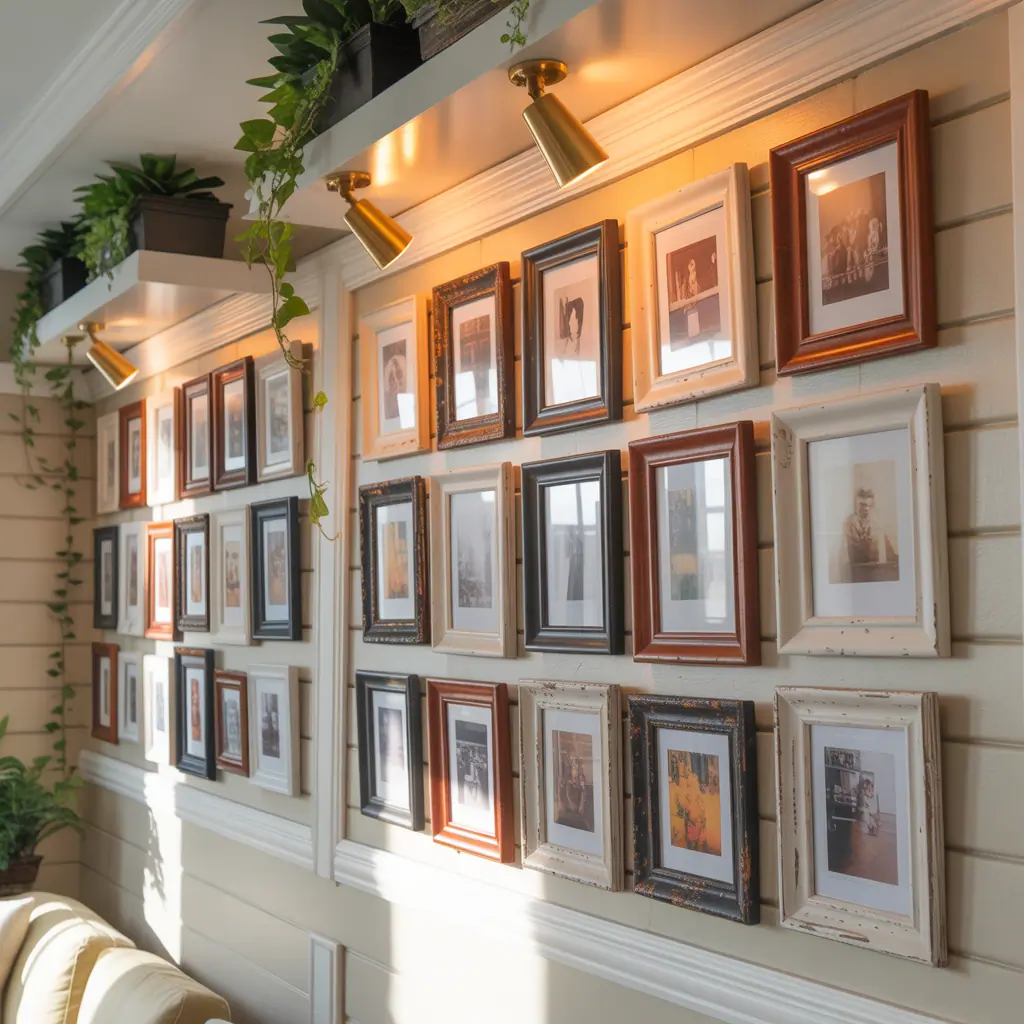
1. Gallery Wall — Personal Art Story
Turn an empty wall into a curated gallery of photos, prints, and objects.
- Materials: frames (mix sizes), picture hooks, craft paper, level, pencil.
- Time: 2–6 hours depending on layout.
- Difficulty: Easy to Moderate.
Step-by-step:
- Lay frames on the floor to experiment with arrangements.
- Trace each frame on craft paper and tape paper pieces on the wall to preview spacing.
- Start with the largest piece at eye level and build around it for balance.
- Use a level and proper anchors for heavier frames.
Long-tail keyword tip: create a gallery wall layout for a blank wall above the sofa or fireplace.
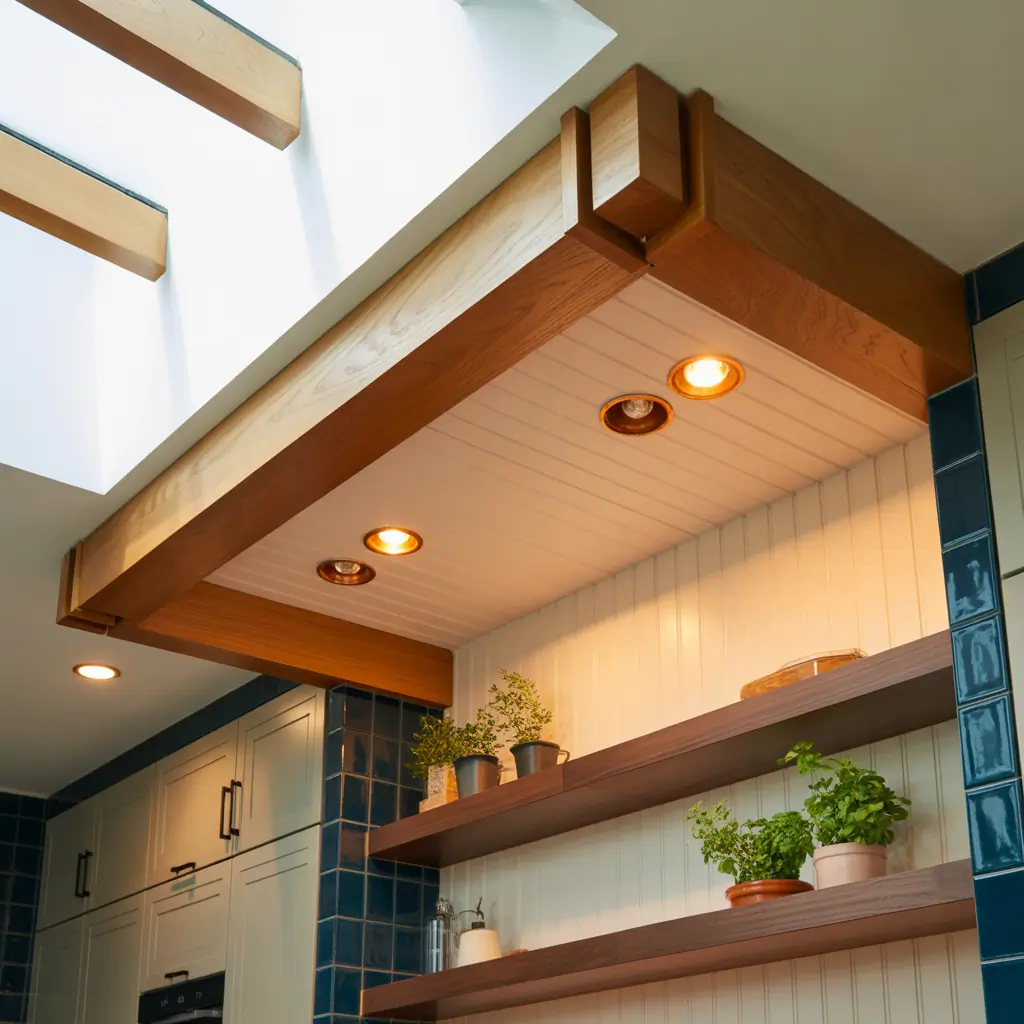
2. Floating Shelves — Decor + Storage
Install floating shelves for books, plants, and rotating decor.
- Materials: floating shelf kit or wood planks, stud finder, screws, drill.
- Time: 1–3 hours.
- Difficulty: Moderate (requires drilling).
Pro tip: Stagger shelf heights and mix objects (books horizontal/vertical, small framed art, greenery) to avoid cluttered looks.
3. Accent Wall with Paint or Geometric Design
Paint is a budget-friendly way to create a statement wall.
- Materials: paint, painter’s tape, primer (if needed), brushes, rollers.
- Time: 4–8 hours (including drying time).
- Difficulty: Easy to Moderate.
Step-by-step for geometric patterns:
- Choose two complementary colors.
- Use a level and pencil to map shapes, then tape edges with painter’s tape.
- Apply paint, remove tape carefully once dry for crisp lines.
4. Peel-and-Stick Wallpaper or Murals
Great for renters or anyone who wants temporary impact. Modern removable wallpapers come in many textures and patterns.
- Materials: peel-and-stick wallpaper, smoothing tool, utility knife.
- Time: 2–6 hours.
- Difficulty: Easy.
Tip: Match pattern seams carefully and clean the wall surface before application for best adhesion.
5. Vertical Garden or Living Wall
Bring greenery indoors with wall-mounted planters or modular living walls.
- Materials: wall planters, moss panels, hooks, small plants (succulents work well).
- Time: 1–4 hours.
- Difficulty: Moderate (consider watering/maintenance).
Practical advice: Use plants suited to the light in the room, and consider drip trays or faux greenery if maintenance is a concern.
6. Reclaimed Wood or Shiplap Accent
Add warmth and texture with a reclaimed wood feature or painted shiplap.
- Materials: reclaimed boards or shiplap panels, nails/screws, level.
- Time: 4–12 hours depending on wall size.
- Difficulty: Moderate to Advanced.
Pro tip: For a budget-friendly option, use plywood planks painted for a shiplap effect.
7. Decorative Molding or Board-and-Batten
Molding, wainscoting, or board-and-batten instantly elevates a room with architectural interest.
- Materials: MDF trim or pine boards, adhesive, nails, caulk, paint.
- Time: 4–10 hours.
- Difficulty: Moderate.
Step-by-step: Measure and plan molds, cut to fit, adhere and nail into studs, fill seams, caulk and paint.
8. Mirror Wall to Amplify Light
Strategically placed mirrors make small rooms feel larger and brighter.
- Materials: mirrors (various shapes), heavy-duty wall anchors.
- Time: 1–2 hours.
- Difficulty: Easy.
Designer tip: Group small mirrors to create an artful reflection rather than a single large mirror for interest.
9. Textile Hangings and Macramé
Introduce softness and pattern with woven wall hangings, tapestries, or DIY macramé.
- Materials: tapestry or macramé cord and dowel.
- Time: 1–4 hours.
- Difficulty: Easy.
This is an excellent choice for renters or for adding a cozy, boho vibe to a blank wall.
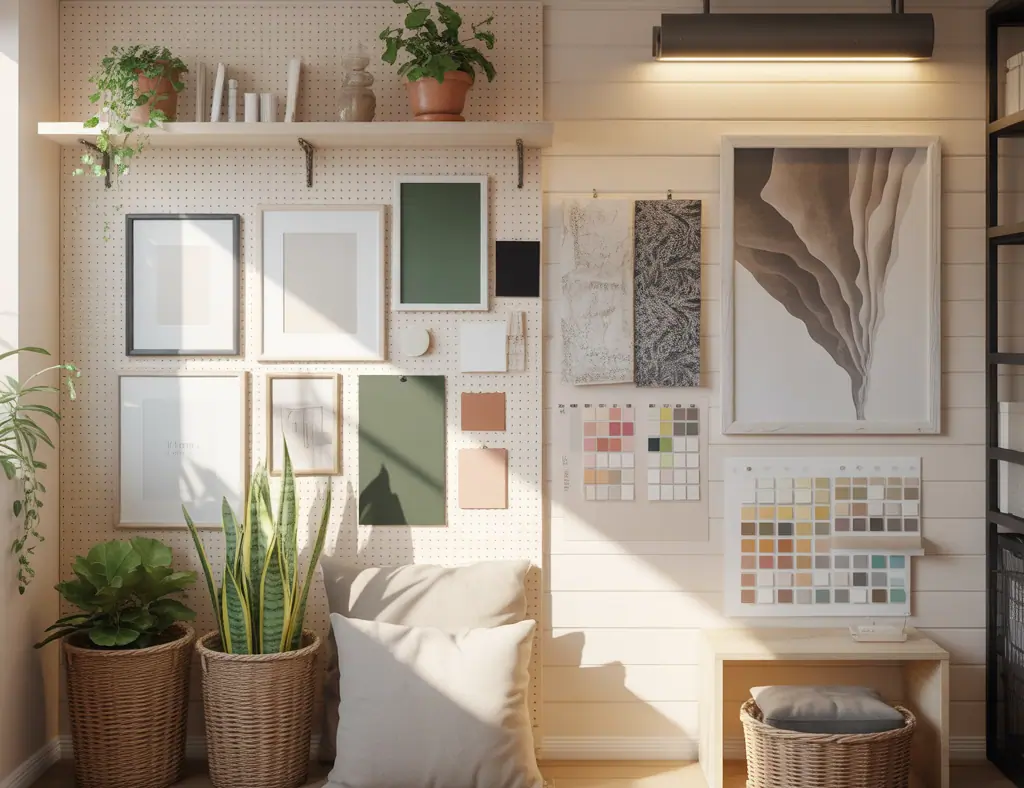
10. Functional Pegboard or Magnetic Wall
Perfect for kitchens, craft rooms, or home offices — turn a blank wall into an organizational hub.
- Materials: pegboard or magnetic sheet, hooks, containers, paint (optional).
- Time: 1–3 hours.
- Difficulty: Easy to Moderate.
Real-world tip: Use pegboards for frequently used items to keep counters clear and tools at eye level.
How to Choose the Best Idea for Your Space
Use this decision checklist:
- Function: Do you need storage, display, or focal interest?
- Scale: Measure wall height and width before buying materials.
- Budget and timeline: Paint is cheaper and faster; built-ins cost more but add value.
- Flexibility: Renters should favor removable or reversible solutions like peel-and-stick wallpaper and tape-mounted art.
Practical DIY Tips to Avoid Common Mistakes
- Always measure twice, hang once — use templates before drilling into walls.
- Balance scale and color: Large walls can handle bolder choices; small walls benefit from light colors and mirrors.
- Group items in odd numbers (3, 5) for a more natural look.
- Use proper anchors for heavy items — drywall anchors vs. stud-mounted screws matter.
Frequently Asked Questions
Q: What are easy, renter-friendly ideas for blank walls?
A: Opt for peel-and-stick wallpaper, removable decals, gallery walls with command strips, fabric tapestries, or lightweight floating shelves using non-damaging anchors. These add impact without permanent changes.
Q: How do I decide between a gallery wall and a statement piece?
A: Consider the wall’s size and the room’s function. A gallery wall works well for wide expanses and tells a personal story, while a single statement piece (large art or mural) suits smaller rooms or when you want a bold focal point with less visual clutter.
Q: Can I install shelving or molding myself?
A: Yes — many homeowners can install floating shelves or trim with basic tools (drill, level, stud finder). For large built-ins or structural changes, consult a professional. Follow safety guidelines and use proper fasteners for your wall type.
Conclusion — Take One Small Step Today
An empty wall is a blank canvas waiting for your creativity. Whether you try simple wall decor, a DIY gallery wall, floating shelves, or a painted accent, pick one project and schedule it this weekend. For more hands-on projects and room-specific inspiration, browse our DIY projects and home design ideas pages — and if you’re tackling a kitchen space, check out our kitchen upgrades for wall solutions that combine beauty and function. Ready to transform your space? Choose one idea above, gather your materials, and start small — your wall (and your home) will thank you.