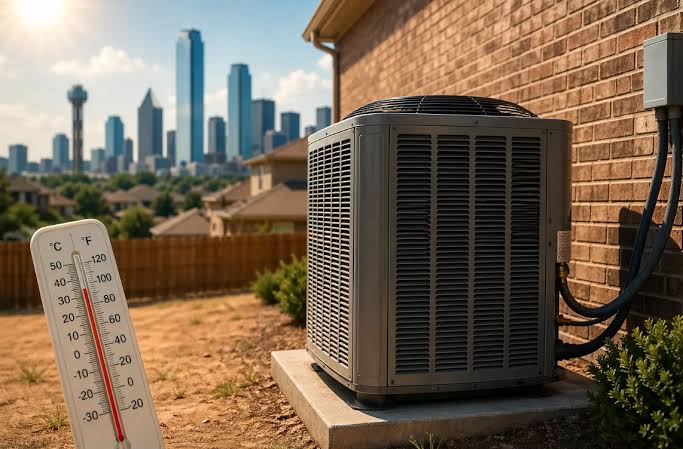
Living in West Texas means dealing with weather conditions that can put serious demands on a home’s heating and cooling equipment. Long stretches of high temperatures, dry air, airborne dust, and dramatic weather changes can all make an HVAC system work harder than homeowners may realize.
While no system lasts forever, thoughtful maintenance and a few practical habits can reduce unnecessary strain, improve comfort, and help homeowners identify developing problems before they become major disruptions.
Why West Texas Is Tough on HVAC Equipment
Air conditioning systems in hot climates often operate for long periods without much of a break. During the hottest part of summer, a system may cycle frequently throughout the day simply to maintain the temperature set on the thermostat.
Heat is only part of the challenge. West Texas is also known for dusty, dry conditions. Airborne particles can accumulate on filters, coils, outdoor equipment, and other components. If airflow becomes restricted, the HVAC system may need to work harder to move conditioned air throughout the house.
Homes with older ductwork can face additional challenges. Small leaks, disconnected sections, poor insulation, or undersized ducts may allow conditioned air to escape before it reaches living spaces. The homeowner may respond by lowering the thermostat, even though the underlying problem is actually related to airflow.
Recognizing these regional challenges makes preventive HVAC care easier to understand. Maintenance isn’t simply about keeping equipment clean; it is about helping the entire heating and cooling system operate effectively under demanding conditions.
Pay Attention to Airflow Before Comfort Declines
Weak airflow is one of those problems homeowners sometimes overlook because an air conditioner can continue running even when air distribution is less than ideal.
Walk through the house occasionally while the system is operating. Compare airflow from vents in different rooms and consider whether certain spaces consistently feel warmer than others.
Possible warning signs include:
- Air barely moving from one or more vents
- Rooms that remain noticeably warmer than the rest of the house
- An HVAC system that seems to run almost constantly
- Excessive dust around vents or registers
- Unusual whistling or rushing-air sounds
- A noticeable increase in cooling costs without a major change in household habits
These symptoms don’t automatically mean expensive equipment has failed. Something as simple as a dirty filter can affect airflow. In other situations, the issue could involve ductwork, coils, blower components, or another part of the system.
The important thing is to investigate persistent changes instead of assuming they are simply a consequence of hot weather.
Make HVAC Maintenance a Seasonal Habit
Preventive maintenance is most effective when it becomes part of normal homeownership rather than something homeowners think about only after the AC stops cooling.
One easy starting point is the air filter. How frequently a filter needs attention depends on the home, filter type, system, pets, occupancy, and environmental conditions. In a particularly dusty region, checking it regularly is especially useful.
Homeowners can also keep the area surrounding outdoor HVAC equipment reasonably clear. Leaves, debris, weeds, and other obstructions shouldn’t be allowed to interfere with airflow around the unit.
Professional maintenance provides an opportunity to examine components that homeowners generally shouldn’t service themselves. A qualified technician can evaluate system operation, electrical components, drainage, coils, refrigerant-related performance, and airflow while looking for signs of wear.
For homeowners seeking additional information about residential heating and cooling services in the Midland area, cainscoolair.com provides context on HVAC repairs, annual tune-ups, ductwork, indoor air quality, and system installation.
The larger lesson is simple: routine attention can reveal small issues while homeowners still have time to address them.
Don’t Ignore the Ductwork
People naturally think about the air conditioner or furnace when discussing HVAC performance, but ductwork is an important part of the system.
Imagine installing an efficient air conditioner and then sending the cooled air through ducts that leak into an extremely hot attic. Even if the equipment itself works properly, the overall system may struggle to deliver the expected comfort.
Duct problems can develop gradually. Connections can loosen, flexible ductwork can become damaged, insulation can deteriorate, and older systems may have been modified multiple times as a house changed over the years.
Uneven temperatures are one reason to investigate the ducts, particularly when one part of a home is consistently uncomfortable. Excessive household dust, unusual airflow, or unexpectedly long system run times may also justify a closer look.
Ductwork shouldn’t automatically be blamed for every comfort problem, however. Proper HVAC troubleshooting means evaluating the system as a whole rather than replacing components based on assumptions.
Know When Repair and Replacement Deserve Comparison
An HVAC problem doesn’t necessarily mean the entire system needs replacing. Many issues can be repaired, particularly when the equipment has otherwise been reliable and properly maintained.
As systems age, however, homeowners may eventually reach a point where comparing repair and replacement becomes worthwhile.
Look Beyond the Immediate Repair Bill
The cheapest option today isn’t always the least expensive option over the next several years. Homeowners should consider factors such as:
- The age and overall condition of the equipment
- How frequently repairs have been needed
- Whether comfort problems persist after previous repairs
- The condition and design of existing ductwork
- Current energy performance
- The expected cost of upcoming repairs
- How long the homeowner expects to remain in the property
A professional assessment should provide enough information to compare reasonable options without creating pressure to make an immediate decision.
If replacement does become appropriate, correct sizing matters. Bigger isn’t automatically better when it comes to heating and cooling equipment. A system should be selected according to the home’s characteristics and comfort requirements rather than simply matching or increasing the capacity of the equipment being removed.
Small Habits Can Reduce Unnecessary HVAC Strain
Not every comfort improvement requires mechanical work.
Keep supply and return vents unobstructed by furniture, rugs, boxes, and other household items. Use window coverings strategically during periods of intense sun. Avoid making extreme thermostat changes in an attempt to cool the house faster, since setting a dramatically lower temperature generally doesn’t make a conventional air conditioner produce cold air more quickly.
Homeowners should also pay attention to changes in how their equipment sounds and behaves. New rattling, grinding, repeated starting and stopping, unusual odors, water around indoor equipment, or a sudden inability to maintain temperature deserves attention.
The goal isn’t to become an HVAC technician. It’s to become familiar enough with the home’s normal operation that abnormal behavior is easier to recognize.
Conclusion: Prepare the System Before the Heat Tests It
West Texas homeowners can’t control extreme temperatures or dusty conditions, but they can control how they care for the systems responsible for keeping their homes comfortable.
Regular filter checks, seasonal maintenance, attention to airflow, sensible thermostat habits, and awareness of ductwork can all contribute to a better-performing HVAC system. Just as importantly, recognizing warning signs early gives homeowners more time to make informed repair decisions instead of waiting for a complete breakdown during the hottest part of the year.
A dependable HVAC strategy is ultimately about preparation. When equipment, airflow, and ductwork are treated as parts of one complete system, homeowners are better positioned to maintain consistent comfort through the demanding West Texas seasons.